
Battle of the Ebro
Culture
El que t'espera
Available activities
Camp d'Aviació de la Sénia
The La Sénia airfield is located in the Plans district, about 2.5 km east of the town. It is reached from the La Sénia-Ulldecona road. During the Civil War (1936-1939) the government of the Second…
Associació Cota 402
Very close to the Poble Vell de Corbera is Cota 402, the command post of the 35th International Republican Division. The site, restored and turned into a museum by the association of the same name…
Búnquer dels Reguers
The Reguers bunker was part of the defensive line of fortifications known as the Riba-roja-Flix-Ascó bridge fortified line, built by the Francoist army on reaching the Ebro, in order to control the…
Camp fortificat de la Fatarella
A site straddling the municipalities of la Fatarella and Ascó, with properly signposted machine-gun nests and trenches. It covered the Republican forces in the last days of the Battle of the Ebro.…
Campament del XVè CE
This site was the command post of Lieutenant Colonel Tagüeña, from where he designed and organised the withdrawal manoeuvre of the Republican troops at the end of the battle. A successfully executed…
 All year round
Poble Vell de Corbera d'Ebre
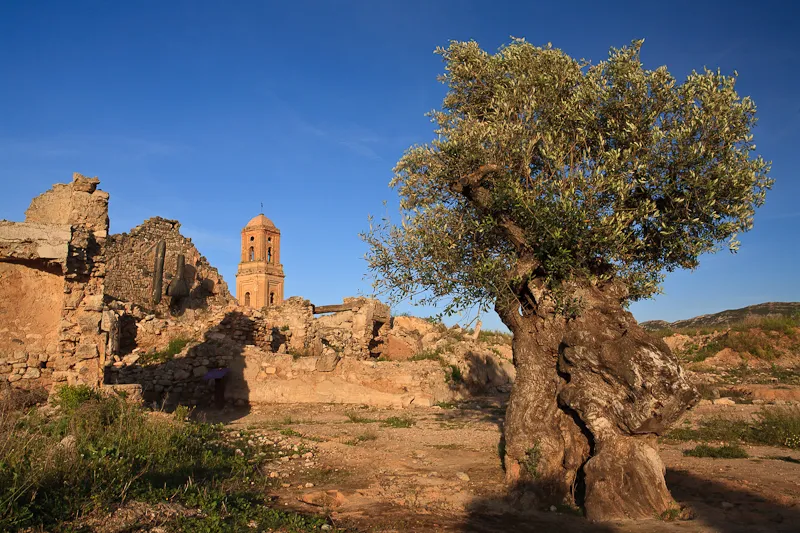
On the Tossal de la Muntera all that remains are the increasingly decayed ruins of the old village, among which the old church of Sant Pere stands out powerfully, a large Baroque building from the…
 All year round
Castell de Miravet
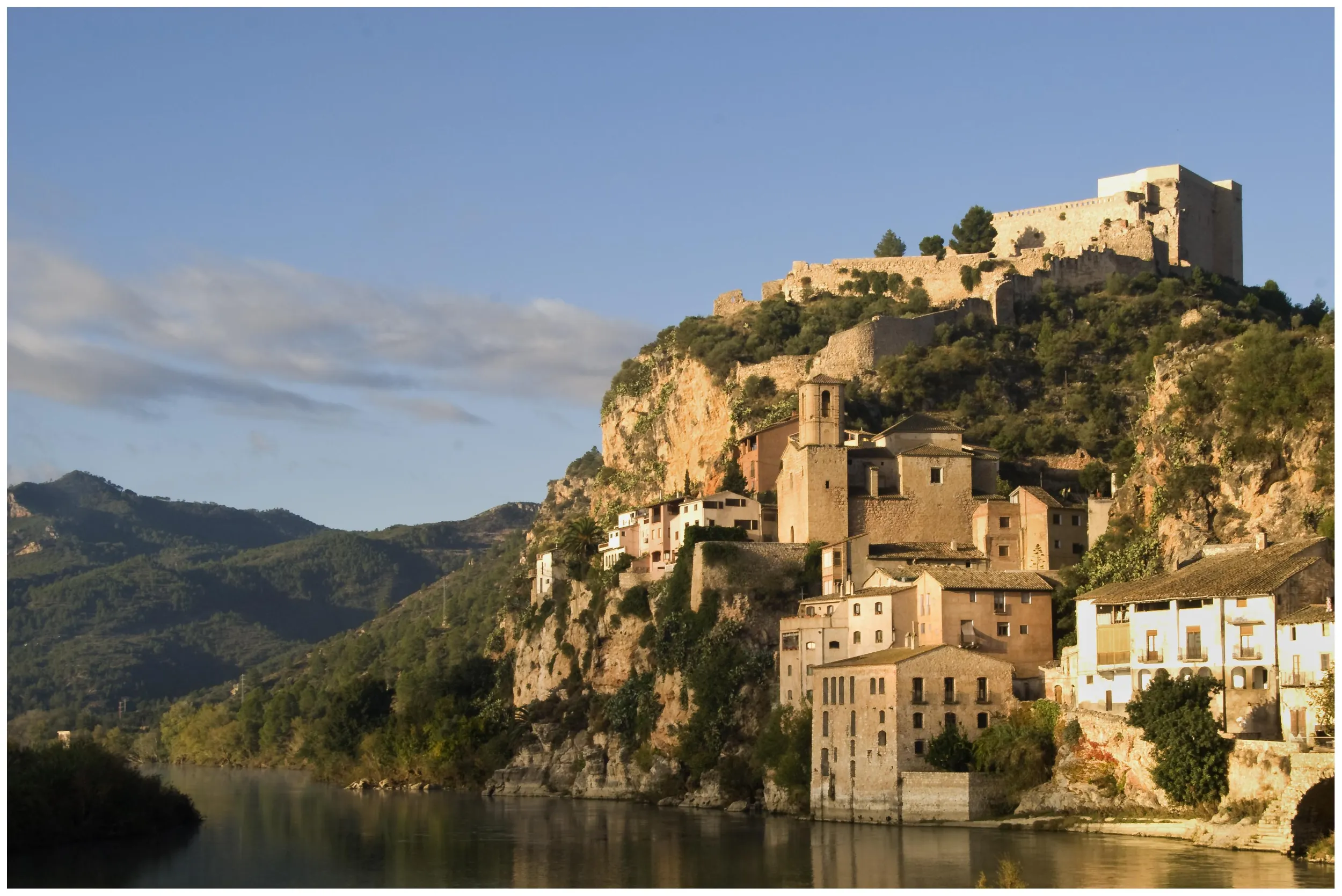
At the top of Miravet's old town stands this impressive fortress of Arab origin. Built by the Muslims in the 9th century, the castle was one of the last Islamic strongholds in Catalonia.
 All year round
Castell de Móra d'Ebre
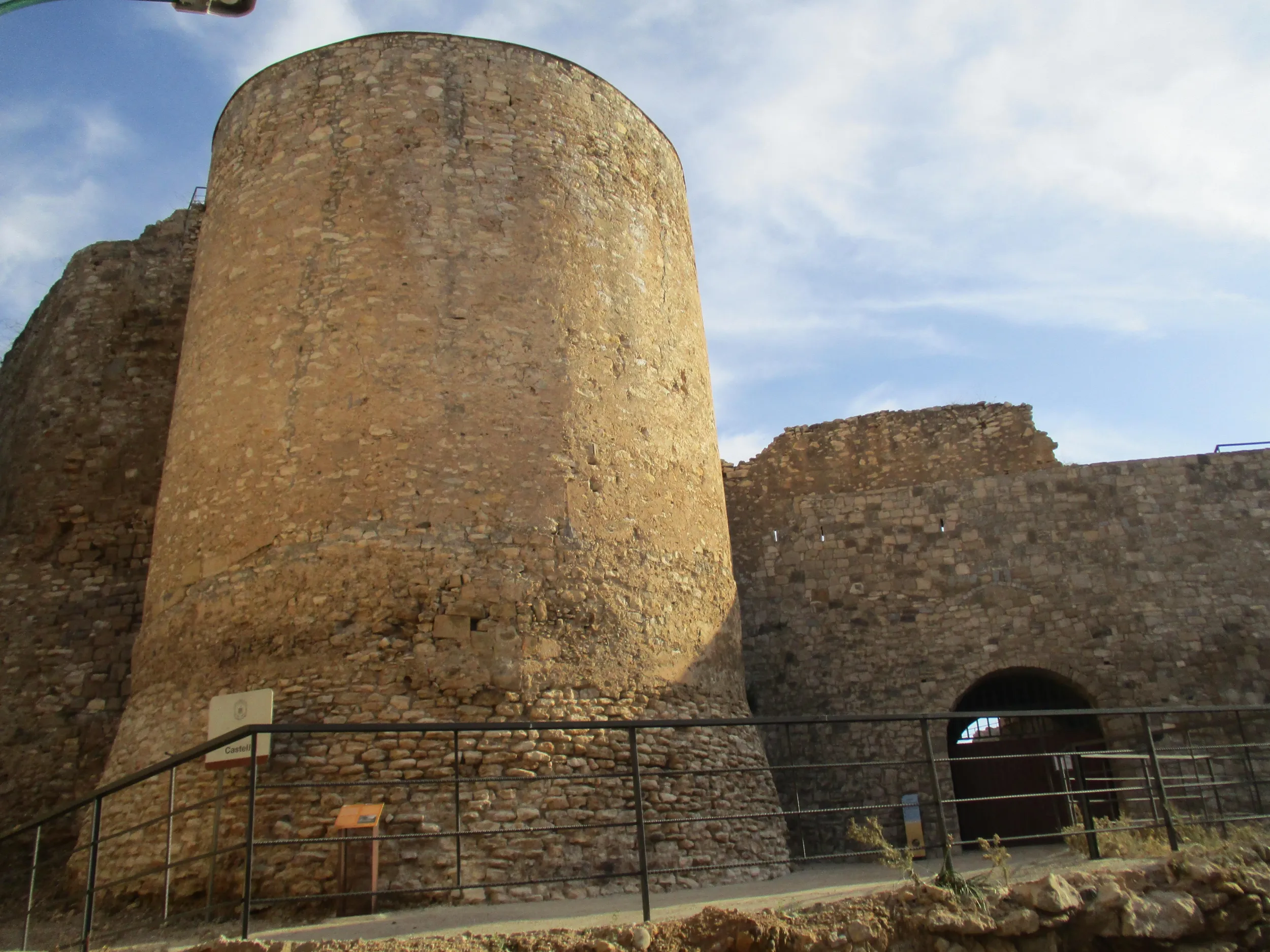
The castle of Móra d'Ebre (Ribera d'Ebre) stands in the upper part of the town, with an impressive view over the Ebro and its river plain. It was built under Muslim rule and conquered by Ramon…
 All year round
Centre d'Interpretació 115 Dies
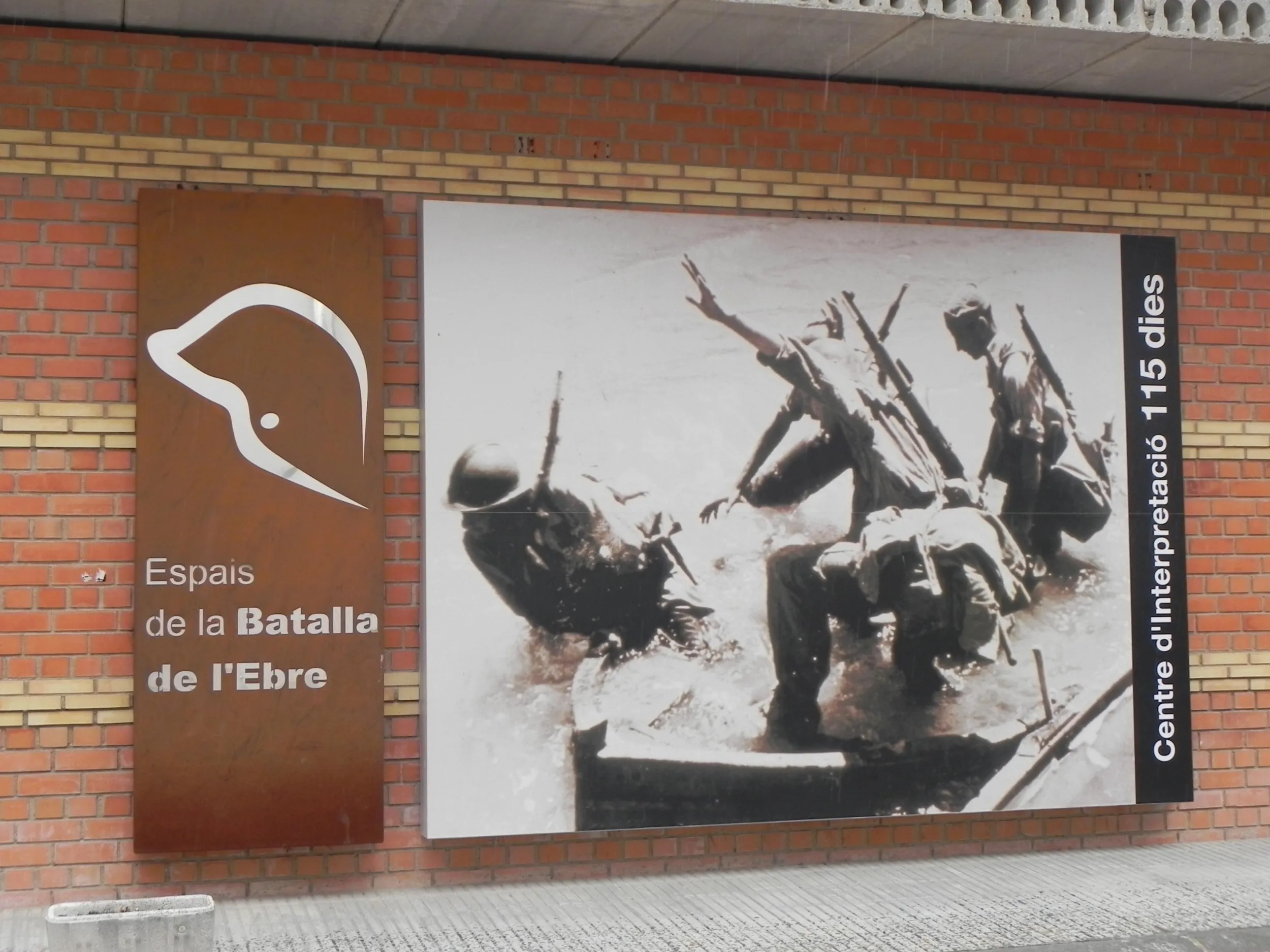
The Centre d'Interpretació 115 Dies (115 Days Interpretation Centre) shows how the Battle of the Ebro unfolded and gives visitors a complete picture of the military and political conflict.
 All year round
Centre d'Interpretació Hospitals de Sang
The Battle of the Ebro was one of the most important episodes of the Civil War, in which medical care played a very prominent role. The Centre d'Interpretació Hospitals de Sang (Field Hospitals…
 All year round
Centre d'Interpretació Internacional a l'Ebre
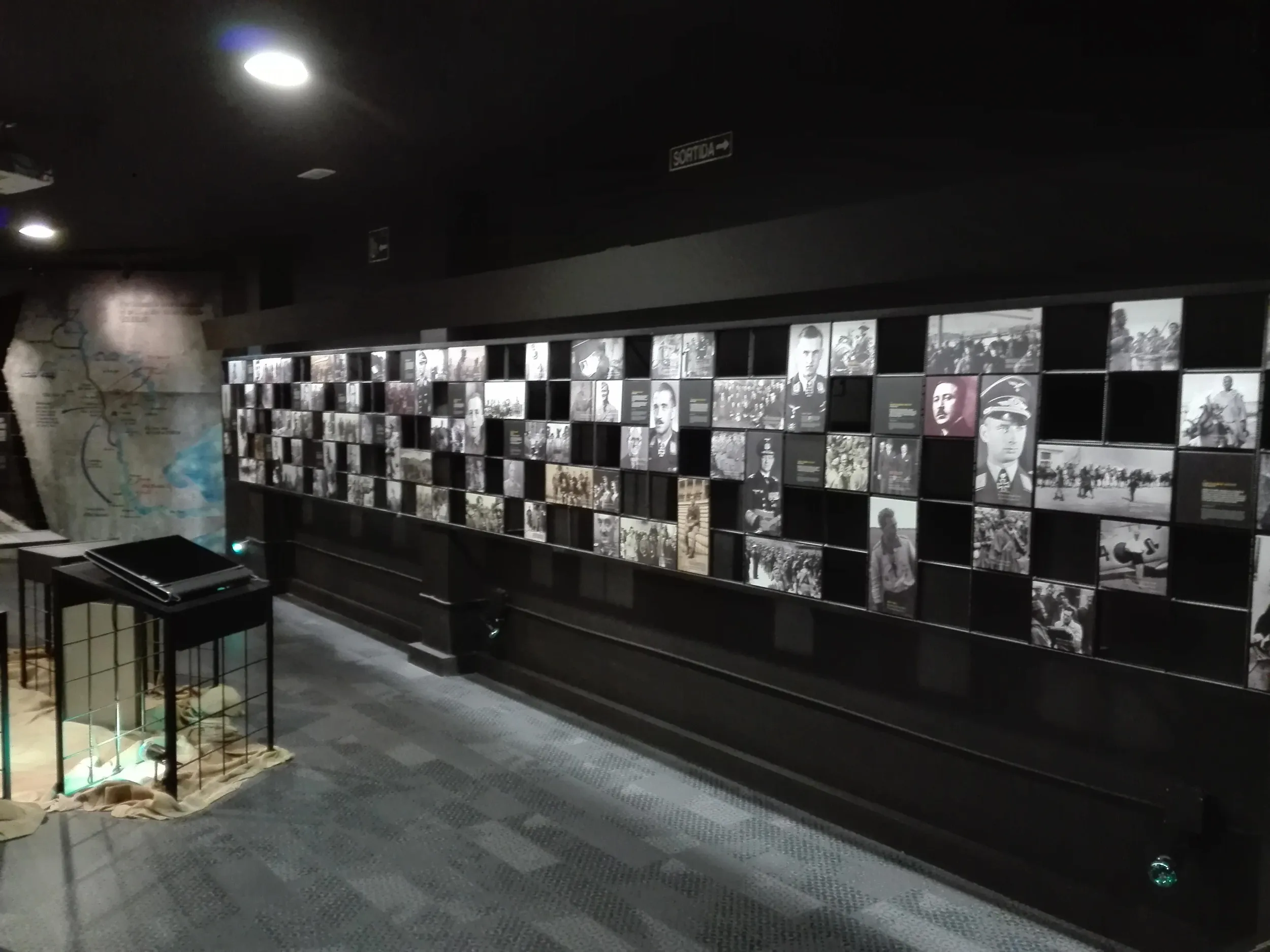
The Centre d'Interpretació Internacional a l'Ebre (International Interpretation Centre on the Ebro), in la Fatarella, aims to convey the importance of international participation in the course of the…
 All year round
Centre d'Interpretació Veus al Front
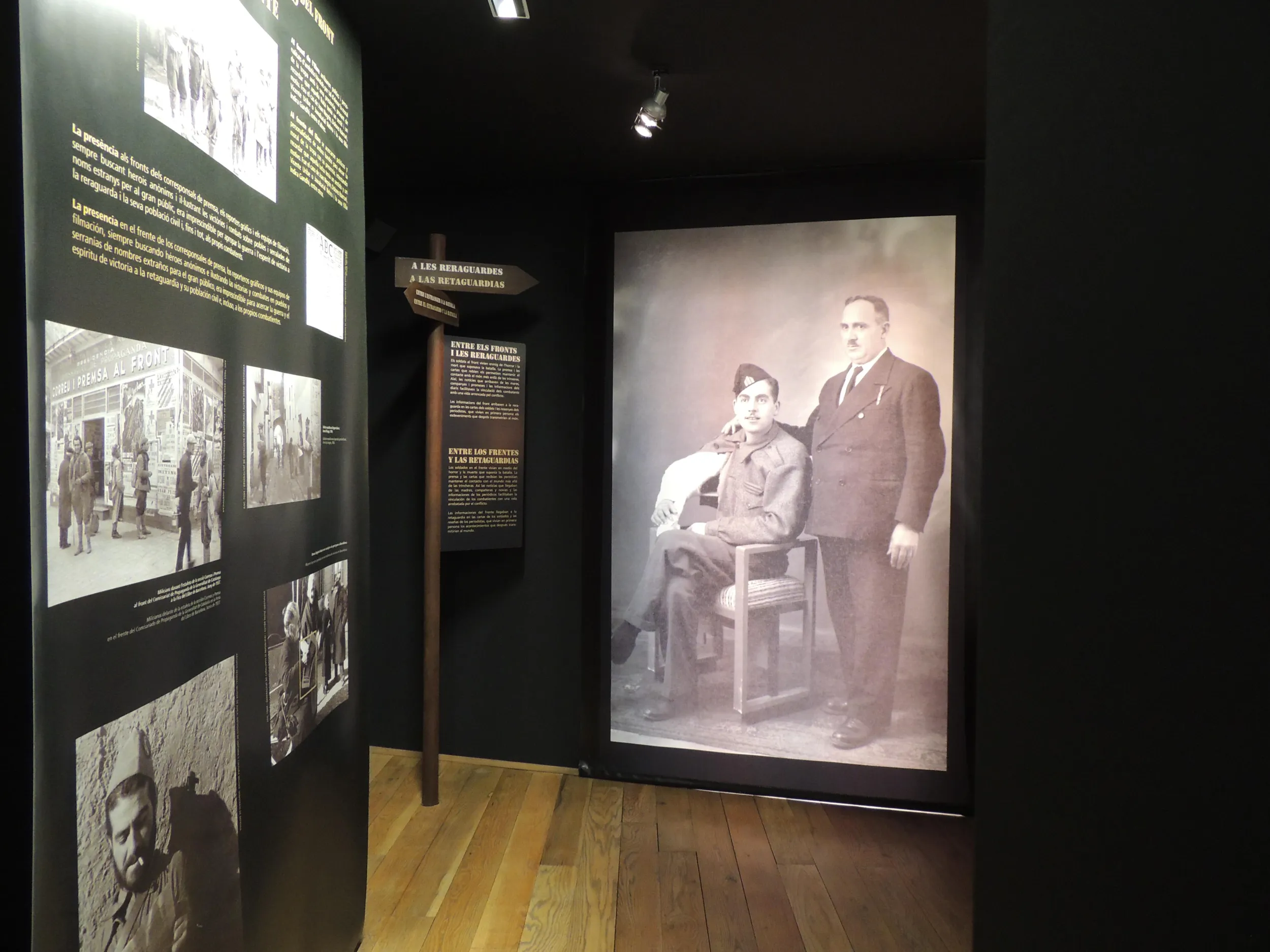
The Centre d'Interpretació Veus al Front (Voices from the Front Interpretation Centre) is in el Pinell de Brai and is one of the stops on the tourist route through the main settings of the Battle of…
Coll de Moro
The Coll del Moro is a 483-metre mountain in the municipality of Gandesa, in the Terra Alta. It is the site of the Iberian settlement of the same name, where during the Spanish Civil War General…
Els Barrancs
The Barrancs area, in the municipality of Vilalba dels Arcs, is one of the Battle of the Ebro sites opened to visitors. It preserves remains of the trench that the Republican forces built in 1938…
Estació de Bot
No train had arrived at Bot station for many years, but now an old locomotive carriage, of the same type as those that served on the old Vall de Safan line, has been installed there and converted…
 All year round
Exposició La Trinxera
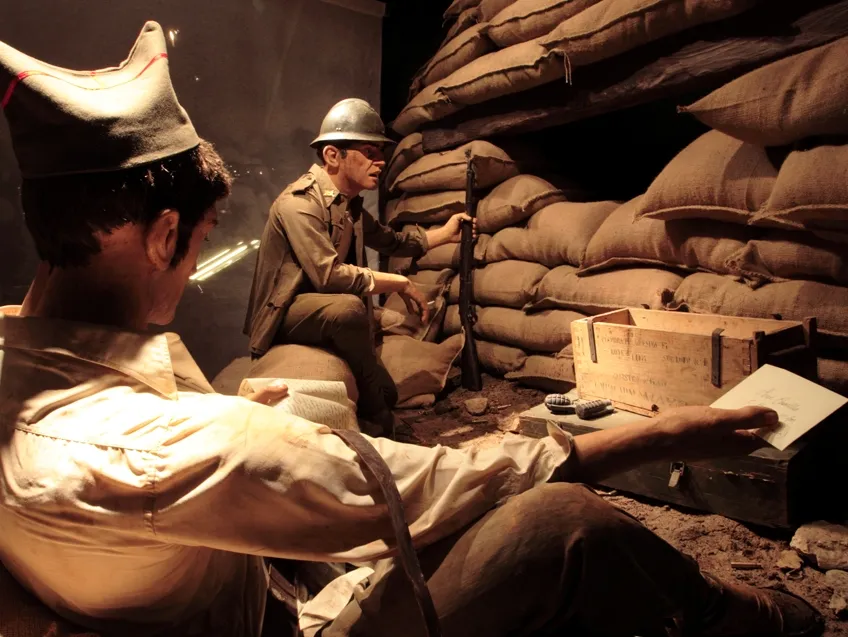
La Trinxera is an initiative of Pere Sanz, a collector and restaurateur who loves history and war archaeology. He has specialised in the Battle of the Ebro (25 July to 14 November 1938) and will…
Flix air-raid shelter
This is an air-raid shelter built in Flix during the Spanish Civil War. It is located on Carrer de Sant Josep, and also has an opening onto Plaça de la Música. It is a work included in the Inventory…
Fort d'en Blario
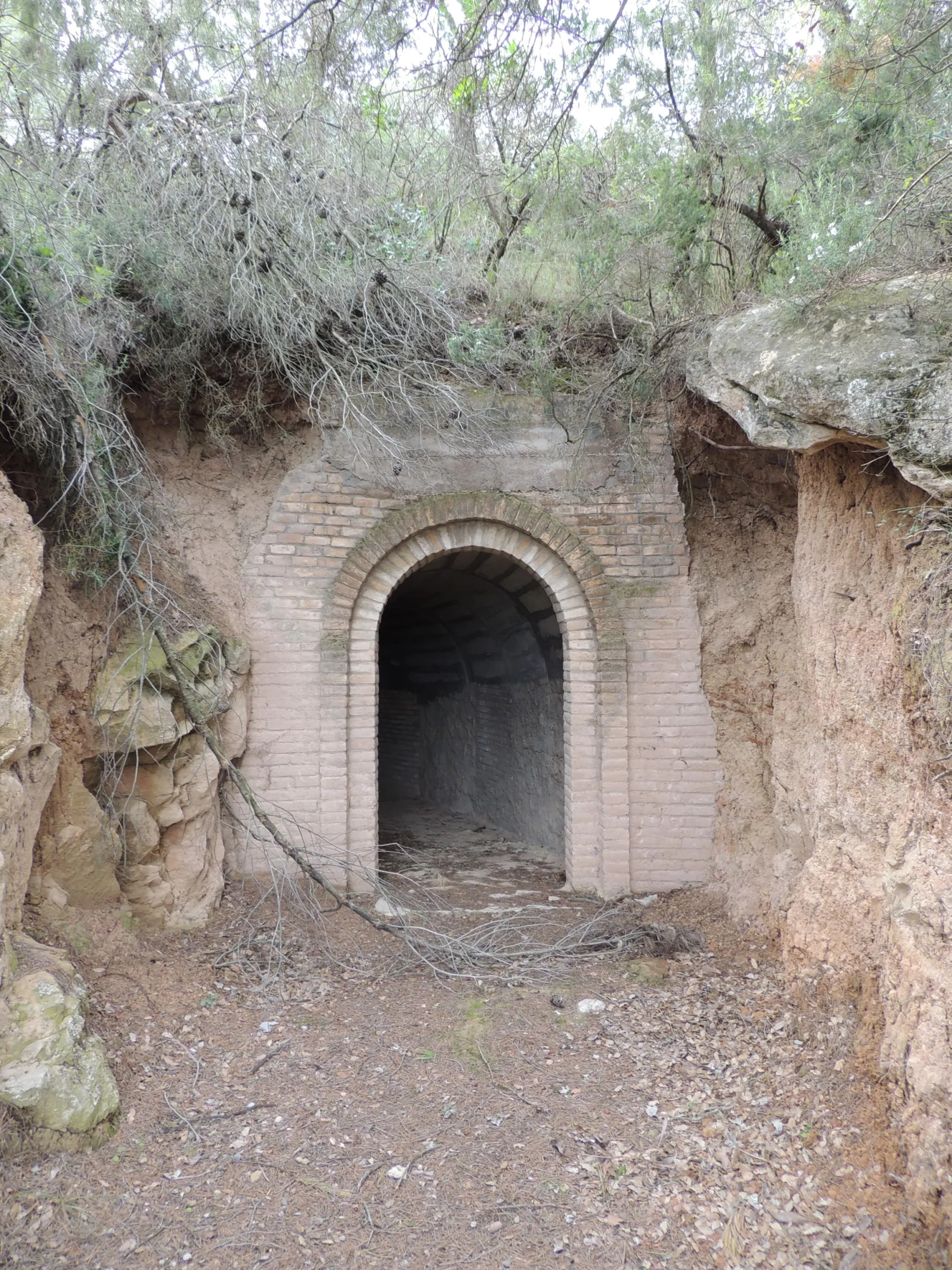
Part of the Algars defensive line, in this case in Batea, it offers, besides its shelters, galleries and trenches, unbeatable views over the Battle of the Ebro sites, making the visit a magnificent…
 All year round
Fort de Milet
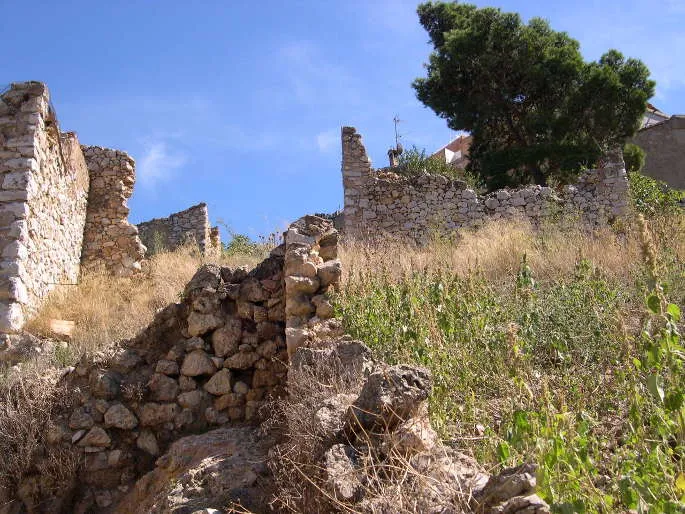
This defensive complex in Caseres, like the trenches of la Pobla de Massaluca, belongs to the Algars defensive line, created by the Generalitat to halt the offensive expected from Aragon. It shows…
 All year round
Les Cases Caigudes
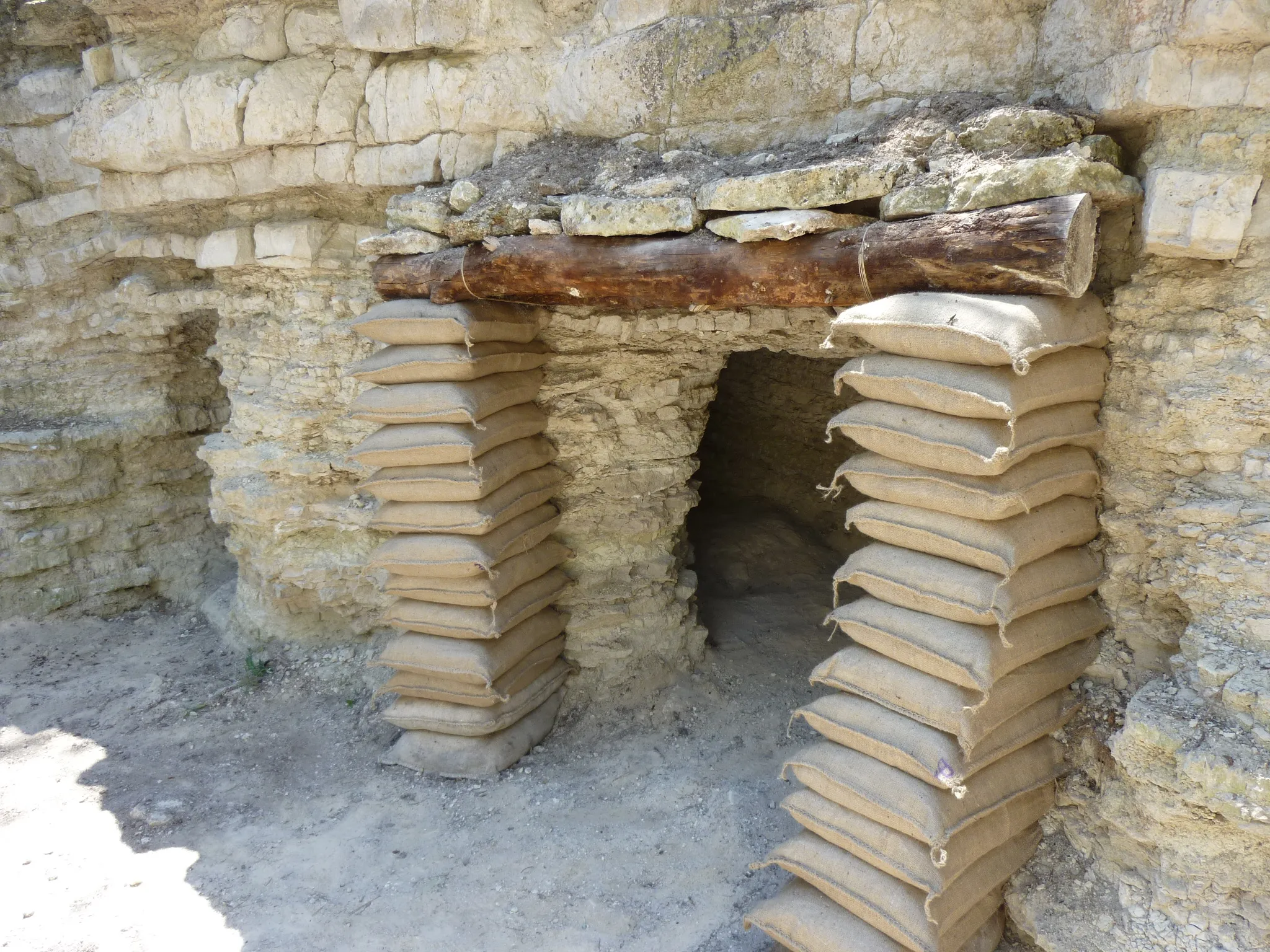
The fallen houses of el Pinell de Brai are a clear reminder of the state the town was left in after four months of fighting and bombing during the Battle of the Ebro.
 All year round
Les Devees
The Devees position forms part of the defensive network protecting the town of la Fatarella. The shelter that still survives was built by the soldiers of the position and used as a sleeping chamber…
Quatre Camins
Again from Gandesa, on the road to Vilalba dels Arcs along the TV-7231, we reach the Quatre Camins crossroads. We see two hills: Quatre Camins, where the Carlist requetés of the Tercio de Montserrat…
Memorial de Camposines
Within the municipality of la Fatarella, in the Camposines district, on the hill where the former Templar chapel of Sant Bartomeu stands, a Monument-Ossuary has been built to fulfil two well-defined…
Mirador del Bassot
The Mirador del Bassot, in Vilalba dels Arcs, is one of the signposted sites of the Battle of the Ebro where you can learn the history and visit the places of the constant advances, retreats and…
Monument a la Pau - Cota 705 Serra de Pàndols
The Battle of the Ebro began on 25 July 1938 and for the next 115 days marked the history of our country. Since 1989, the Agrupació de Supervivents de la Lleva del Biberó-41 (Association of Survivors…
Museu de la Batalla de l'Ebre - Centre d'Estudis de la Batalla de l'Ebre
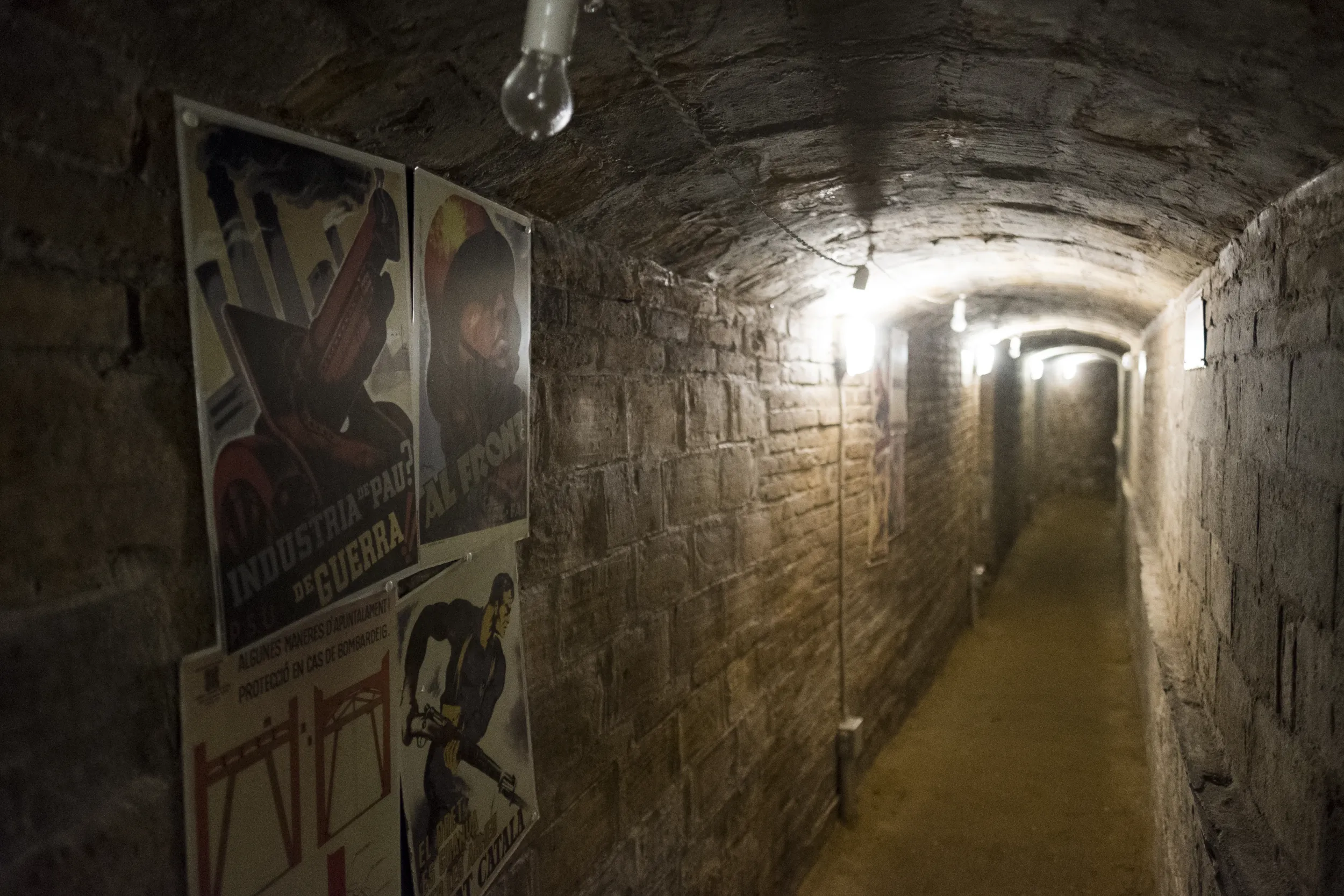
Located in Gandesa, the aim of the Centre d'Estudis de la Batalla de l'Ebre is to promote knowledge of a part of our country's history through a visit to the permanent exhibition, and to protect this…
 All year round
Tortosa air-raid shelter no. 4
It is one of the more than twenty shelters built in Tortosa to protect the civilian population from air raids. Shelter number 4, built under the slope of the Garrofer district, was paid for with…
Refugi de la Font Gran
As a result of the Battle of the Ebro and the constant appearance of enemy aircraft bombing the crossing points near Benissanet, and in some cases the village itself, the Republican municipal and…
Trinxeres de Berrús (Berrús trenches)
The Berrús area, occupied by Republican troops from 25 July itself, was a position conceived with a twofold aim: to defend the Riba-roja d'Ebre bridgehead and to protect the rear of the Pobla de…
Trinxeres de la Punta del Duc (Punta del Duc trenches)
In an area that is privileged in terms of wildlife and landscape, you can discover a whole fortified setting that was part of the defensive line built along the River Algars to protect the territory…