Essential Terres de l'Ebre: wine, river, heritage and nature
Five days to travel through the four comarques among vineyards, greenways, villages with history and landscapes shaped by the Ebro.
- Day 1
- Day 2
- Day 3
- Day 4
- Day 5
Essential Terres de l'Ebre: wine, river, heritage and nature
Morning · Horta de Sant Joan
Stop 1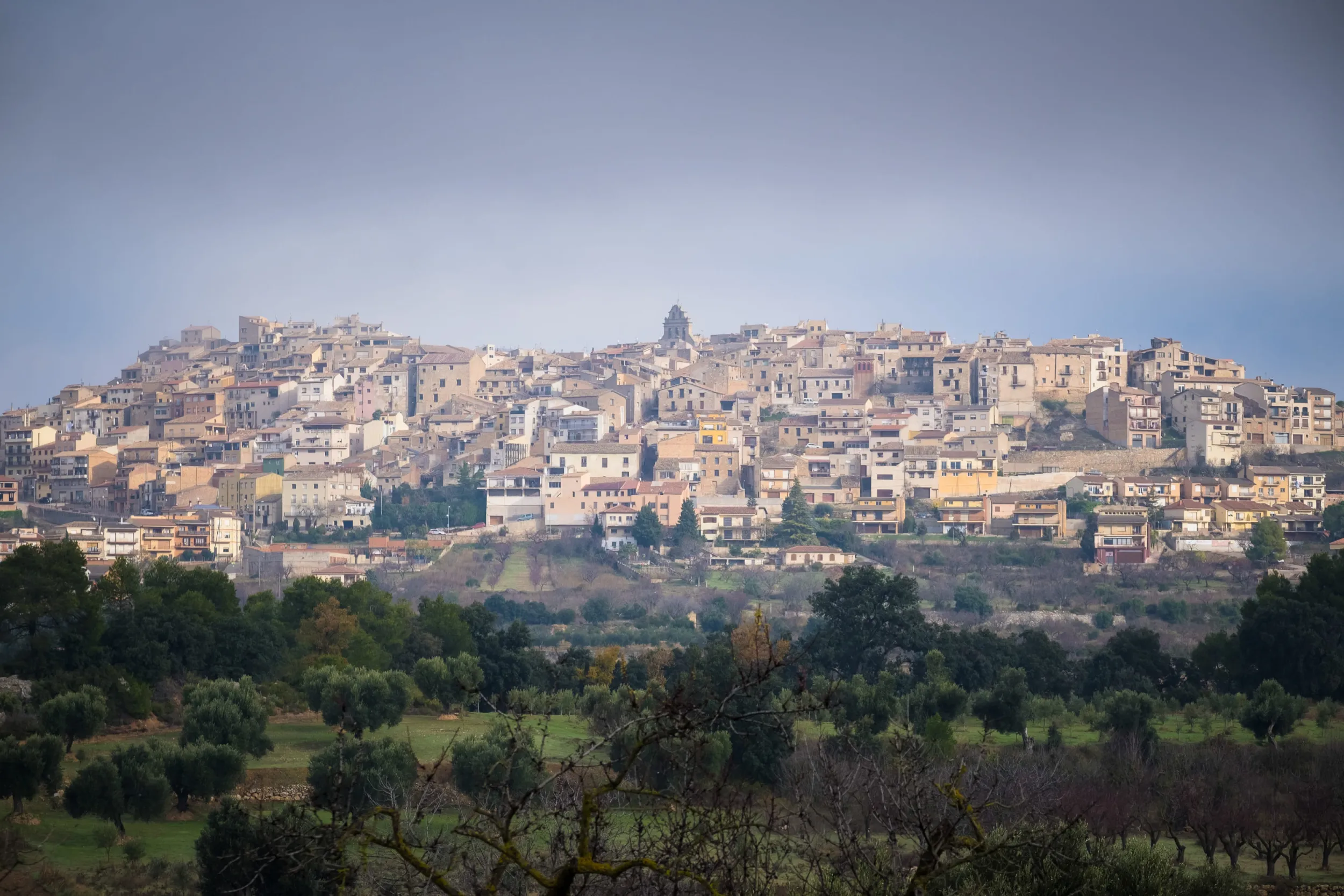
Between art and mountains
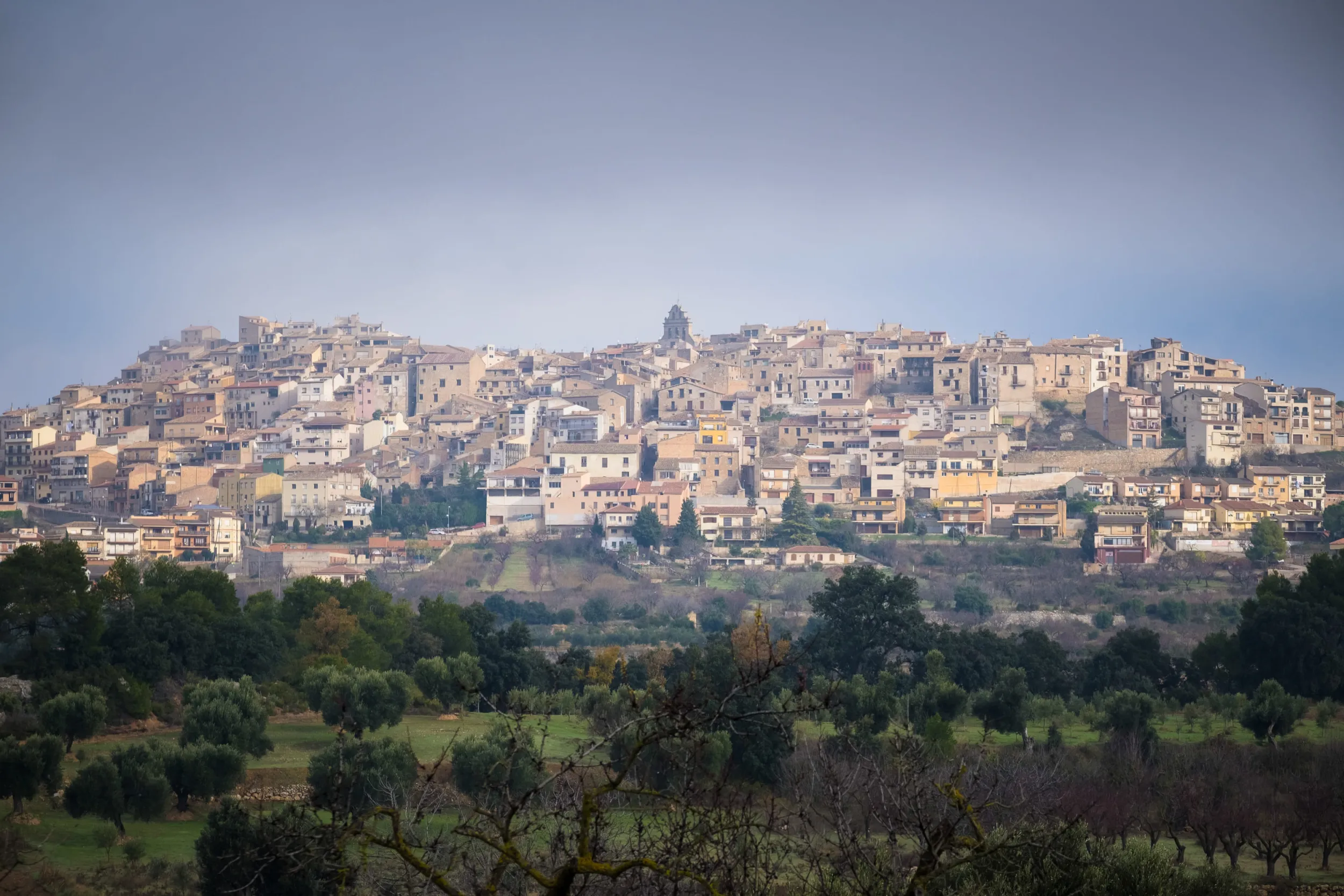
Discover the Centre Picasso and the Convent of Sant Salvador, two places that help you understand Picasso's deep relationship with Horta de Sant Joan and the landscapes that inspired him.
Modernisme among the vineyards
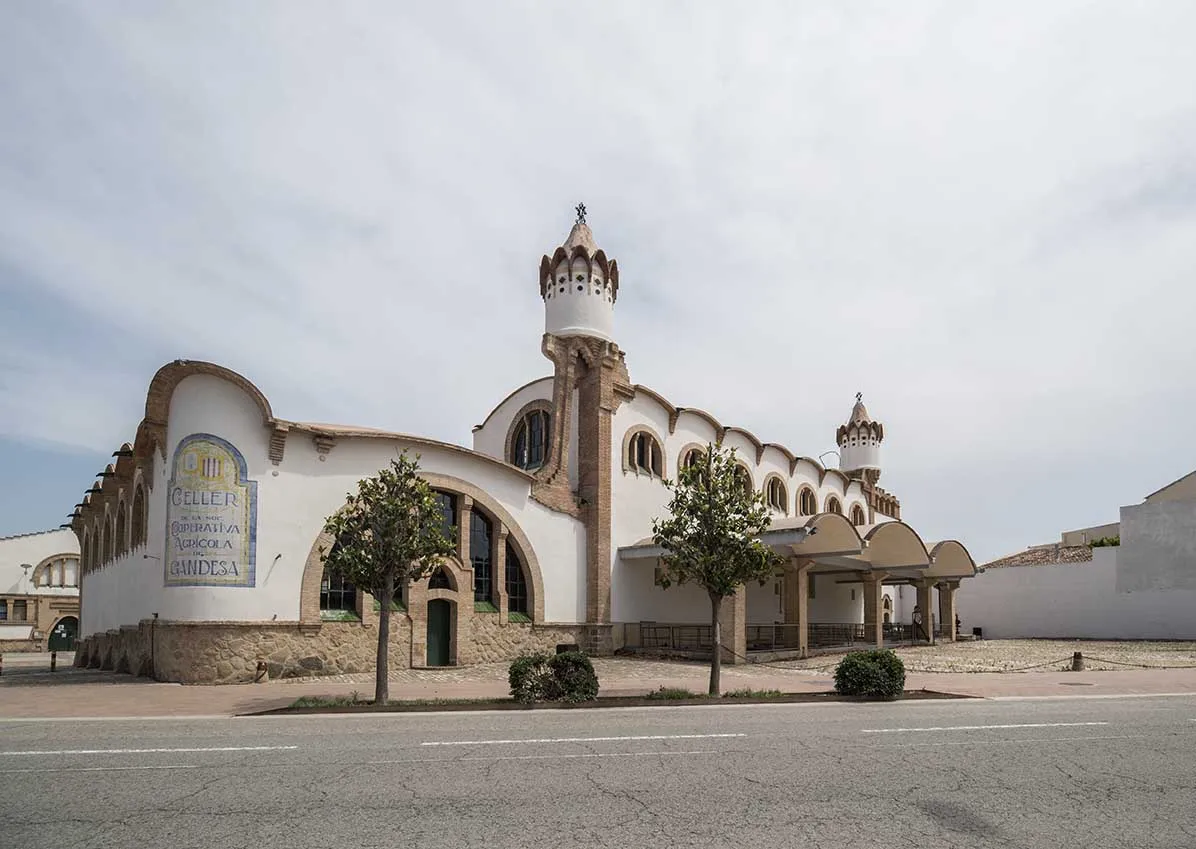
Step inside one of the great works of Modernista architecture in the Terra Alta and discover the winemaking culture of a comarca where garnatxa blanca is the star.
Memory among ruins
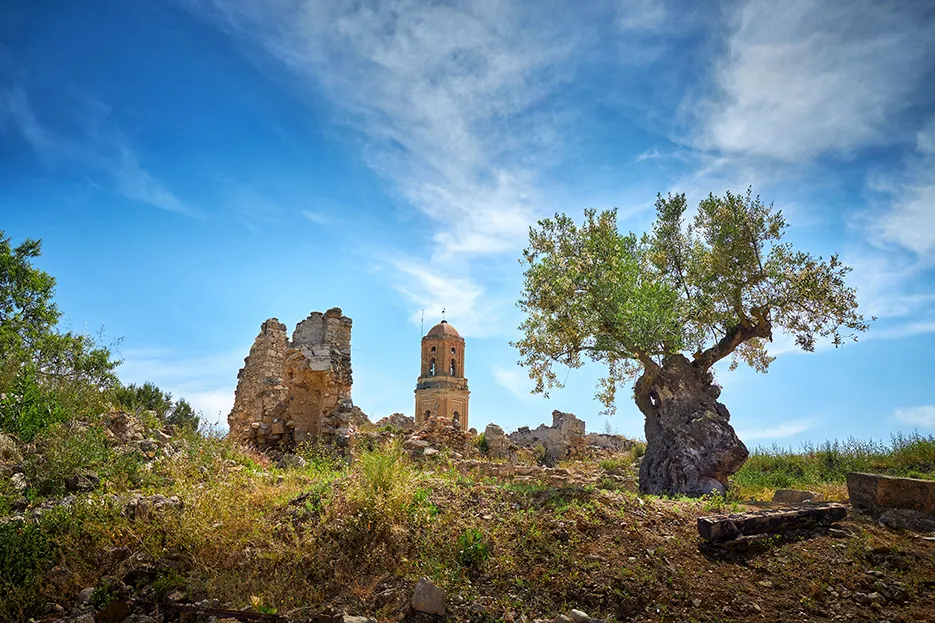
Walk through the remains of the Old Village of Corbera d'Ebre and complete the visit with the 115 Dies Interpretation Centre to understand the mark the Battle of the Ebro left on the territory and its people.
Cycling on the old railway
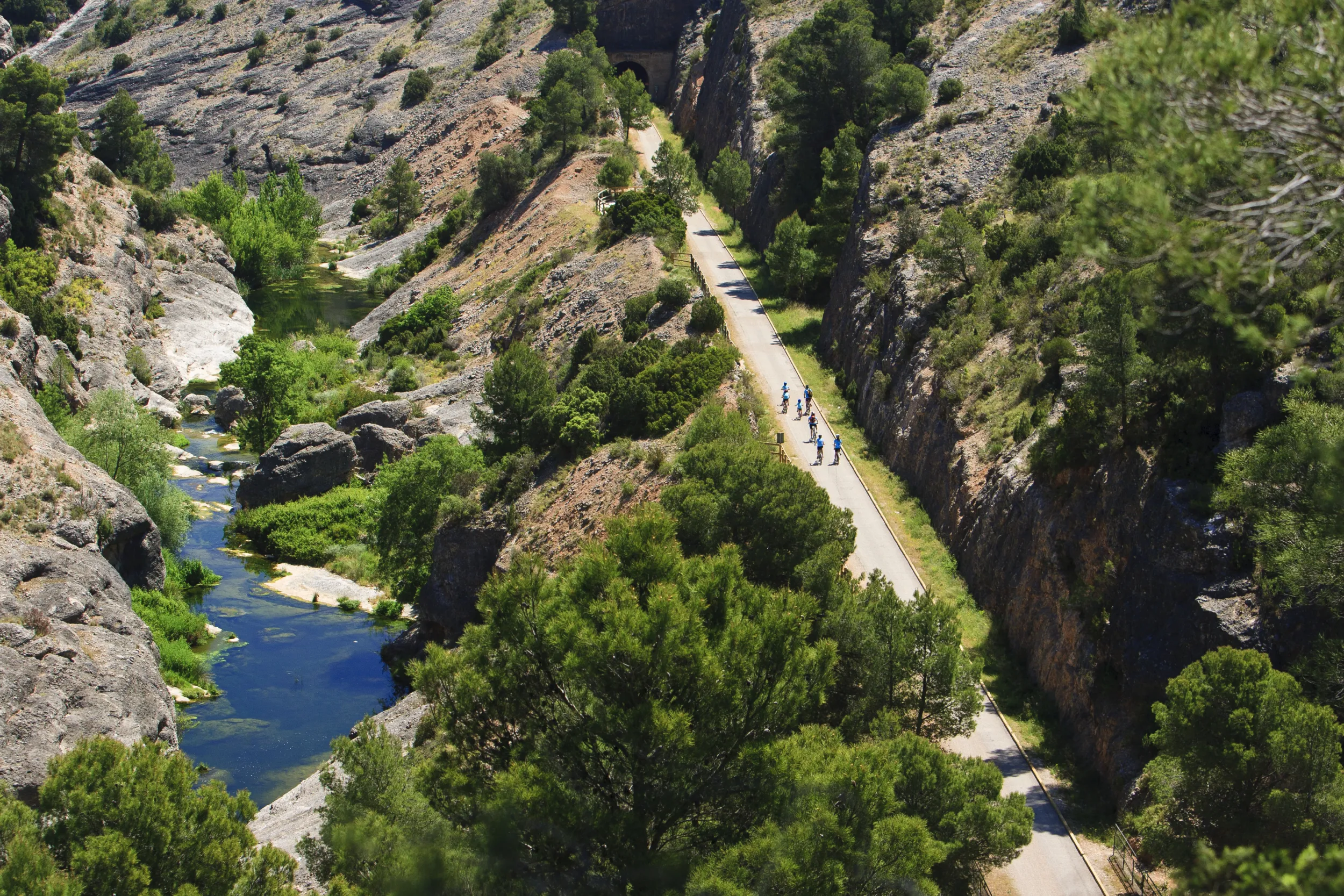
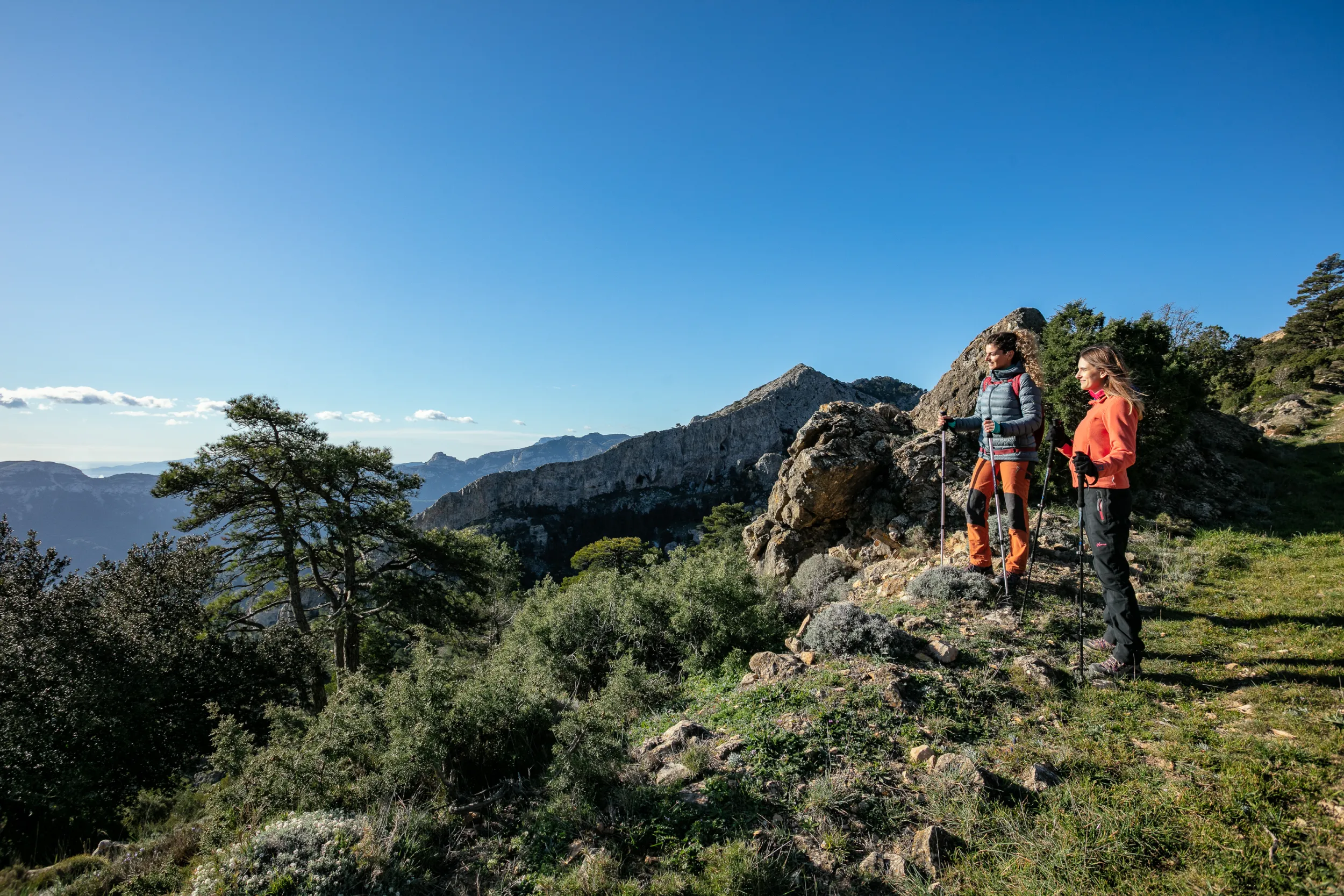
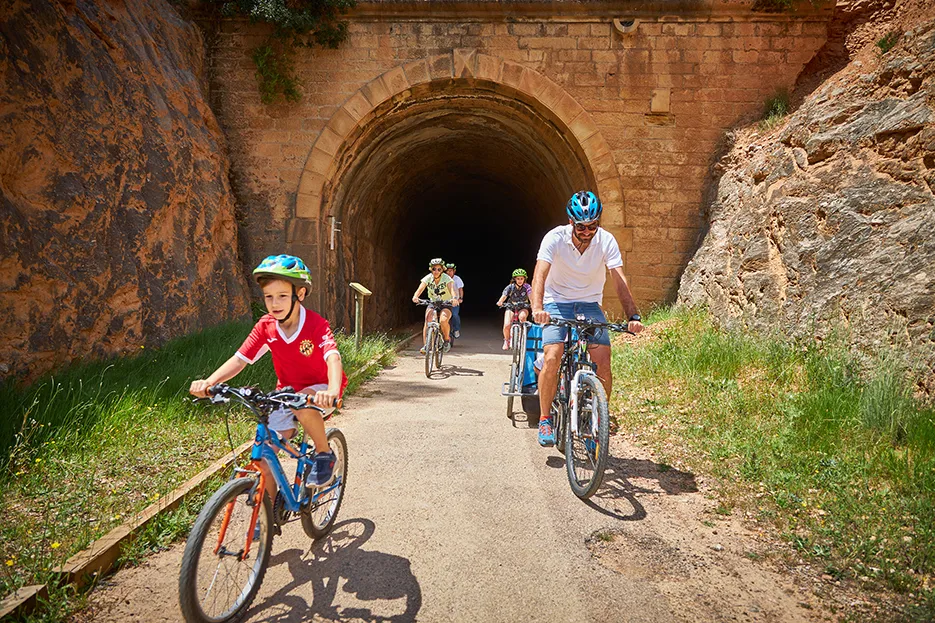
Follow the Greenway from Bot through tunnels, viaducts and mountain scenery to la Fontcalda, where the river Canaletes accompanies one of the most spectacular stretches of the old railway line.
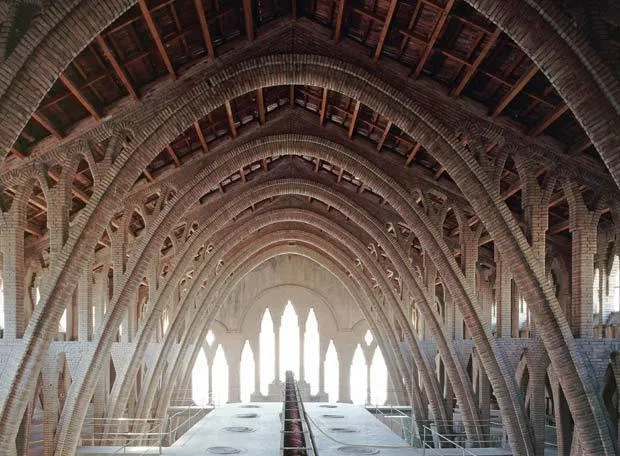
From the Wine Cathedral to the Ebro
Continue to el Pinell de Brai, with a stop at its monumental cooperative winery, and follow the Greenway to the area around Benifallet, where the mountains gradually give way to the Ebro landscape.
If the timetables allow, complete the day with a visit to the Coves Meravelles of Benifallet.
Morning · Miravet and the Pas de Barca
Stop 1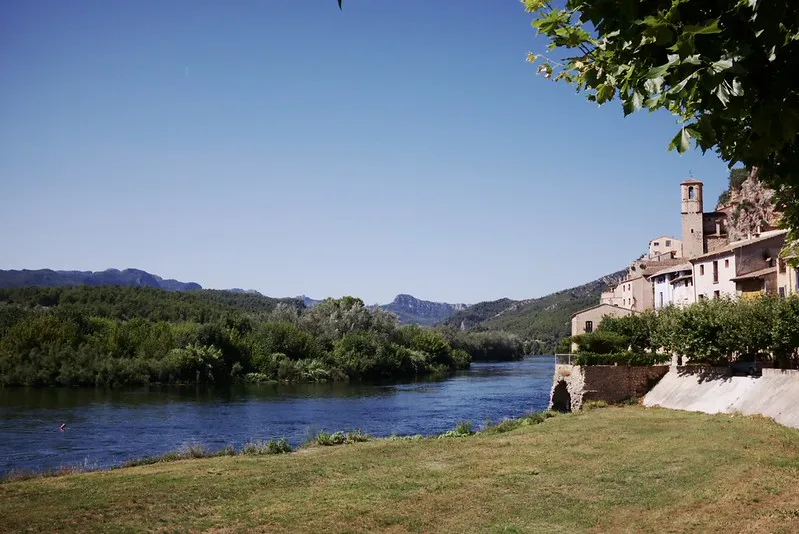
The river at the foot of the fortress
Discover Miravet from its Templar castle and then go down to the Ebro to cross the river on the traditional Pas de Barca, a ferry that works without a motor.
Midday · Móra d'Ebre
Stop 2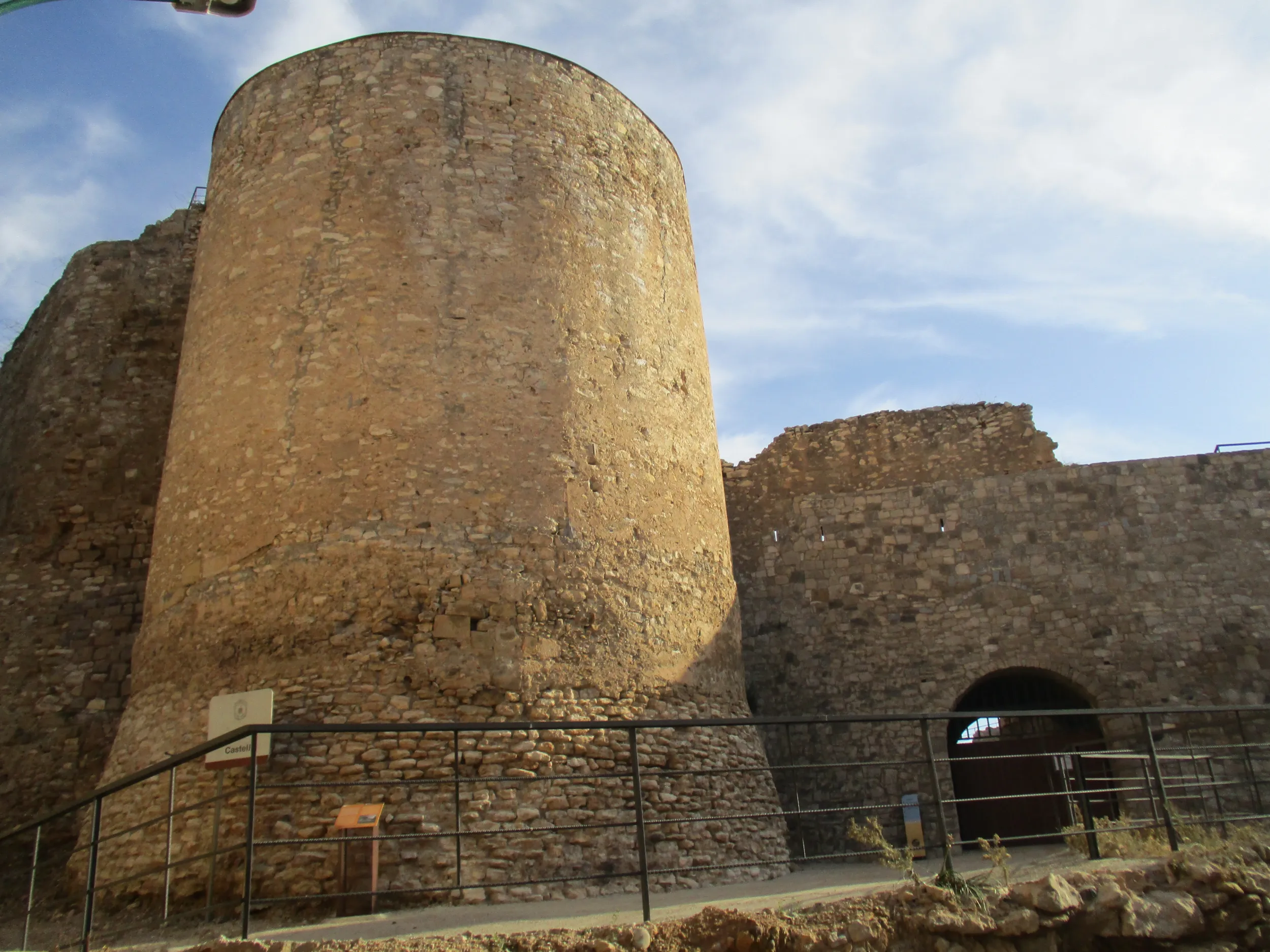
A town open to the Ebro
Stroll through the historic centre of Móra d'Ebre and climb to the Entença castle to look out over the river plain and keep discovering the river's role in the history of the comarca.
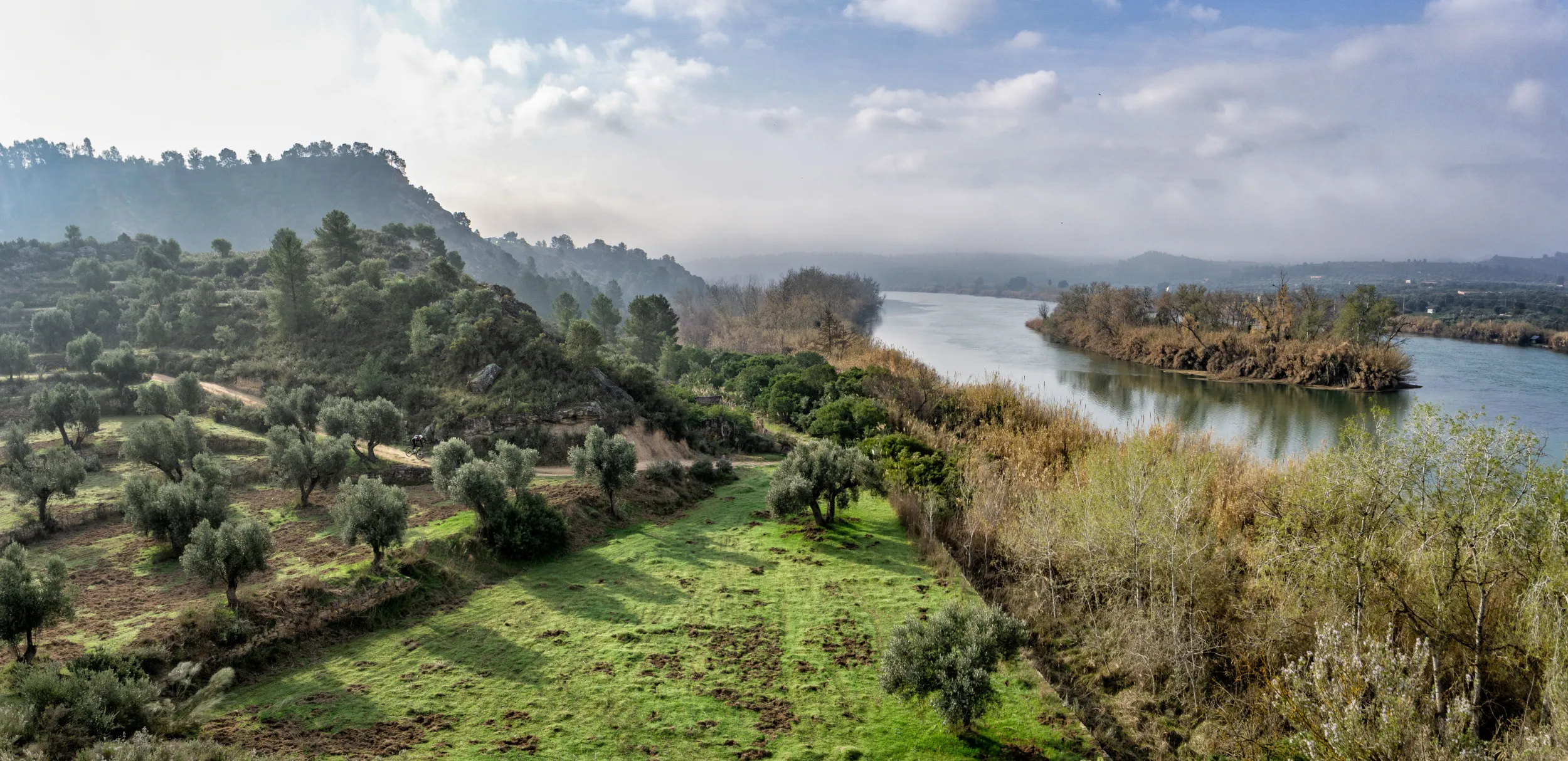
An oasis beside the river
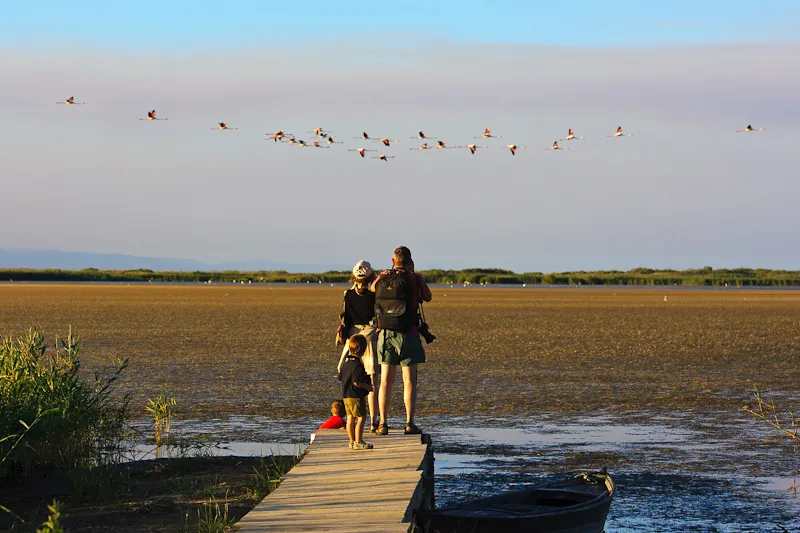
End the day among riverside woods, wetlands and wooden walkways at the Sebes Nature Reserve, where storks and Camargue horses are part of one of the most distinctive natural landscapes of the Ribera d'Ebre.
Alternative: if you prefer to delve into archaeology, visit the Iberian settlement of Castellet de Banyoles, in Tivissa, one of the most important Iberian sites in Catalonia and a former control point over the Ebro.
Morning · Ebro Observatory
Stop 1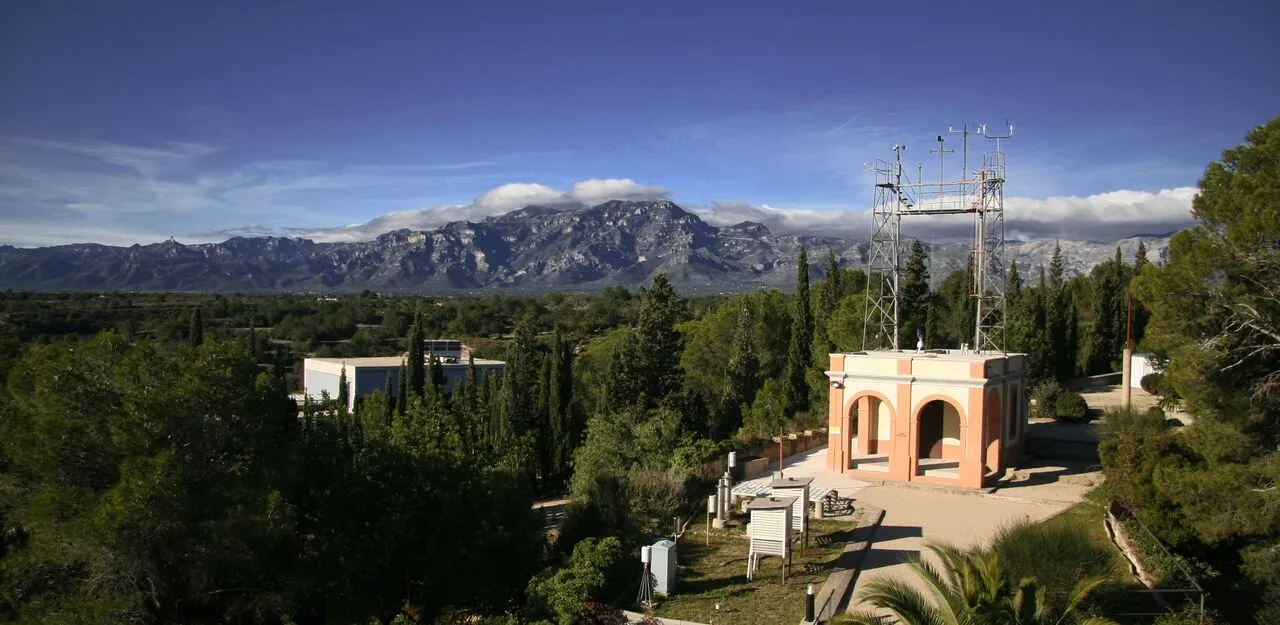
More than a century watching the sky
Discover in Roquetes a research centre founded in 1904 to study meteorology and the relationship between the Sun and the Earth, with more than a century of scientific observations.
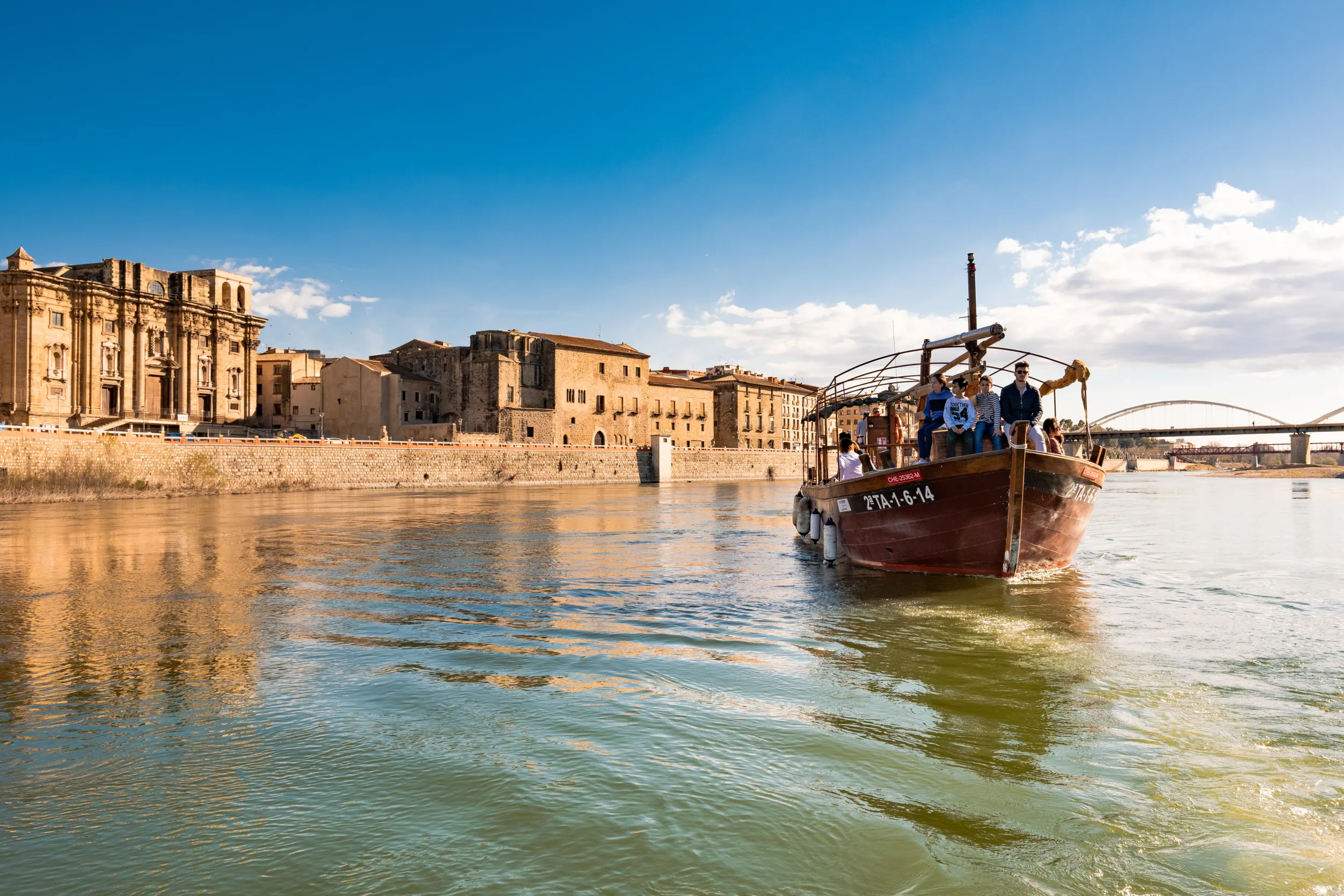
History written in stone
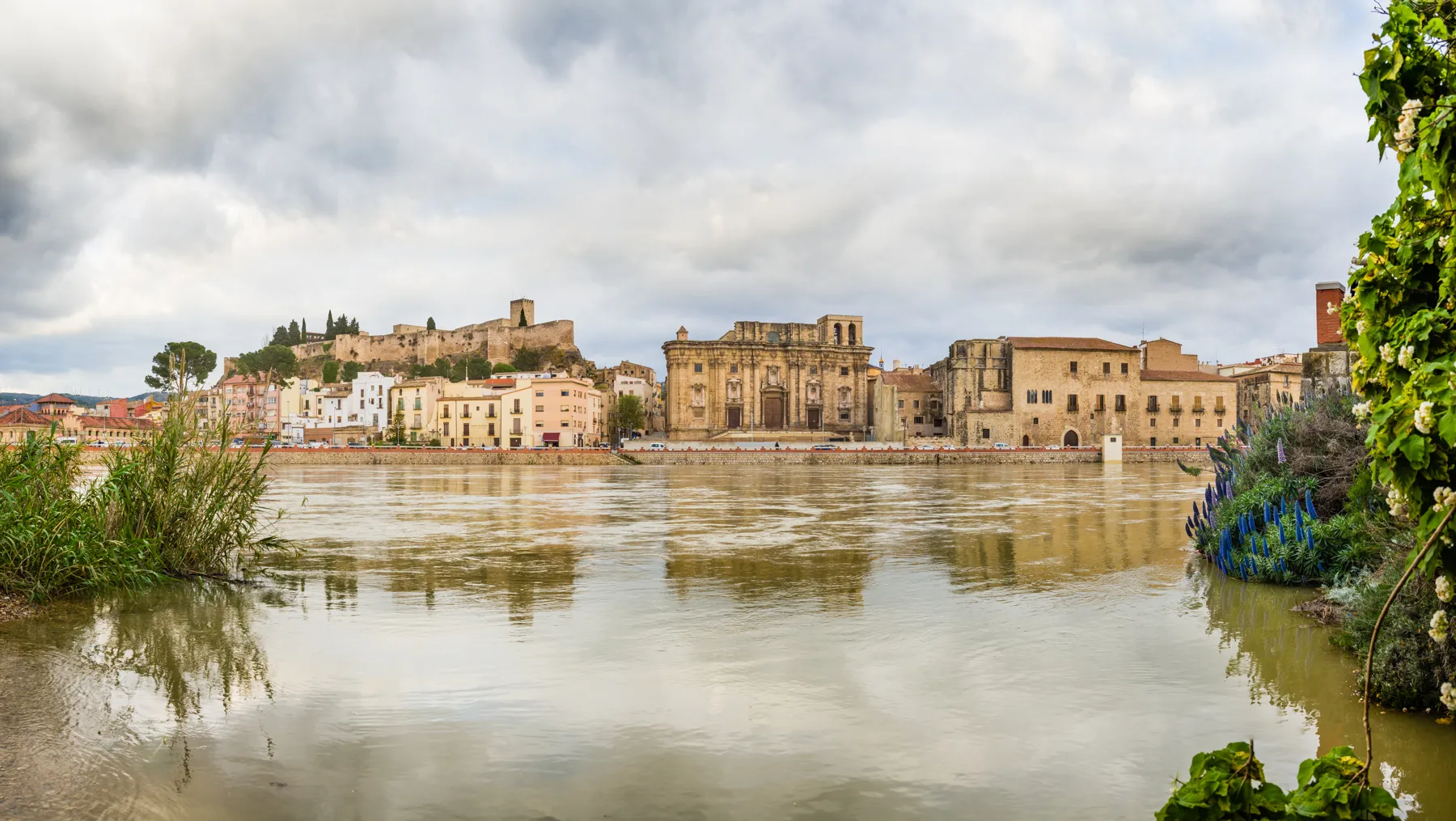
Visit the Castell de la Suda, the Cathedral of Santa Maria and the Jewish Quarter (Call Jueu) before ending the day strolling along the Ebro and discovering Tortosa's riverfront.
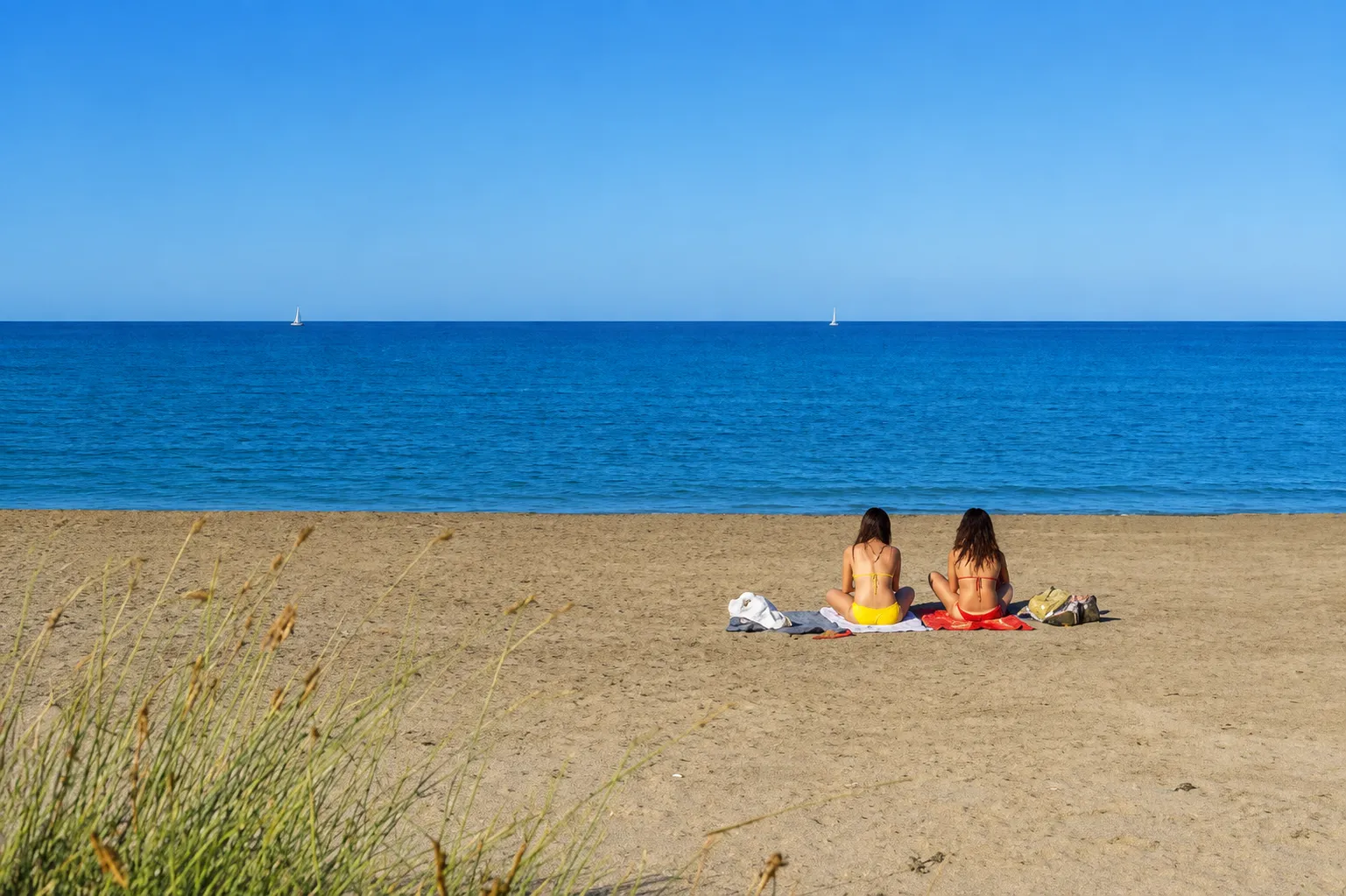
From the coves to the Delta
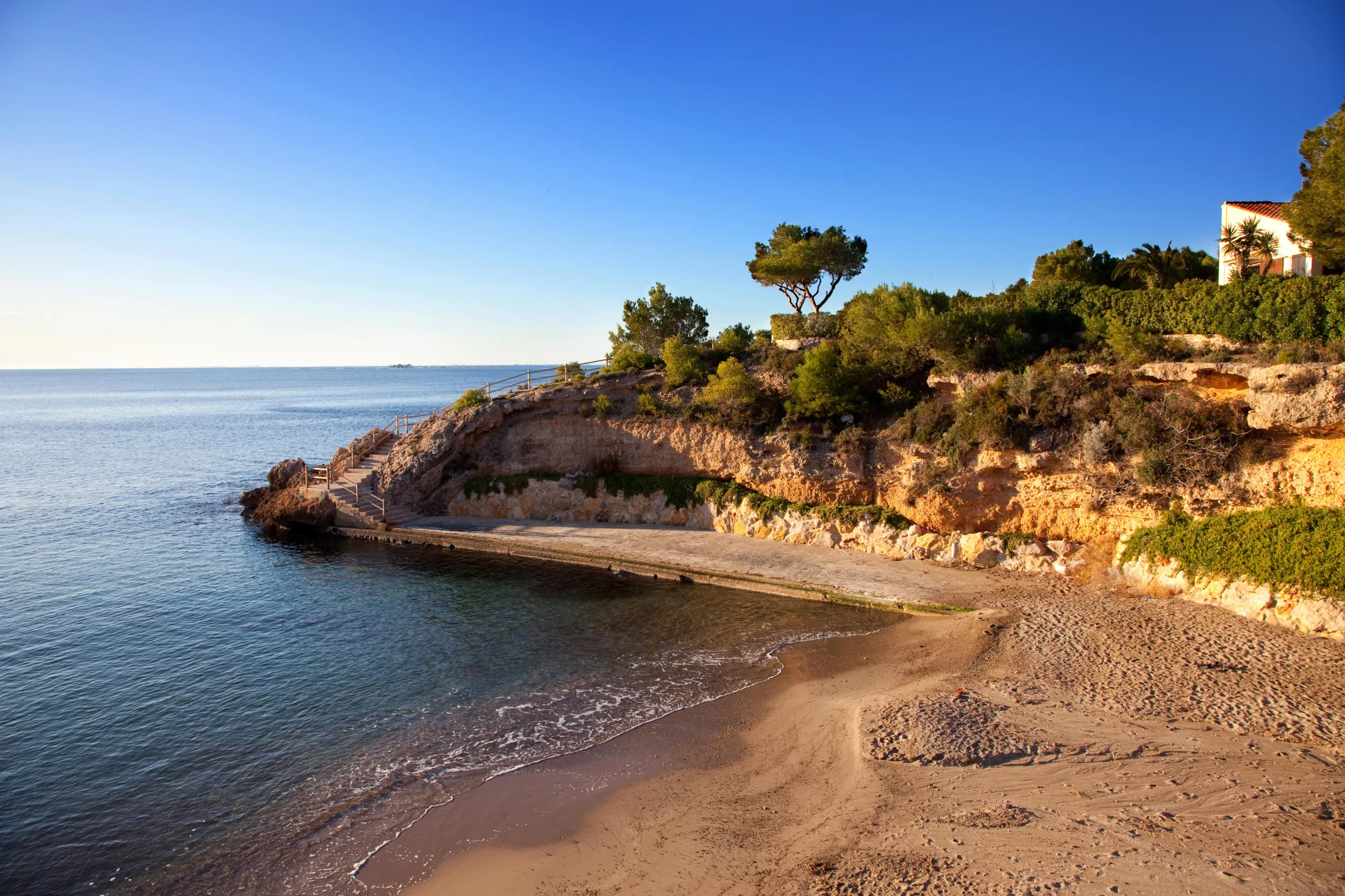
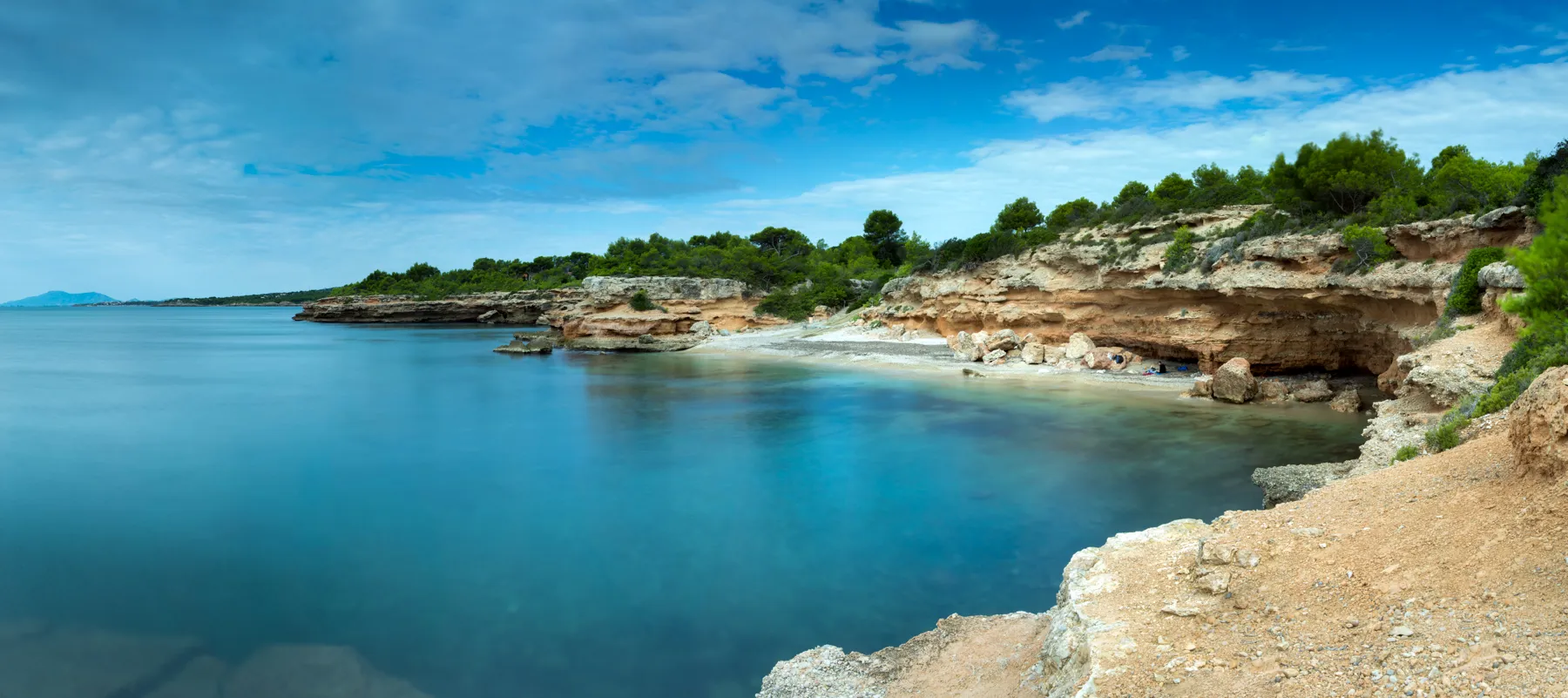
Walk a stretch of the Camí de Ronda (coastal path) between l'Ametlla de Mar and l'Ampolla, among pine woods, rock and clear waters, and finish at l'Arenal beach, where small coves give way to the great landscapes of the Delta.
Midday · Amposta
Stop 2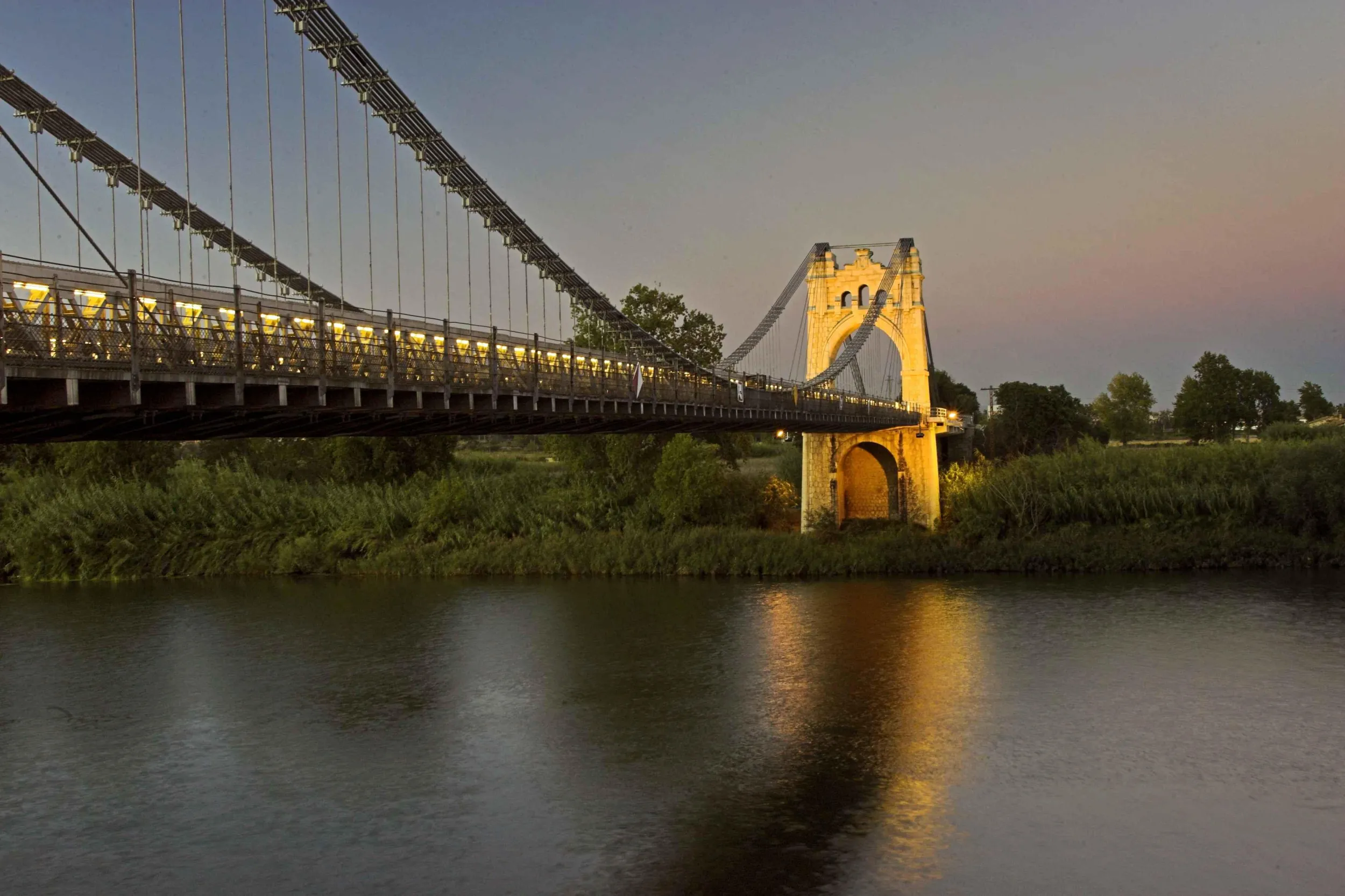
The gateway to the southern Delta
Stop in Amposta to cross the Pont Penjant (Suspension Bridge) and discover, at the Museu de les Terres de l'Ebre, the history, archaeology and landscapes that explain the territory.
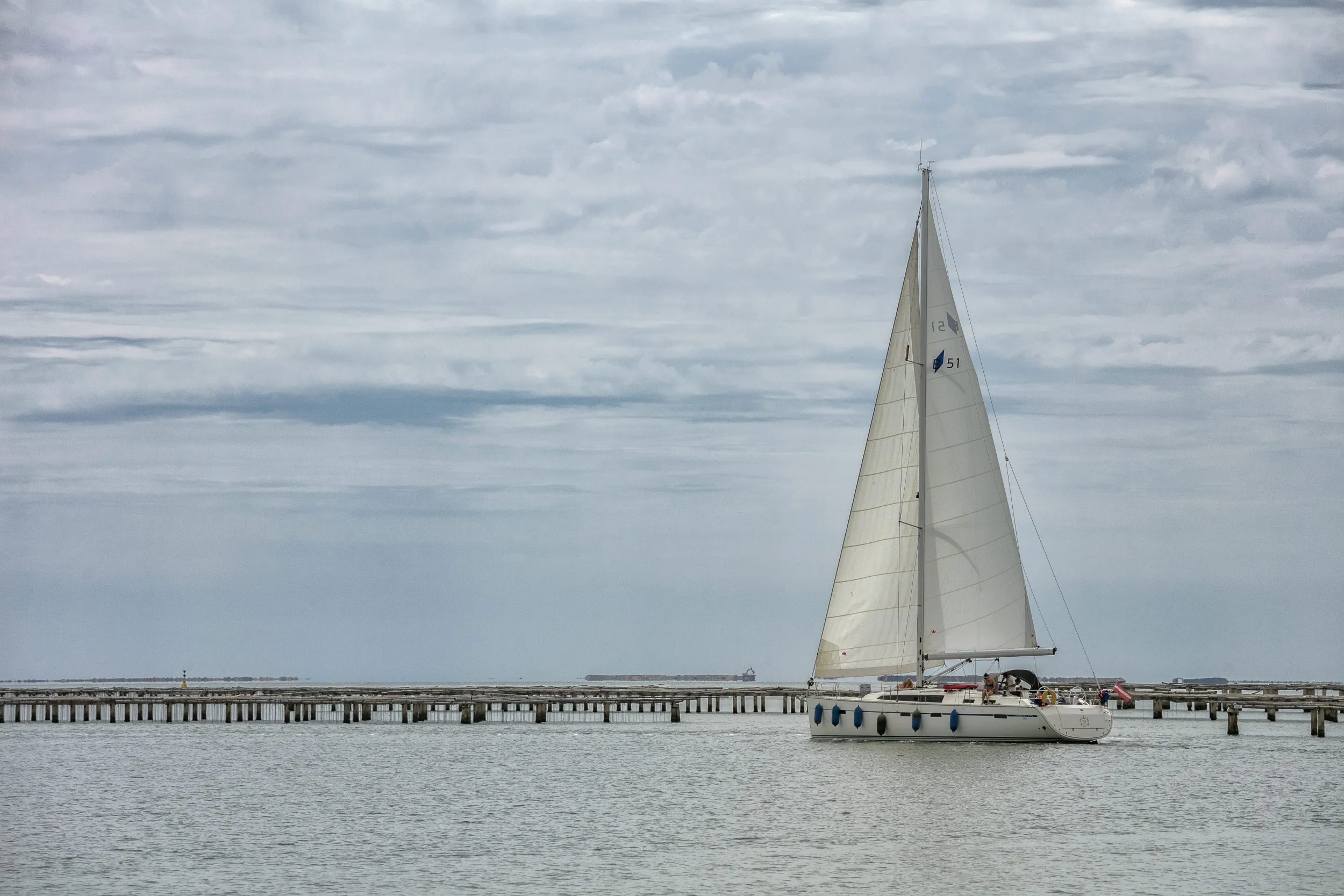
The Delta to the sea
Venture into the southern Delta among the wetlands of l'Encanyissada, the landscapes of MónNatura and the great expanse of the Trabucador, before ending the trip in la Ràpita, facing Alfacs Bay.
The entire route on the map
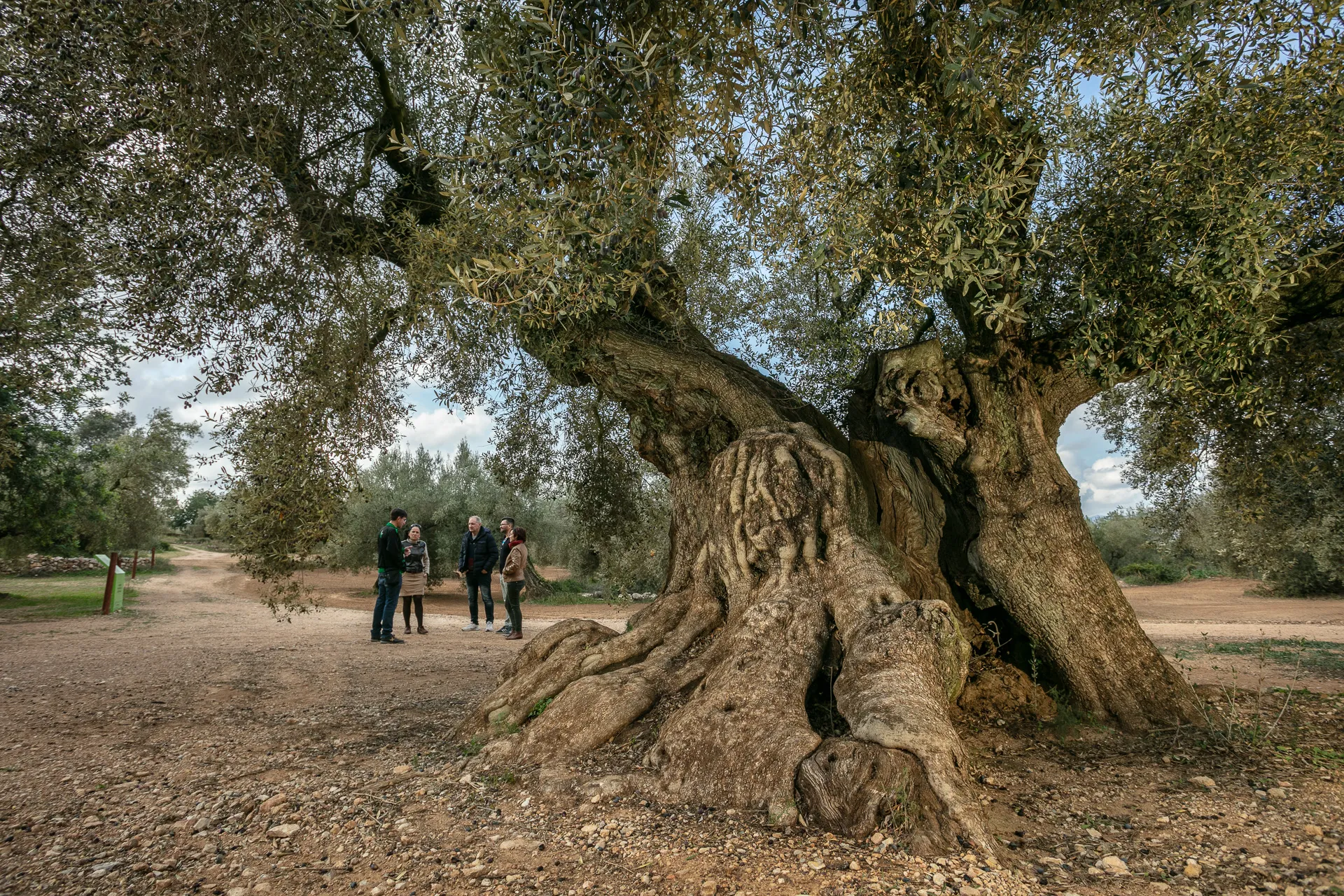
Five days to savour the territory too: DO Terra Alta wines and garnatxa blanca, extra virgin olive oil, produce from the Ebro market gardens, eel, Delta rice, oysters from the Fangar, mussels from Els Alfacs and a cuisine that changes from the mountains to the sea.