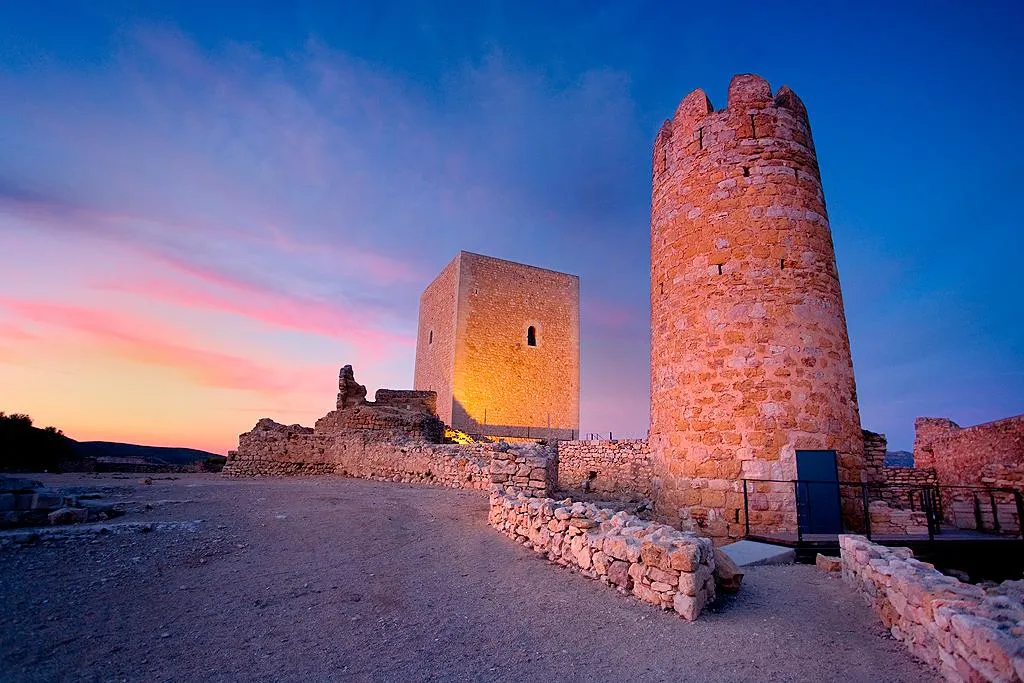
Castell d'Ulldecona
Ulldecona Castle was conquered in 1148 by Ramon Berenguer IV and later granted to the Order of the Hospital, which built its most emblematic buildings: the round tower and the square tower. A visit to the fortress also lets you discover the church of Santa Maria dels Àngels, the domestic quarters and the remains of the old Arab fortification, built between the 8th and 12th centuries.
More information
The castle stands on a hill that in Iberian times was already considered an important control point over the trade routes crossing the territory. In Roman times it became one of the strategic lookouts over the Via Augusta and over the farms established around it.
The Christian reconquest of the Iberian Peninsula's eastern side set the frontier along the course of the Sénia River, on the southern slope of today's municipality of Ulldecona. In this way the Christian kingdom lay to the north and the Muslim one to the south. It was precisely in this period that the present military fortification was built, on the foundations of the structure the Arabs had already built before being expelled. This 12th-century remodelling made the fortress the cradle of medieval Ulldecona and even the place where the settlement charter was signed, in 1222.
More activities in Ulldecona
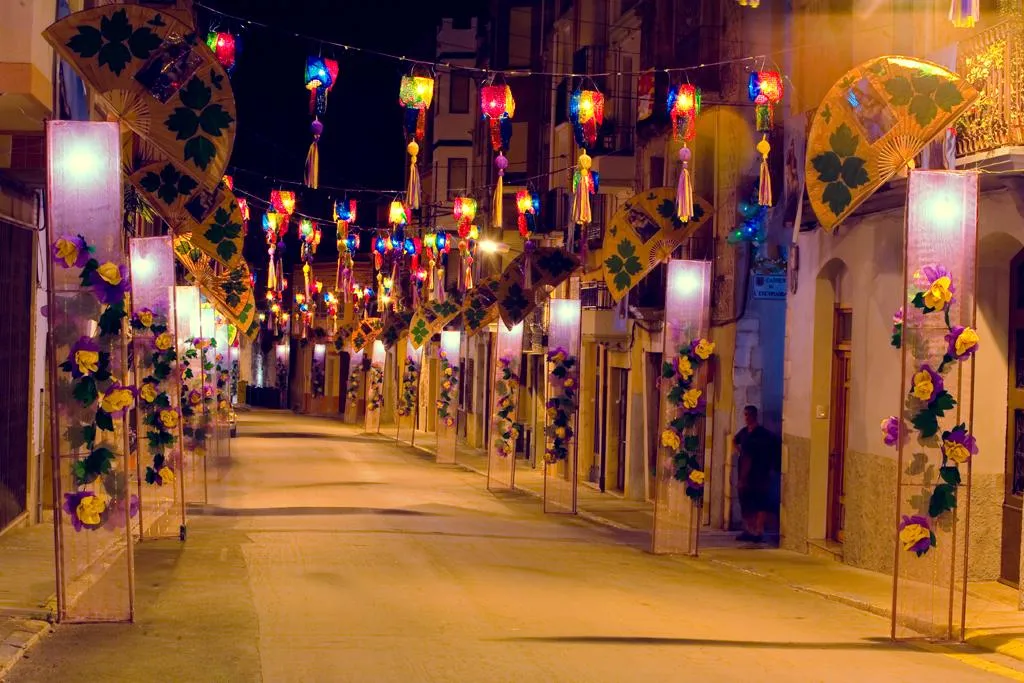
Centre Històric d'Ulldecona
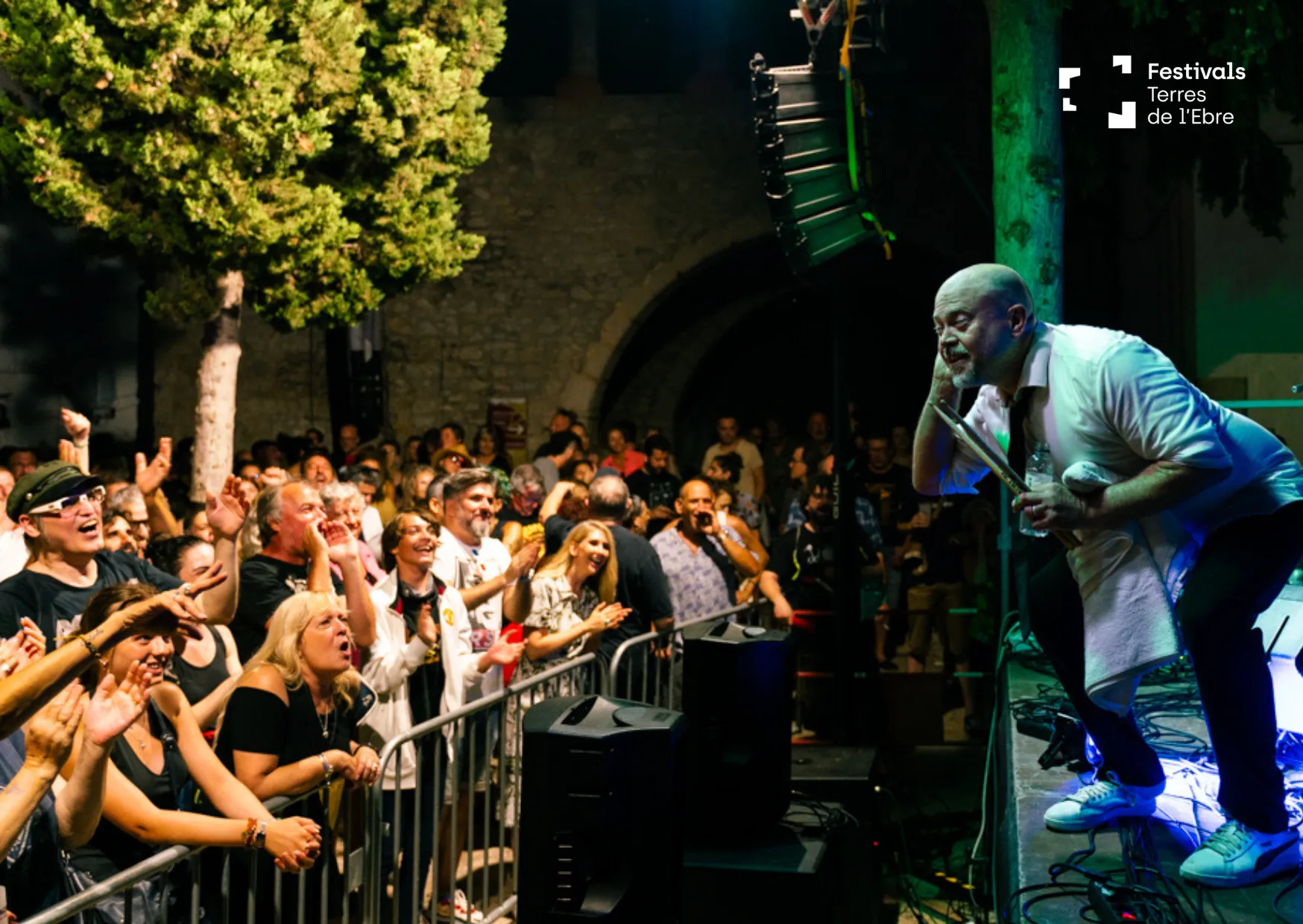
JORNADES MUSICALS A L'ERMITA DE LA PIETAT (JMEP)
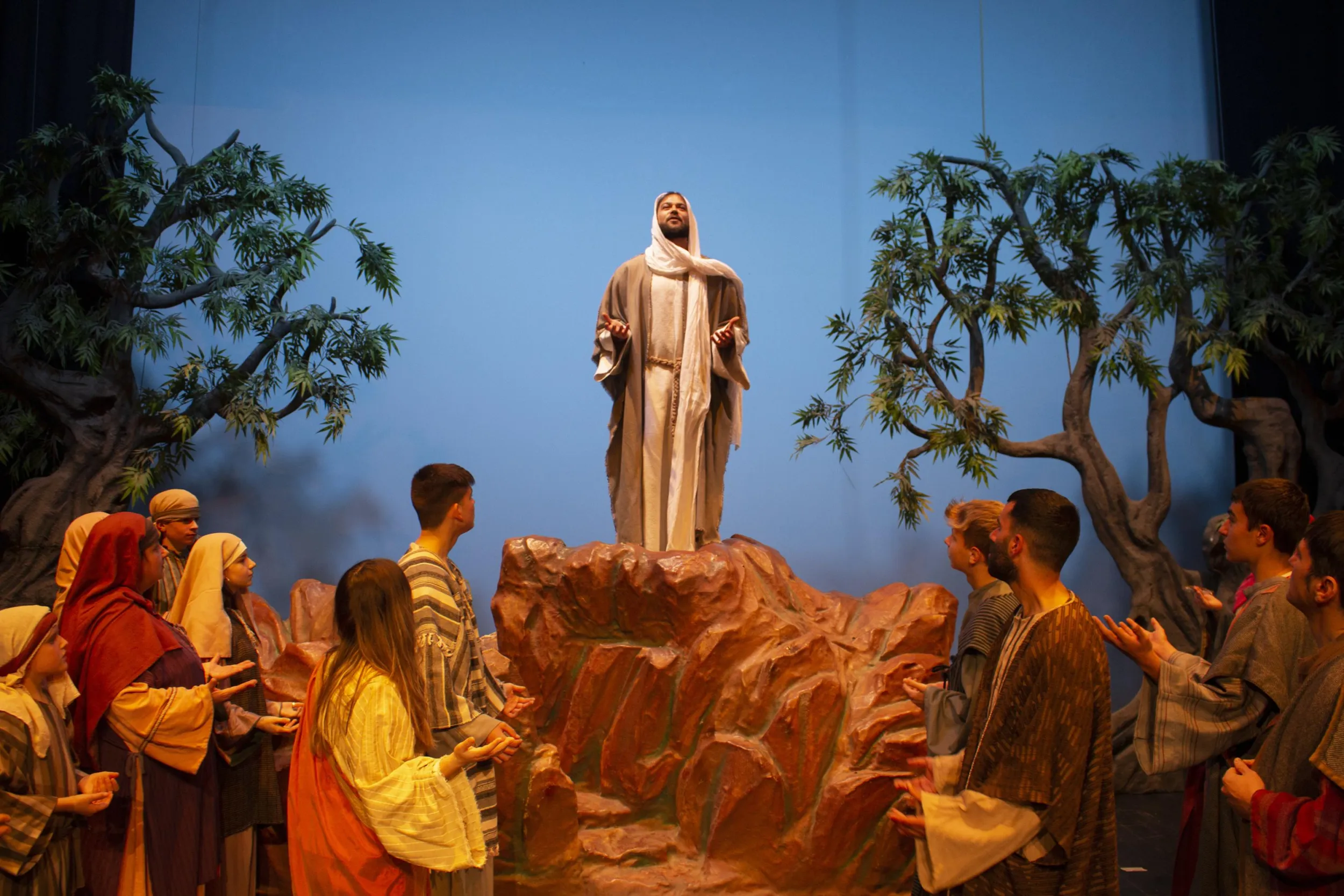
LA PASSIÓ D'ULLDECONA
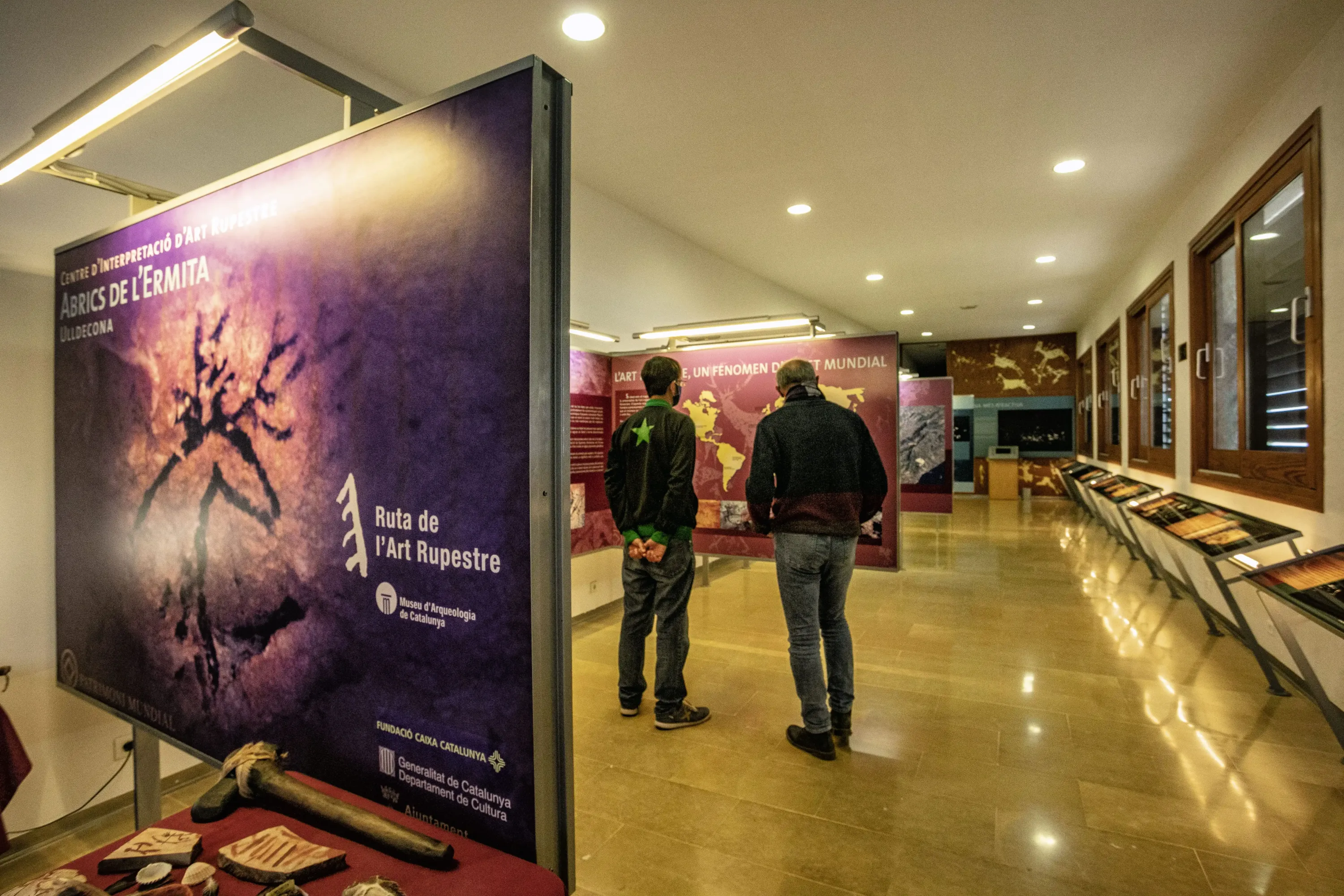
Centre d'Interpretació d'Art Rupestre "Abrics de l'Ermita"
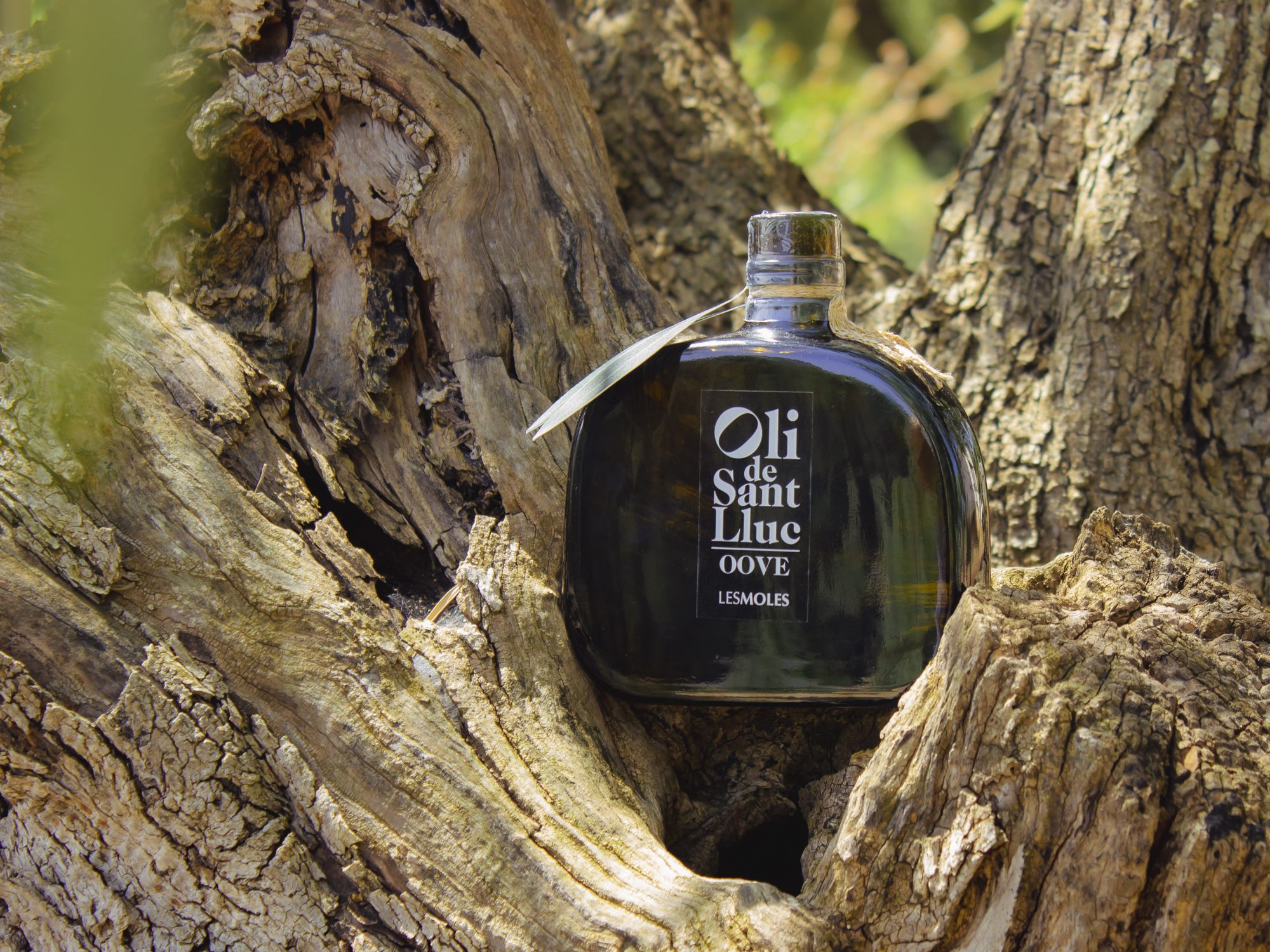
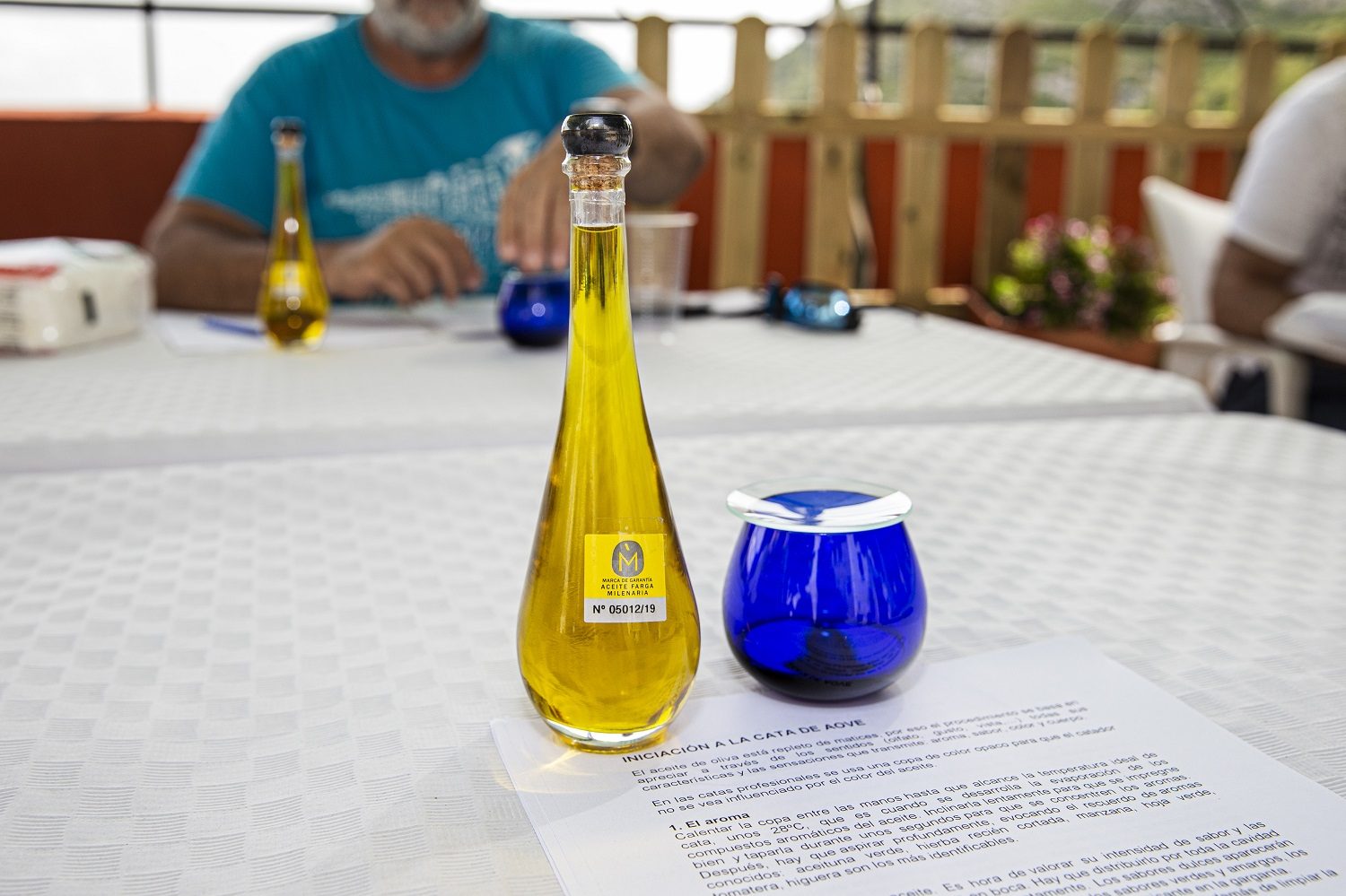
Between olive trees and tasting menu at Les Moles
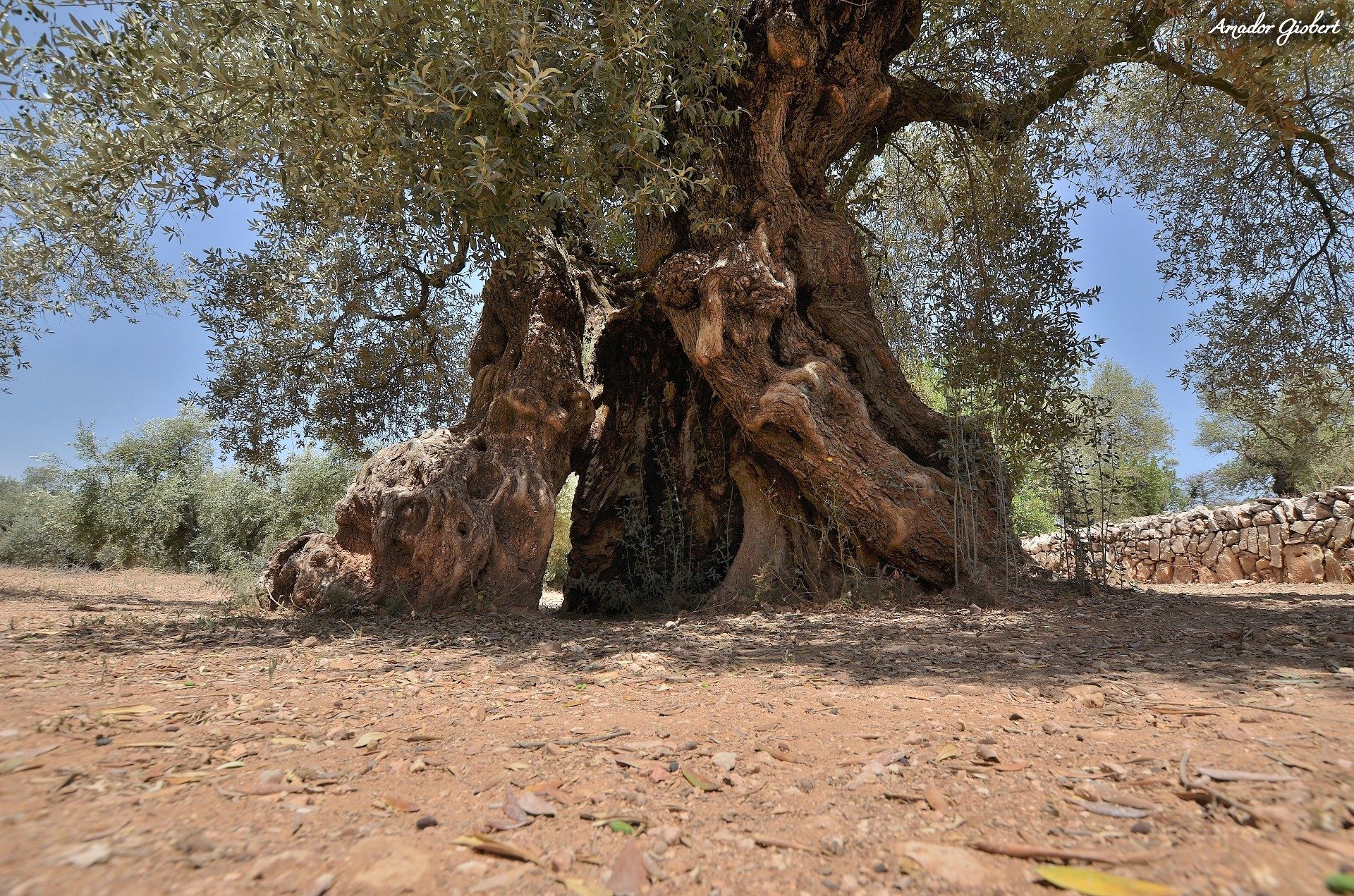
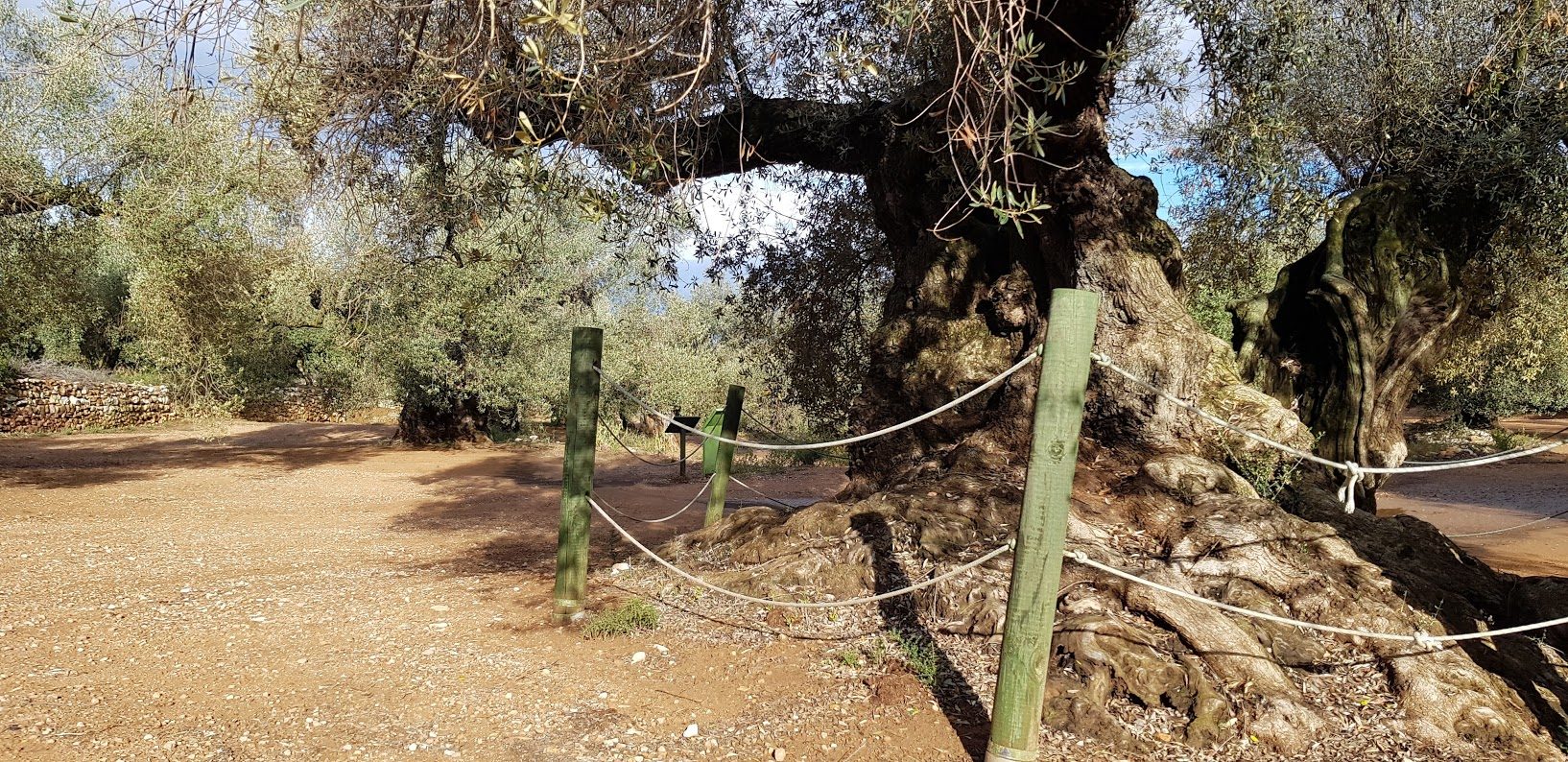
The thousand-year-old olive trees of the Arion
The Arion and the Mill: Premium Tour