Itinerary 8. From Gandesa to the Sebes Nature Reserve
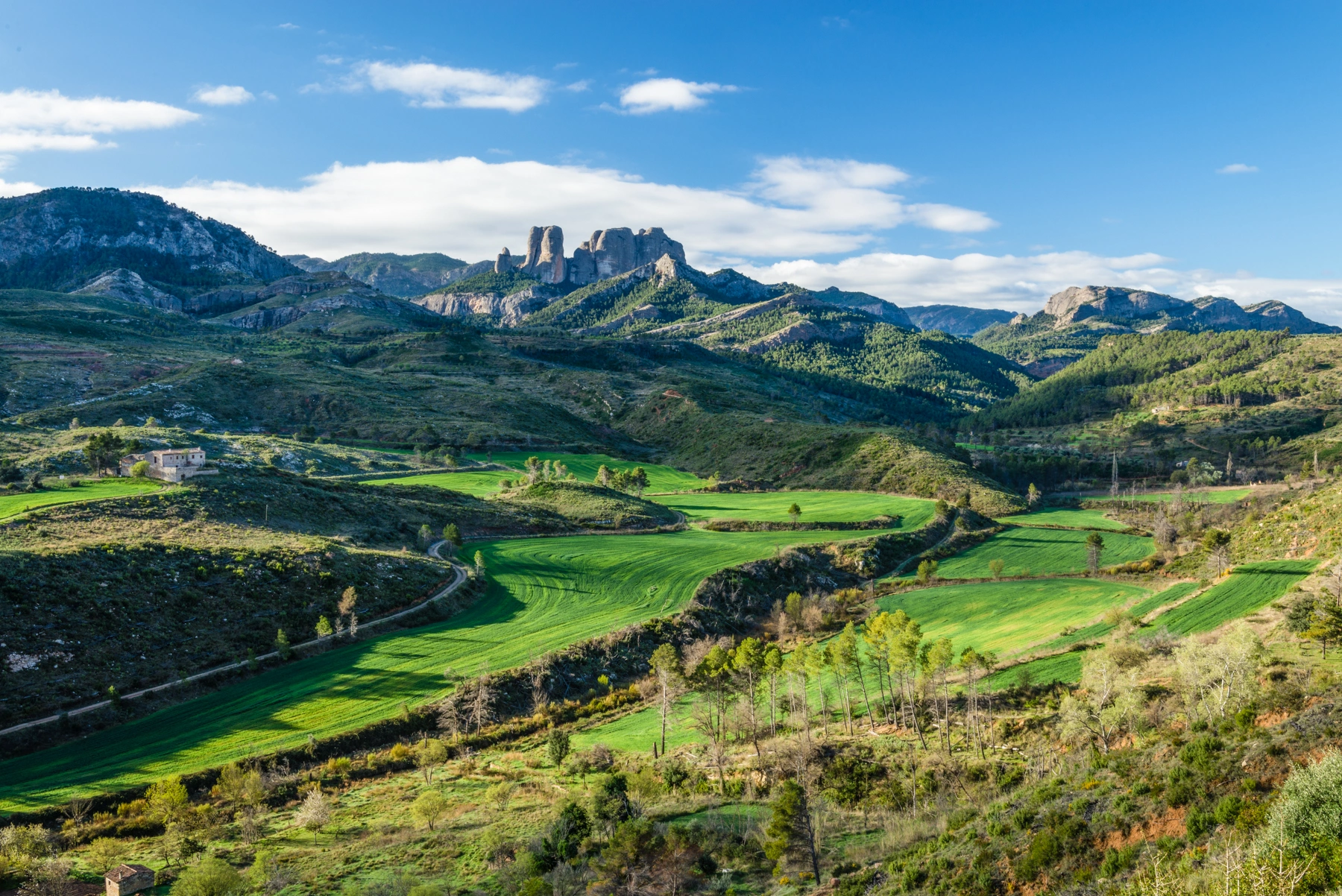
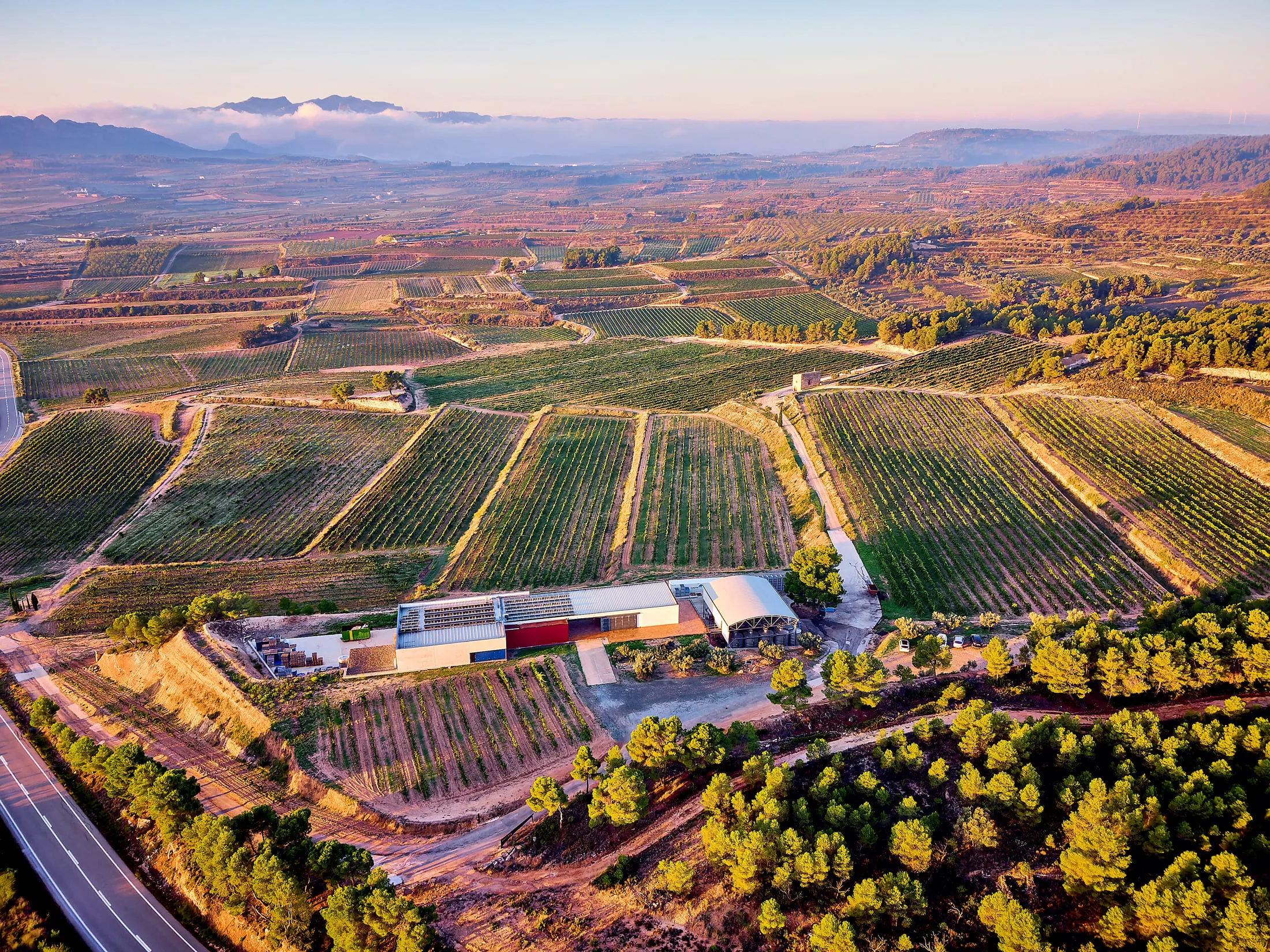
Gandesa, known for the quality of its Terra Alta Designation of Origin wines, will be the starting point of the route. From there we take the TV-7231 road towards Vilalba dels Arcs, crossing large expanses of vineyards with small patches of pine forest.
- Distància
- 36.6 km by car + 300 m on foot
- Durada
- full day
- Punt de partida
- Gandesa
- Tipus de ruta
- Linear
- Desnivell
- ↑ 490 m · ↓ 800 m
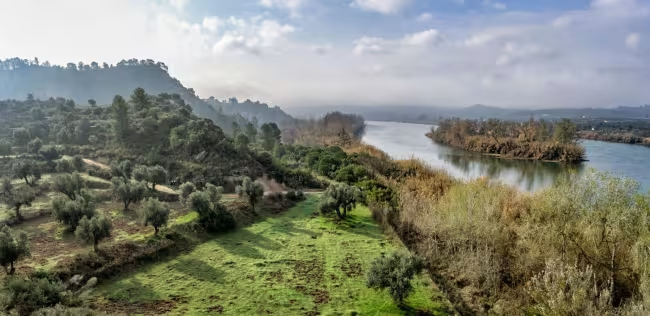
In this area we should see species of Mediterranean environments such as bee-eaters, woodchat shrikes or the scarce greater short-toed lark, still present in some areas with plant structures reminiscent of the old fallow fields.
We then head towards la Fatarella, following the TV-7333, looking at the small bridges where the distinctive nests of the red-rumped swallow are built. We continue, now descending, to find the bank of the River Ebro at Ascó. These are lands of black kites on the riverbed and black-eared wheatears in farmhouses and field margins. On reaching the C-12 we head north until we pass through the town of Flix. Just after the majestic bridge over the River Ebro we turn left towards the Sebes Nature Reserve, where we find one of the most important natural areas in the north of the Terres de l'Ebre, upstream of the Flix meander.
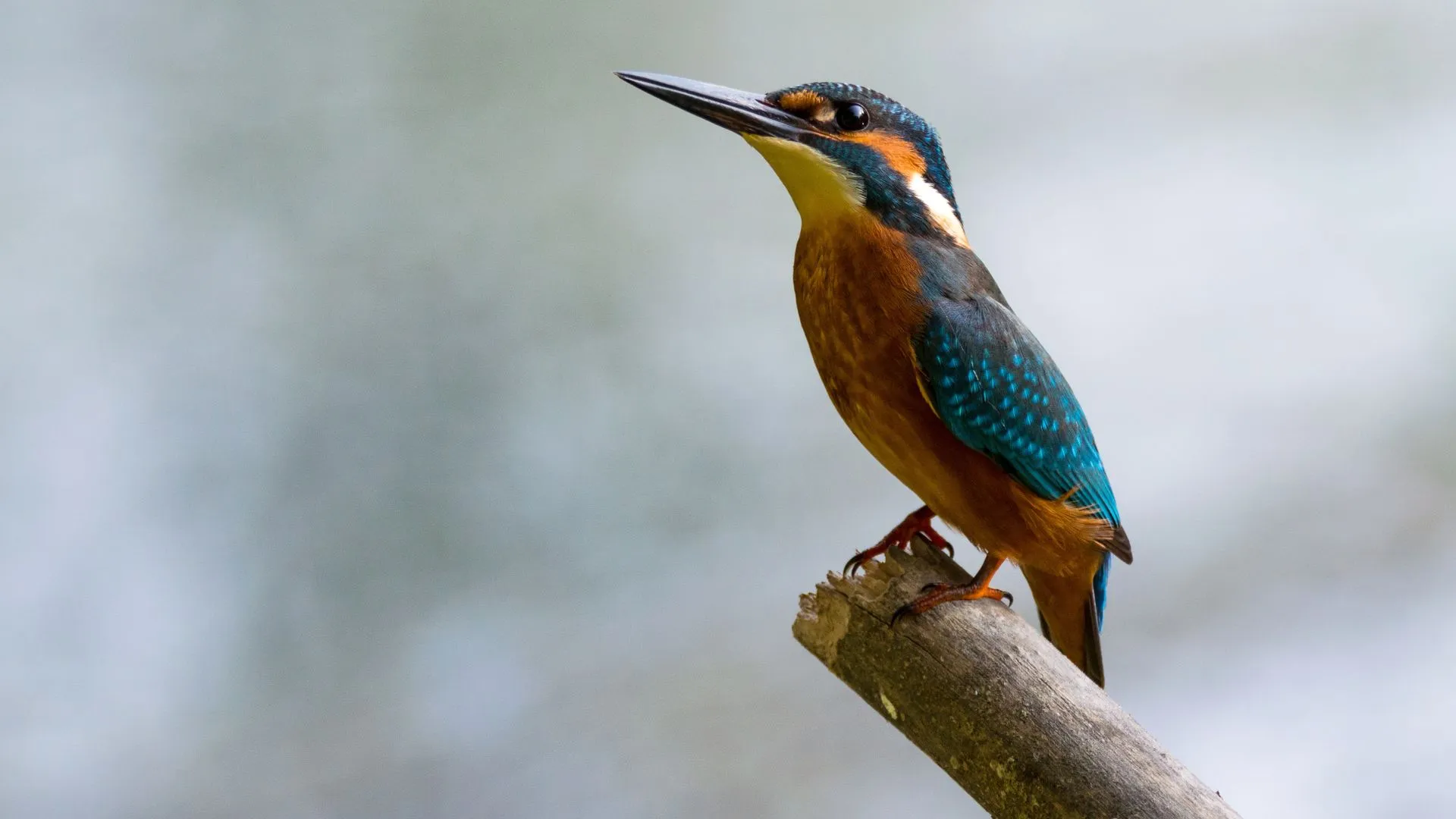
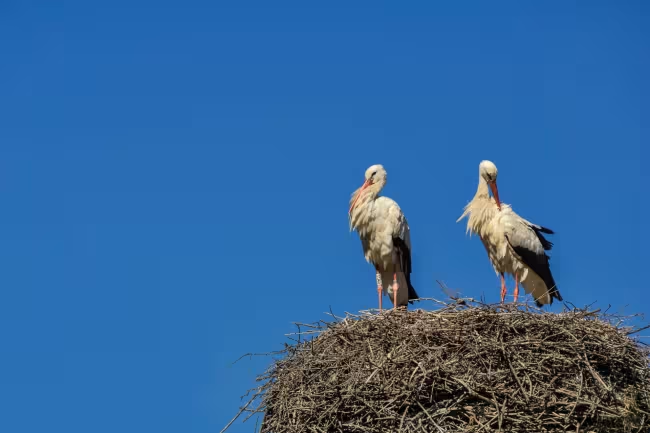
The area has several raised walkways that let us go into the wetlands. There we will find different hides from which to watch the wildlife up close. With the constant summer song of the golden oriole, we can enjoy watching the little bittern, the kingfisher or the white storks resulting from a reintroduction project. Keep an eye on the trees, where in spring we can discover the most elaborate nest of European birdlife, the penduline tit's nest.
After breeding, this small bird moves to the best-preserved reed beds, where it looks for the small seeds that are the basis of its diet. Another of the mythical birds hides in these reed beds, the bittern, making this one of the best natural areas in the region to observe and photograph it. During migration periods, the floodable meadows managed by the eleven Camargue horses mean that the shallower areas with little plant cover are a good place to see the elusive spotted crakes or little crakes.
But not all the richness lies in the wetlands. Looking at the slopes and walls of the area we can see more rock-dwelling birds such as the black wheatear, the rock sparrow or the blue rock thrush.
Phenology
Any time of year is good for discovering this area, but if we want to try our luck with the bittern, we must go between November and March. The colour and showiness of the dry-farmed fields and vineyards are provided by bee-eaters, European rollers and woodchat shrikes, present only from late spring to mid-summer.
The route
Perfil d’altitud
On és
Birds You Can See
Open the Logbook-
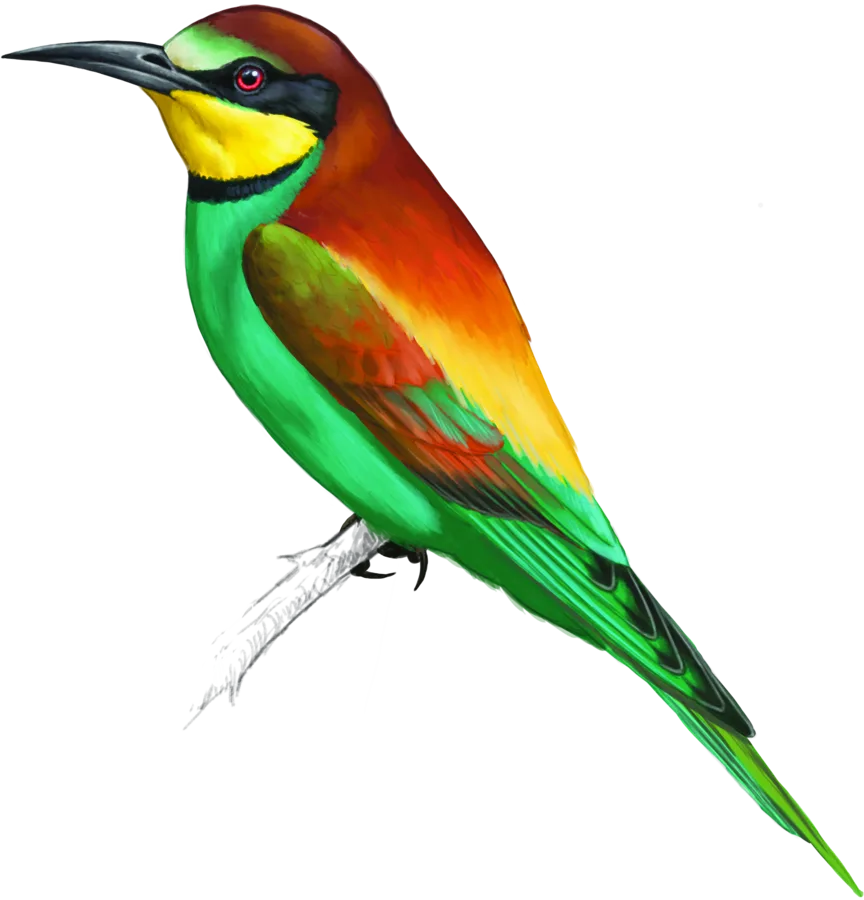 Bee-eater
Merops apiaster
-
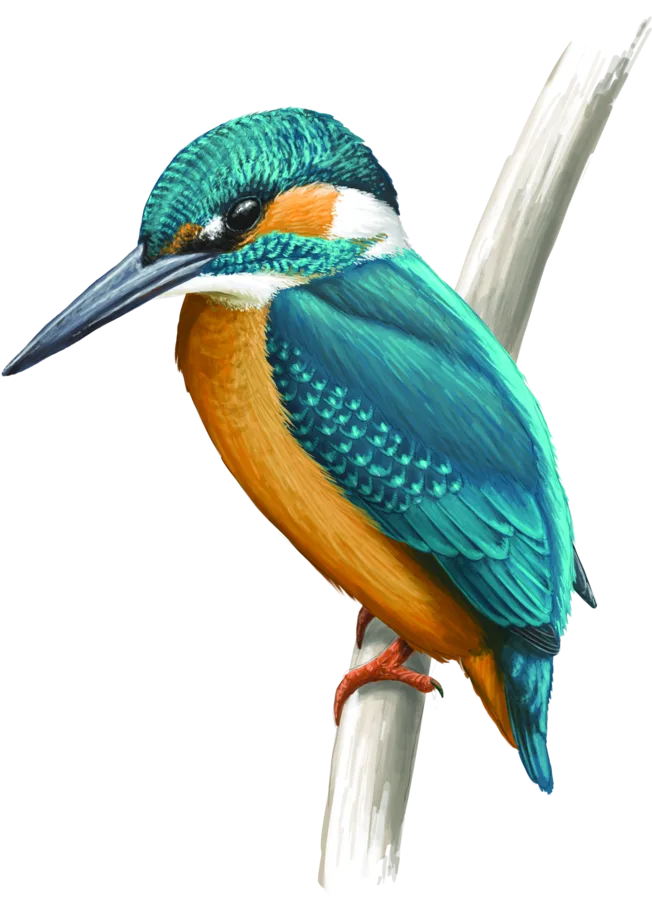 Cornflower
Alcedo atthis
-
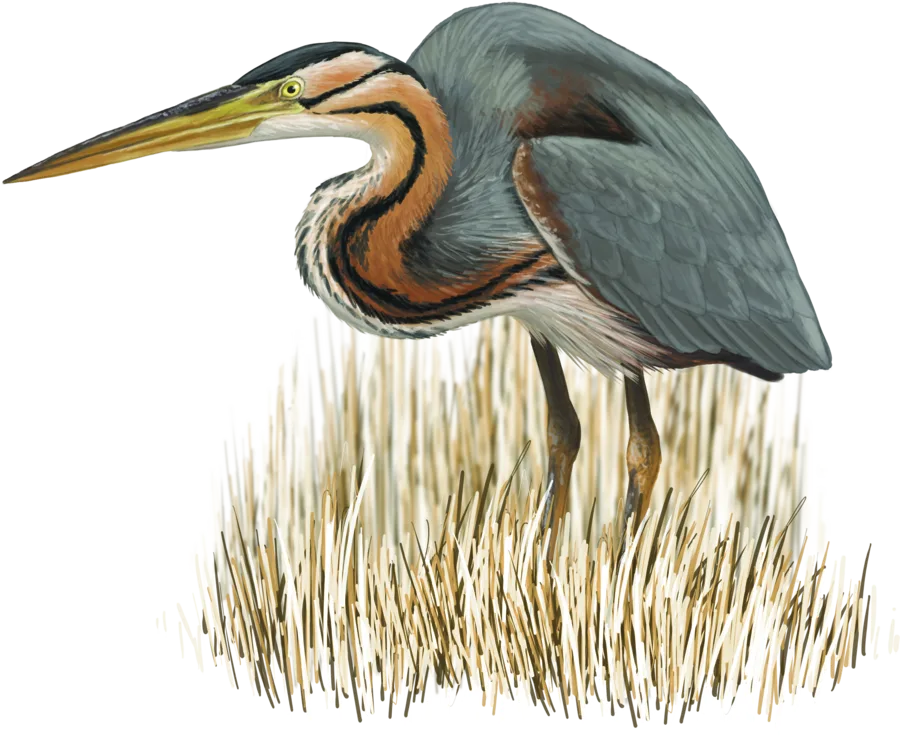 Red heron
Ardea purpurea
-
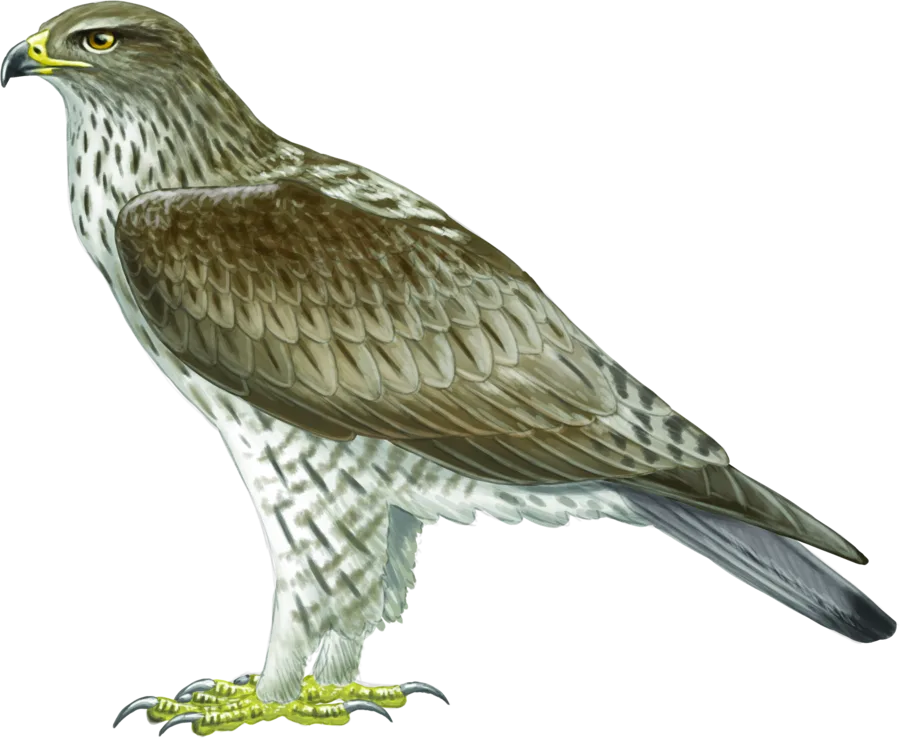 Bonelli's Eagle
Aquila fasciata
-
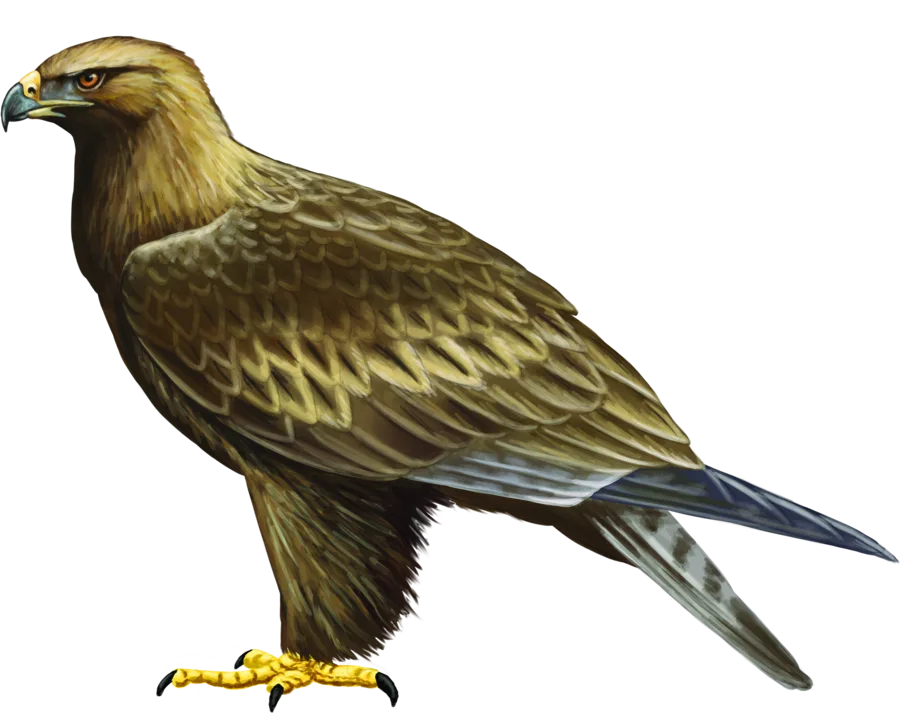 Golden eagle
Aquila chrysaetos
-
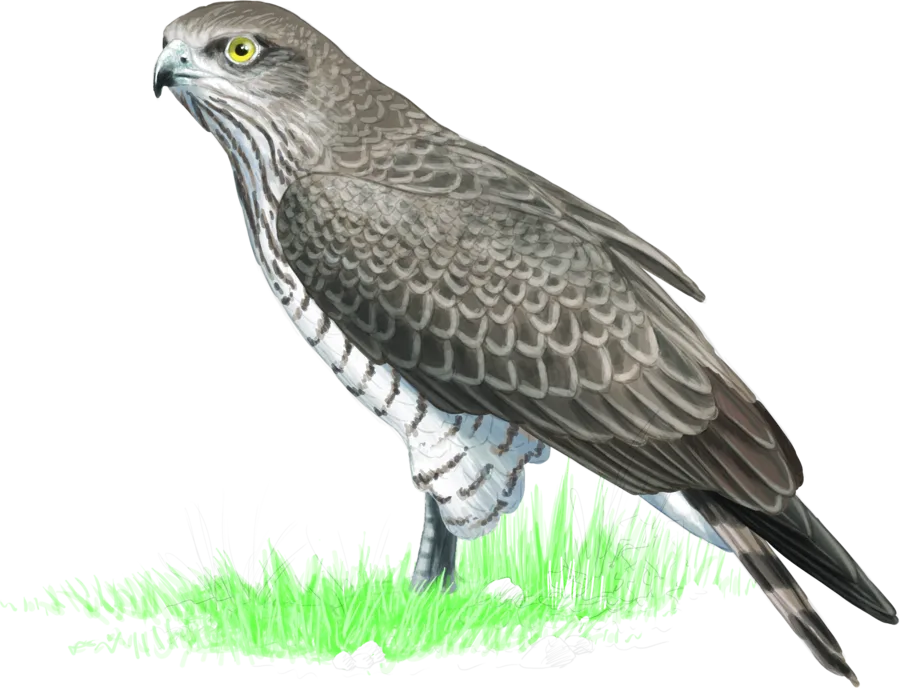 Short-toed eagle
Circaetus gallicus
-
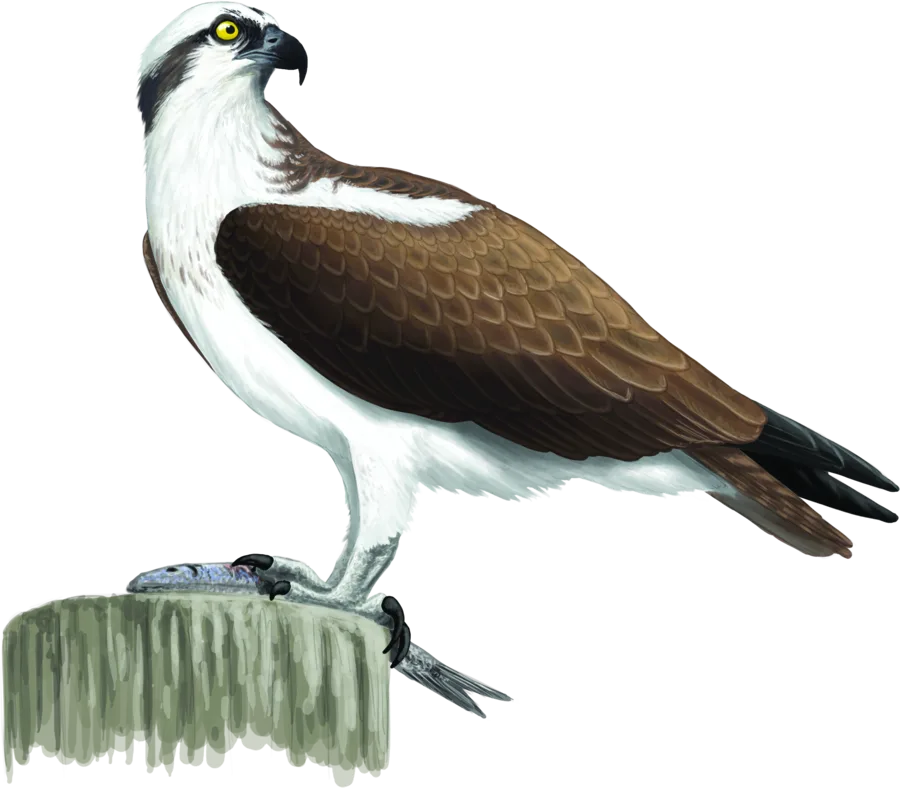 Osprey
Pandion haliaetus
-
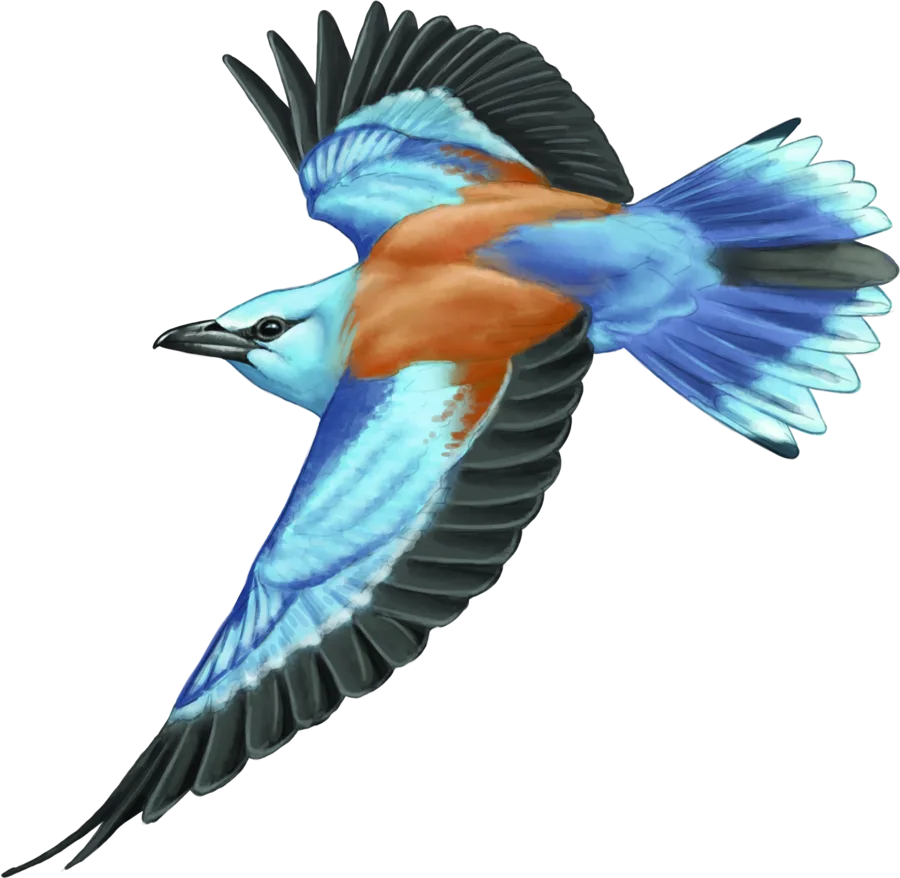 Blue Jay
Coracias garrulus
-
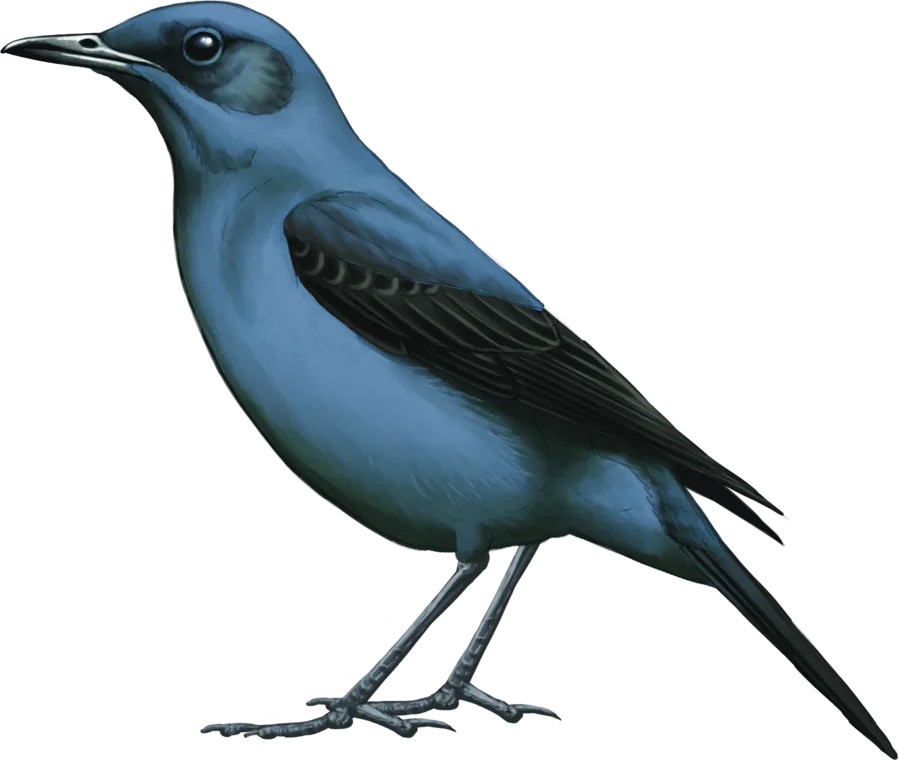 Blue Blackbird
Monticola solitarius
-
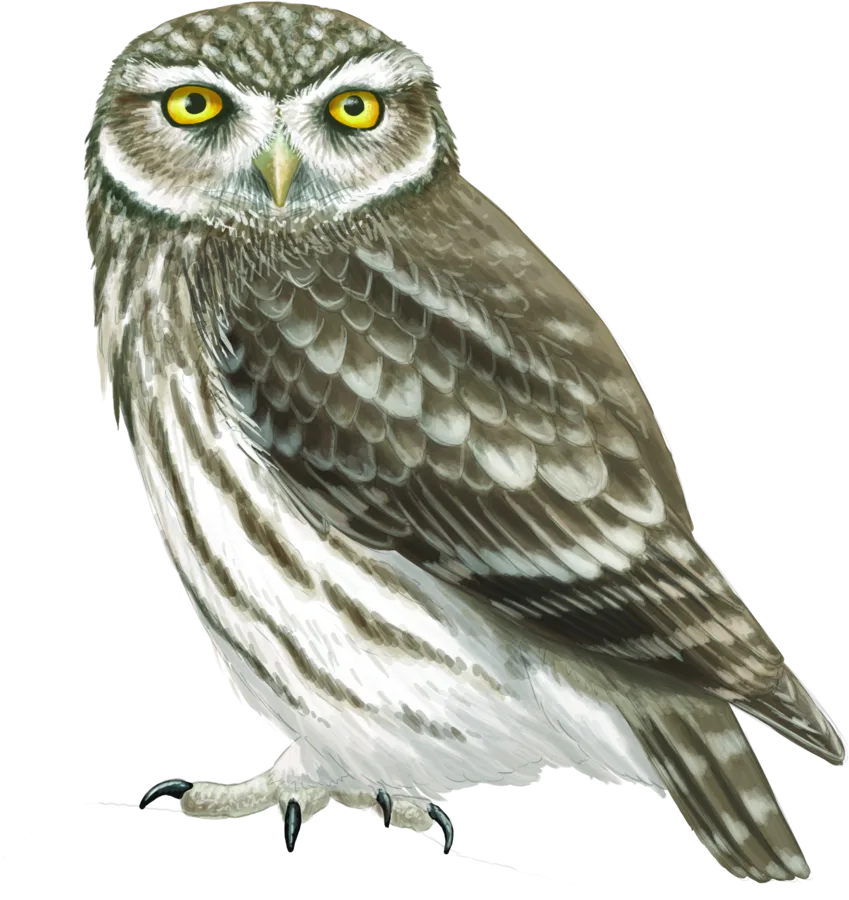 Common Owl
Athene noctua
-
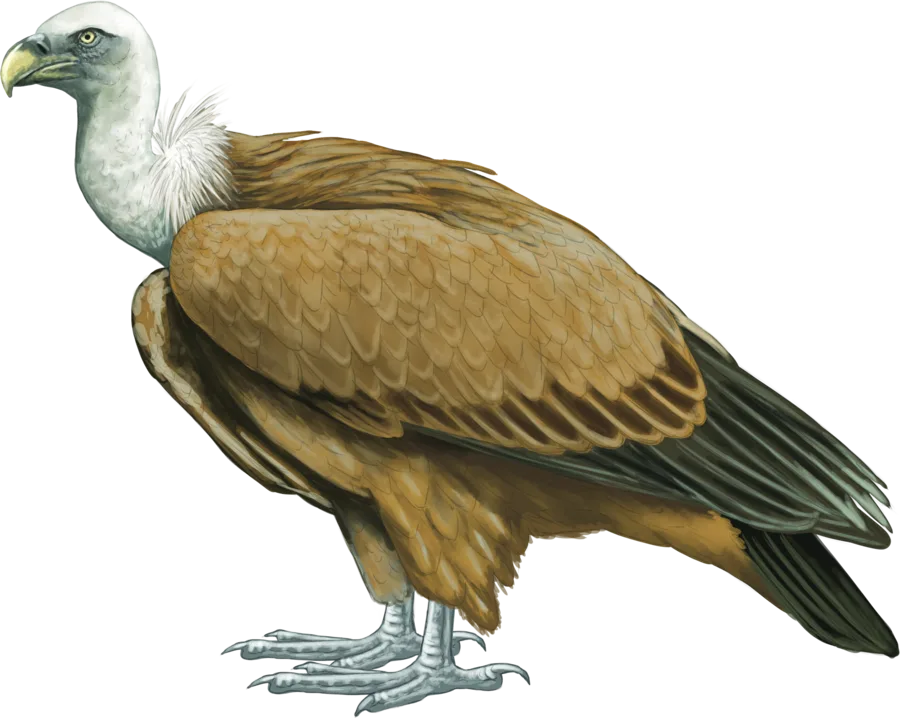 Griffon vulture
Gyps fulvus
-
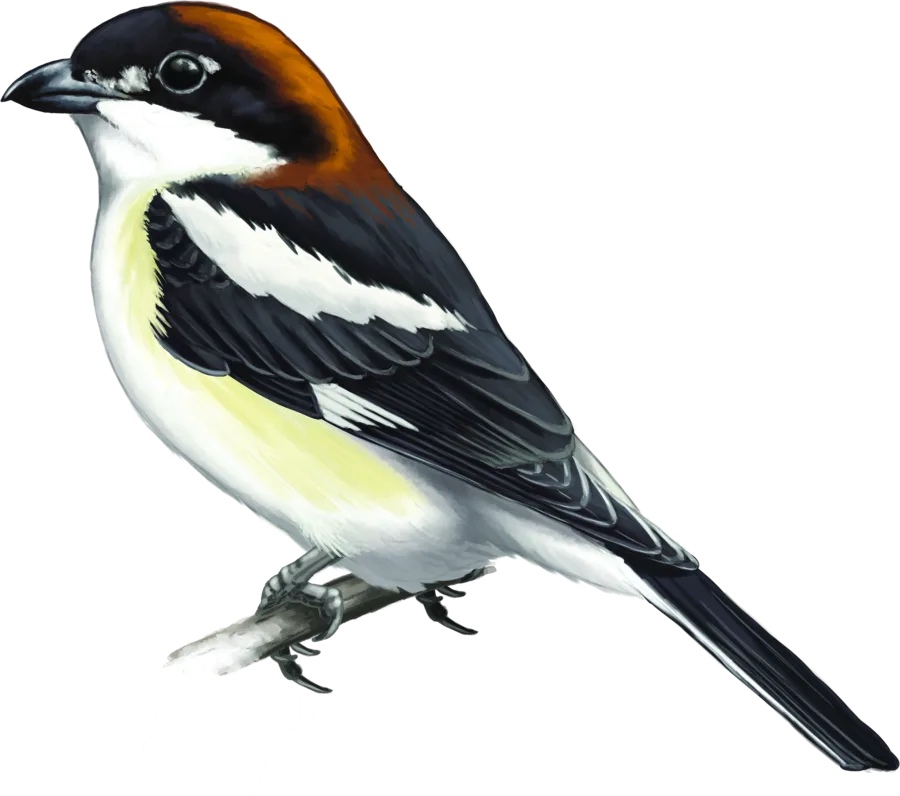 Capsigrany
Lanius senator
-
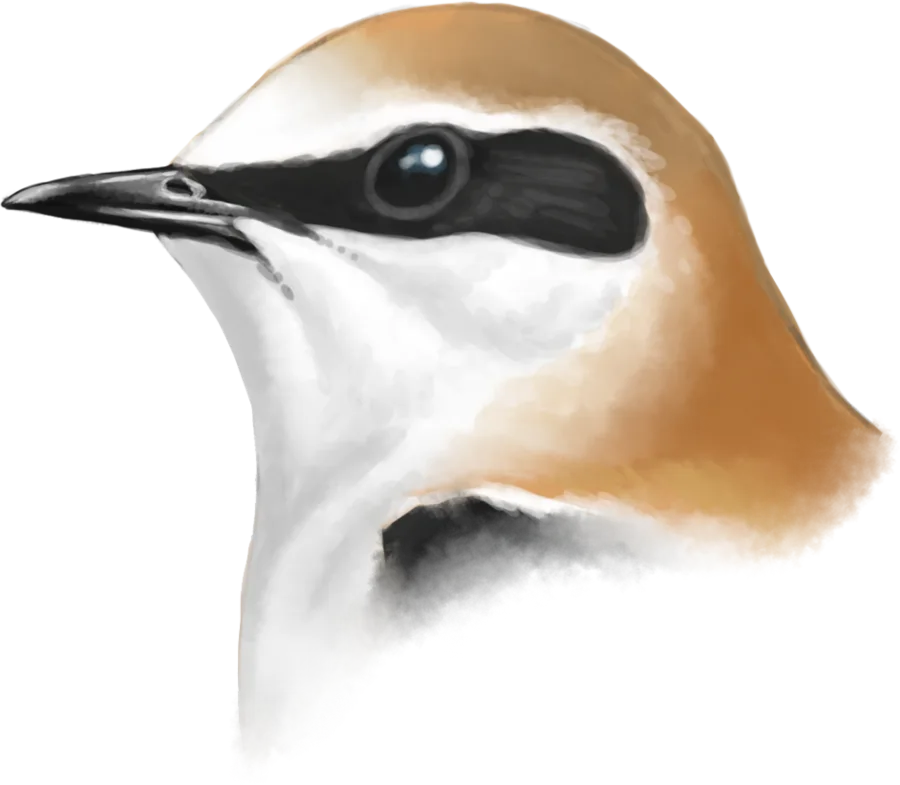 Pink collar
Oenanthe hispanica
-
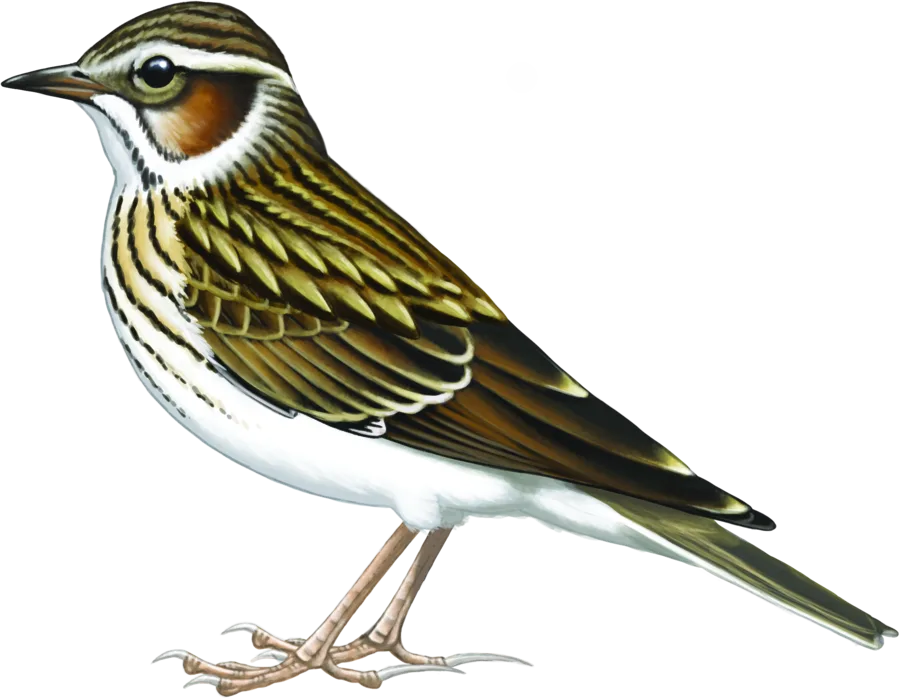 Cotoliu
Lullula arborea
-
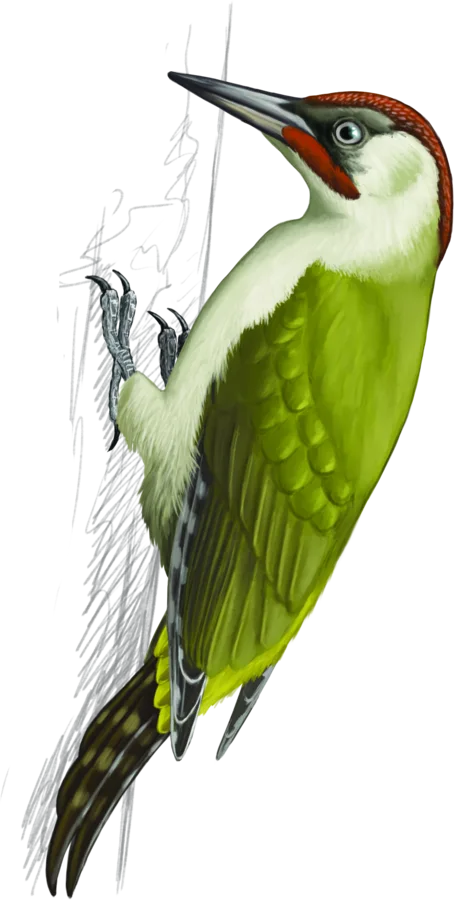 Green Woodpecker
Picus sharpei
-
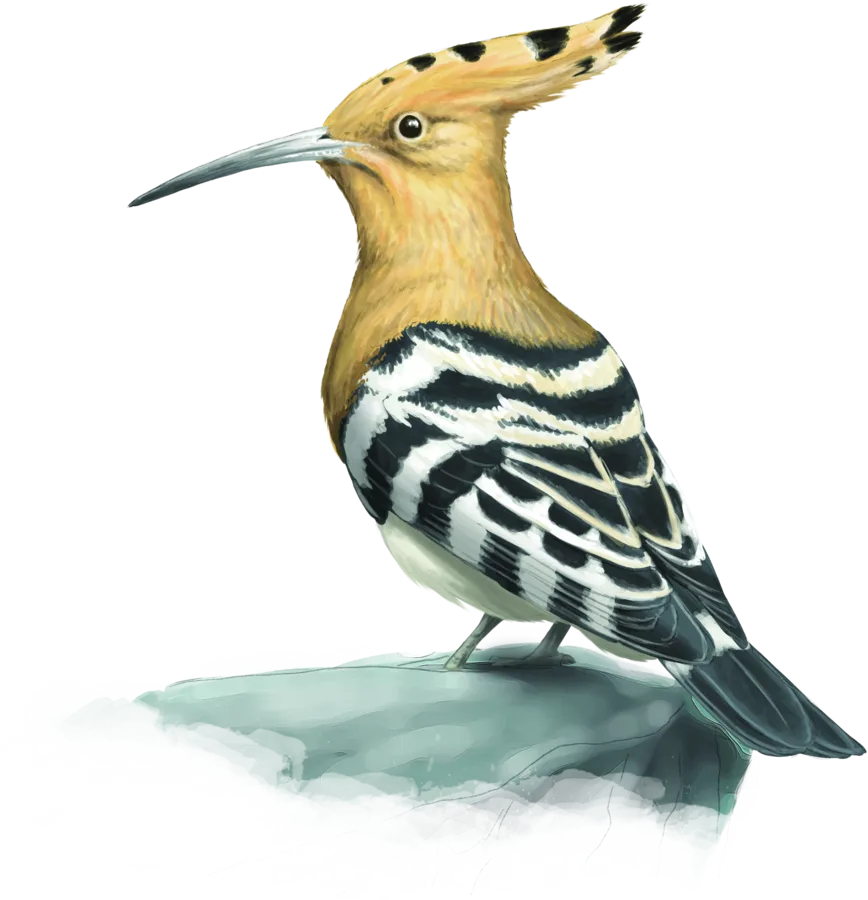 Puppet
Upupa epops
-
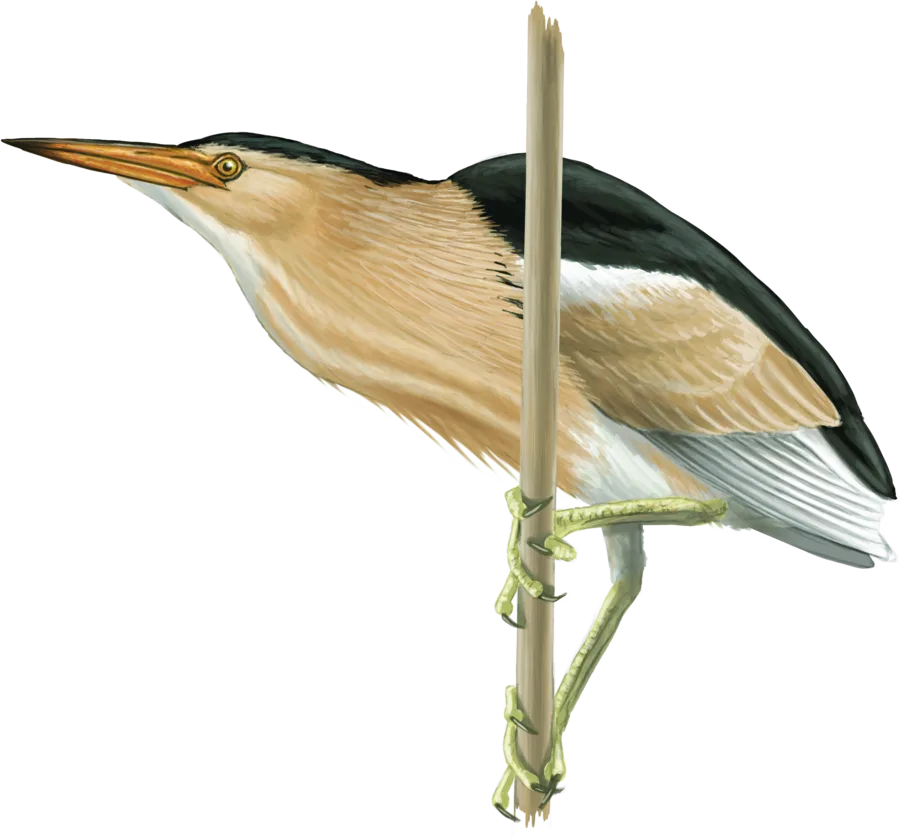 Swift Menu
Ixobrychus minutus
-
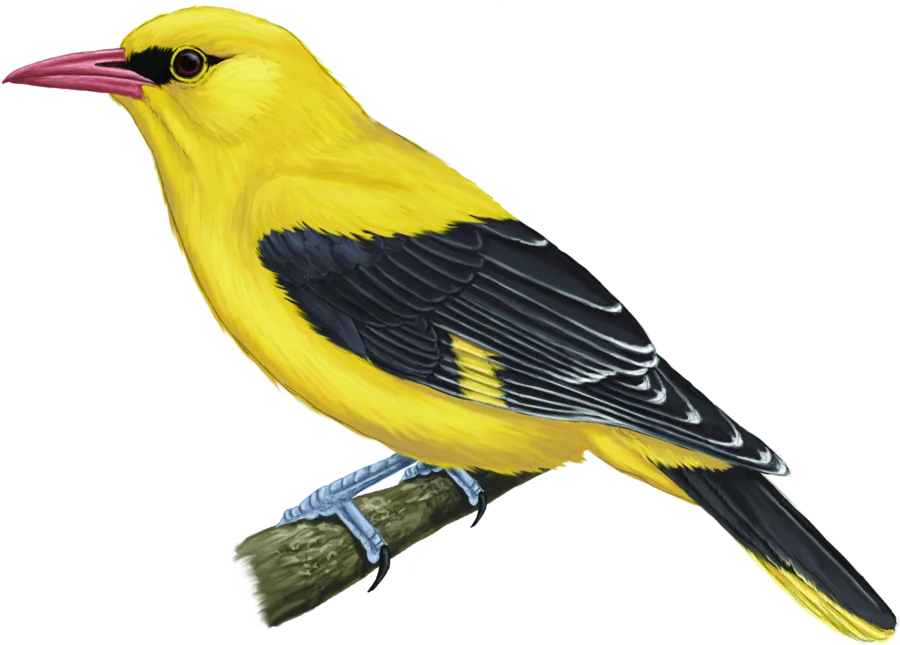 Oriol
Oriolus oriolus