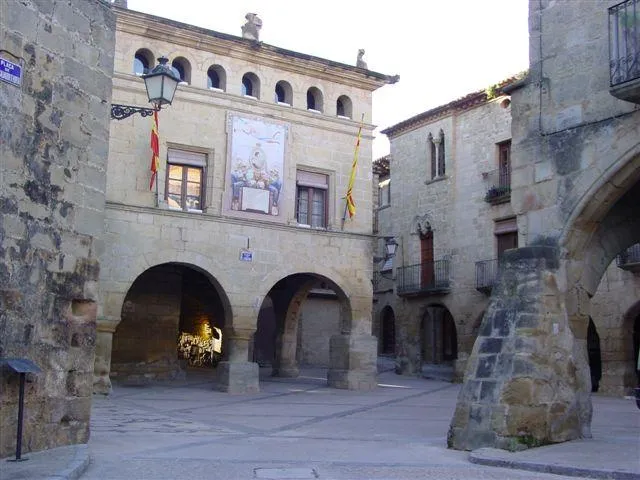
Itinerary 6. From Horta de Sant Joan to la Franqueta
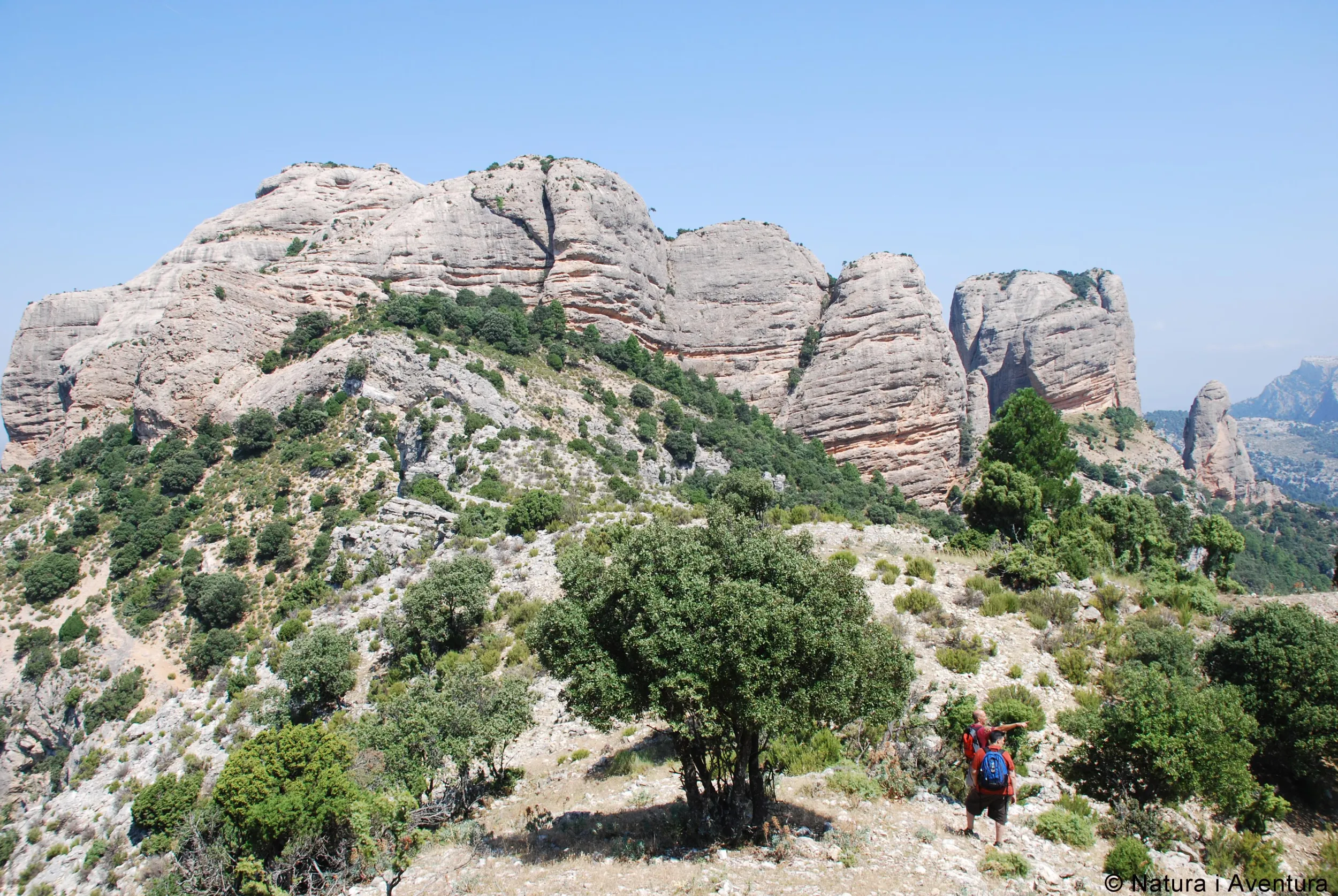
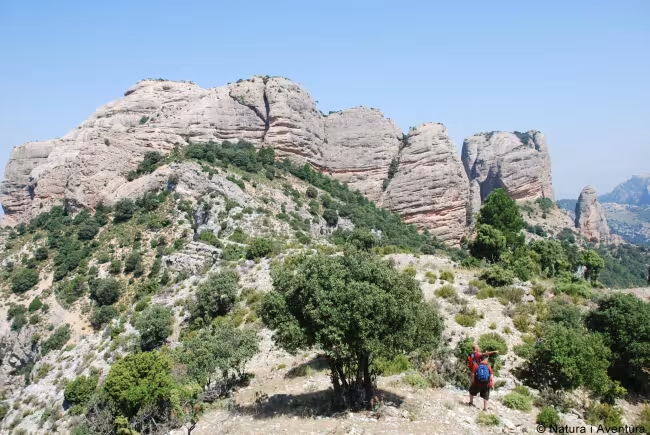
Standing on the T-333 road at the junction leading to Horta de Sant Joan, we begin the route following the signs for "Els Ports". We can make a first stop at the Salt de Ferrassó viewpoint, with spectacular views of the valley and the Roques de Benet.
- Distància
- 10.3 km by car + 100 m on foot
- Durada
- full day
- Punt de partida
- around Horta de Sant Joan
- Tipus de ruta
- Linear
- Desnivell
- ↑ 220 m · ↓ 130 m
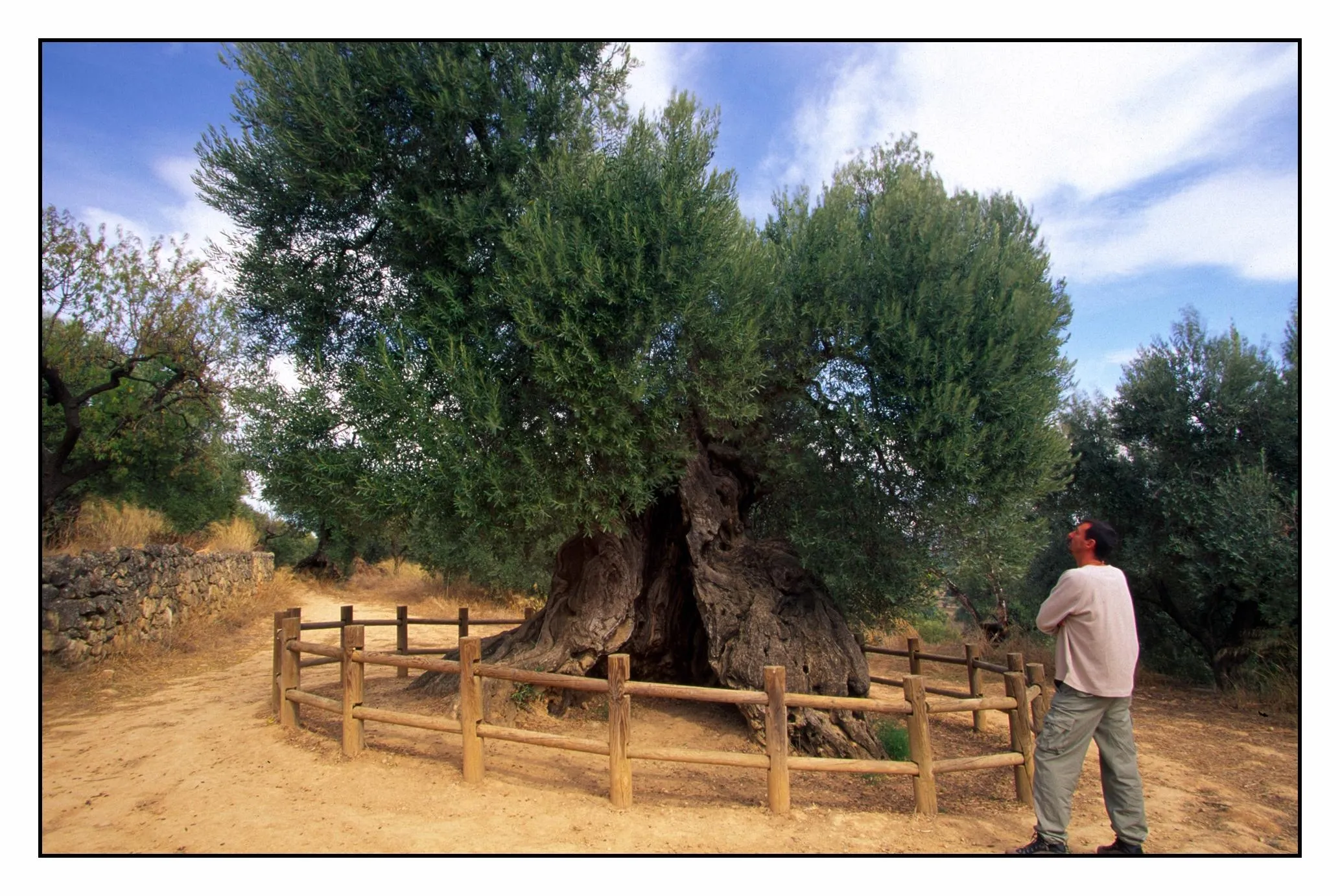
In this area of olive trees we will hear typical species such as the woodlark, the red-legged partridge or the corn bunting. If we coincide with the fruiting season in the fields, we will see birds such as warblers, thrushes, robins or black redstarts taking advantage of the energy reserve the olives provide.
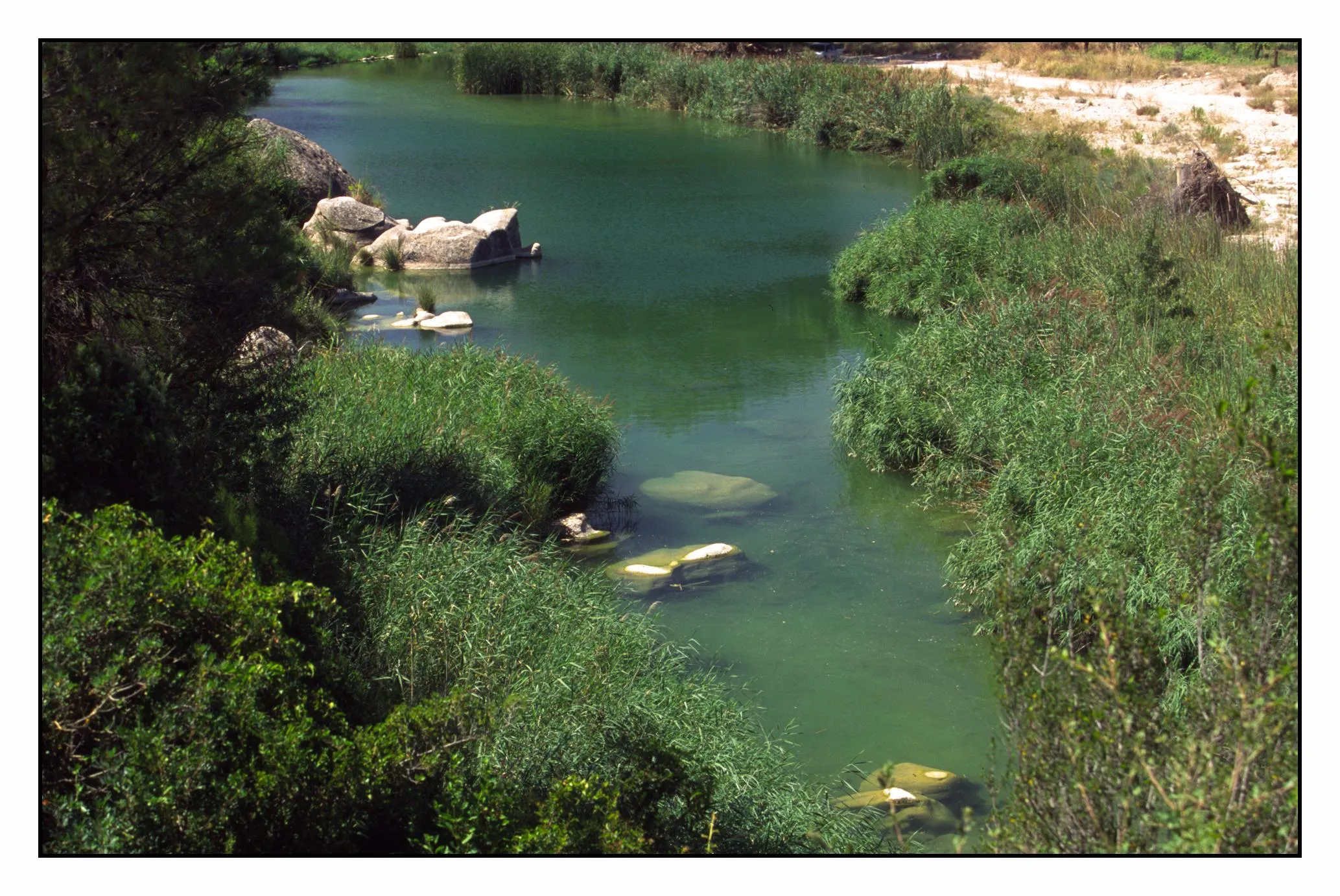
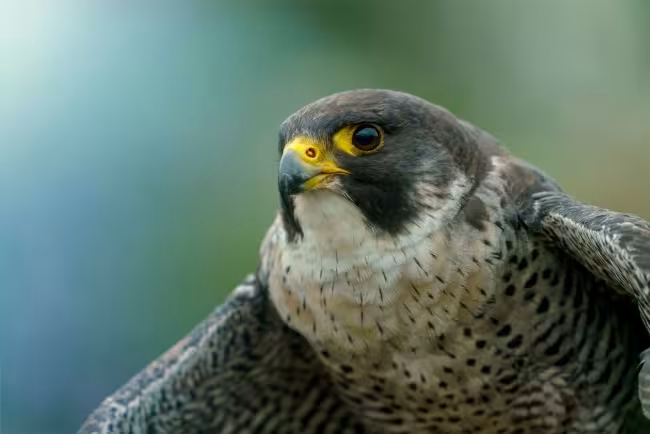
We continue into the forest track in the direction of the Franqueta area. Look out for the birds of prey flying over the cliffs. There we will see griffon vultures, Egyptian vultures and perhaps a short-toed snake eagle, golden eagle or Bonelli's eagle. From the Lliberós car park you can take a short walk to the river. Among the trees, you can see birds such as the firecrest, the crested tit and the Western Bonelli's warbler. On the rocky walls look for the peregrine falcon, the rock sparrow, the blue rock thrush, the crag martin, the Alpine swift and the odd wild goat.
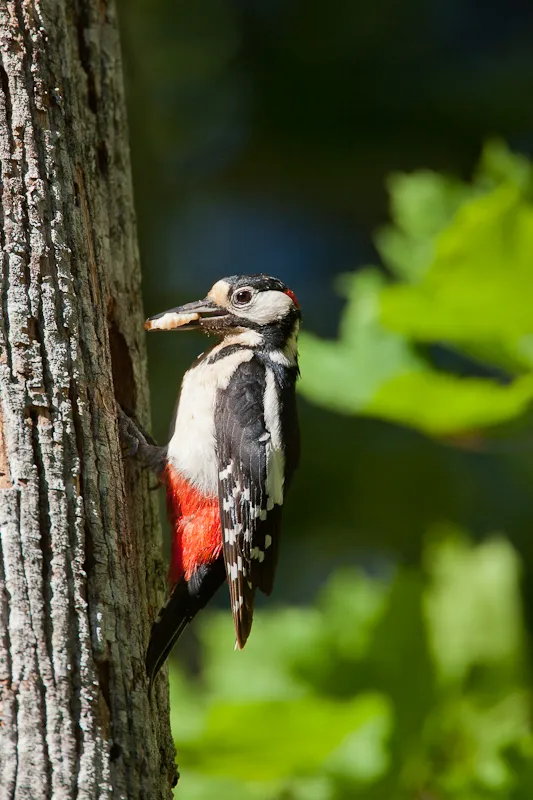
If we visit early, we have many chances of finding them before they climb to the highest, inaccessible parts, or look for shade in the summer heat. From Lliberós, we continue along the track, crossing wooded areas along the Vall d'Uixó ravine; there we find a good number of forest and Mediterranean birds such as the Dartford warbler, the coal tit or the crossbill. This track takes us to the Franqueta area, in the middle of a riverside forest where the great spotted woodpecker, the European green woodpecker and the Eurasian nuthatch live. In the shade of the poplars we wait for the visit of the most trusting birds. The grey wagtail is frequent at the river, and if you are very lucky you may see an otter.
Phenology
We recommend doing this route between November and February if the main aim is birdwatching for birds that do not come from the high mountains, such as the Alpine accentor or the wallcreeper. To see eagles, vultures and goats, any other time of year will be a good choice.
The route
Perfil d’altitud
On és
Birds You Can See
Open the Logbook-
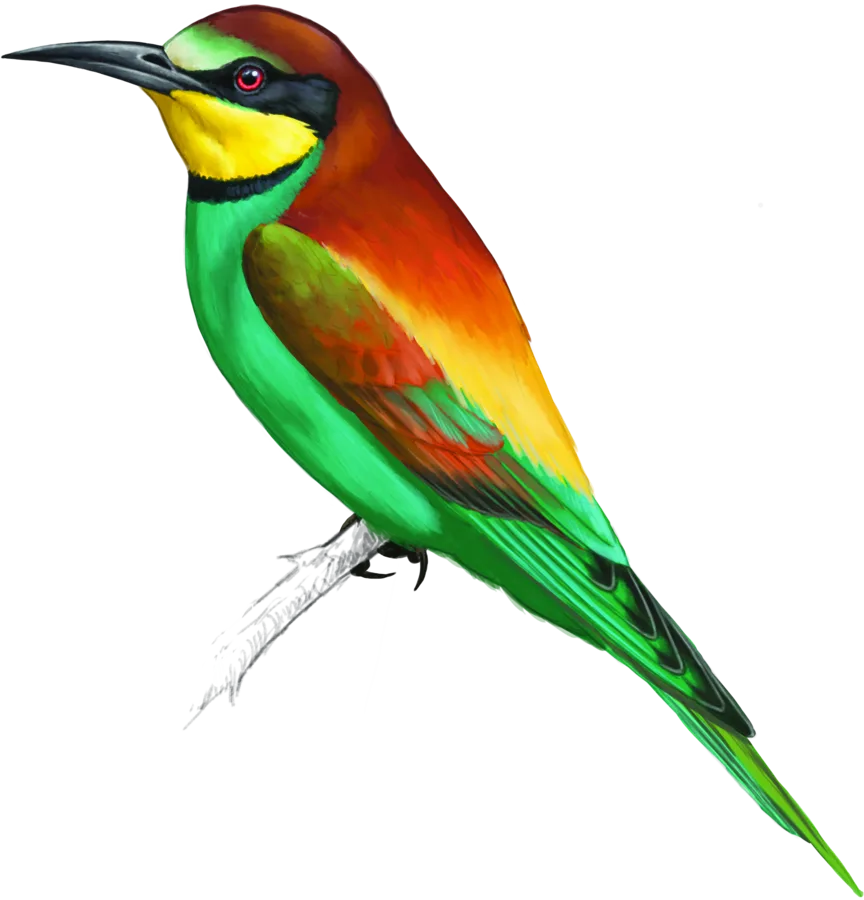 Bee-eater
Merops apiaster
-
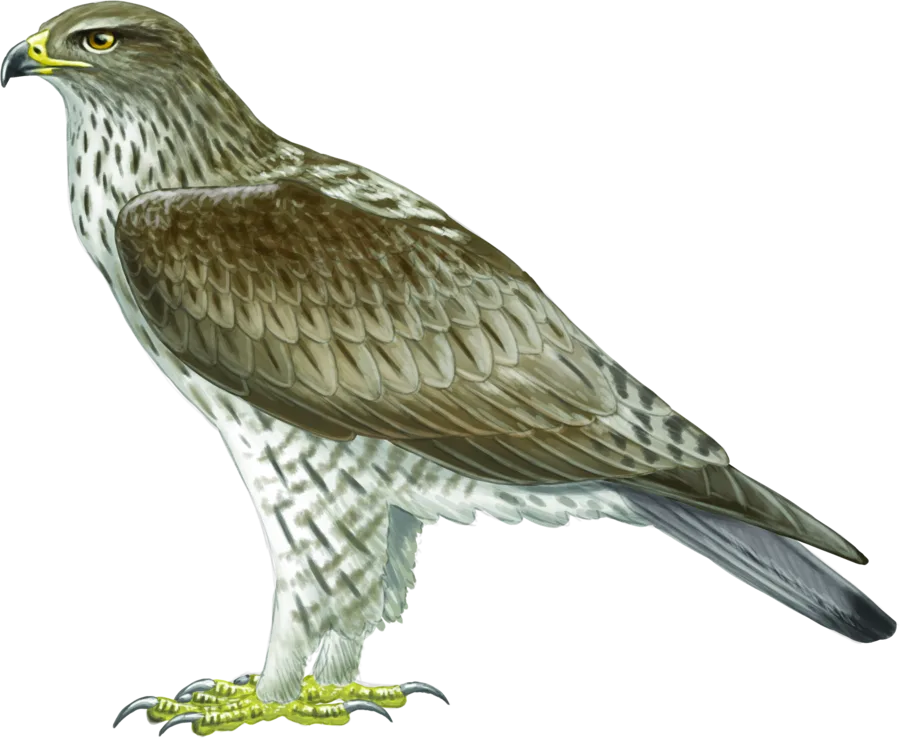 Bonelli's Eagle
Aquila fasciata
-
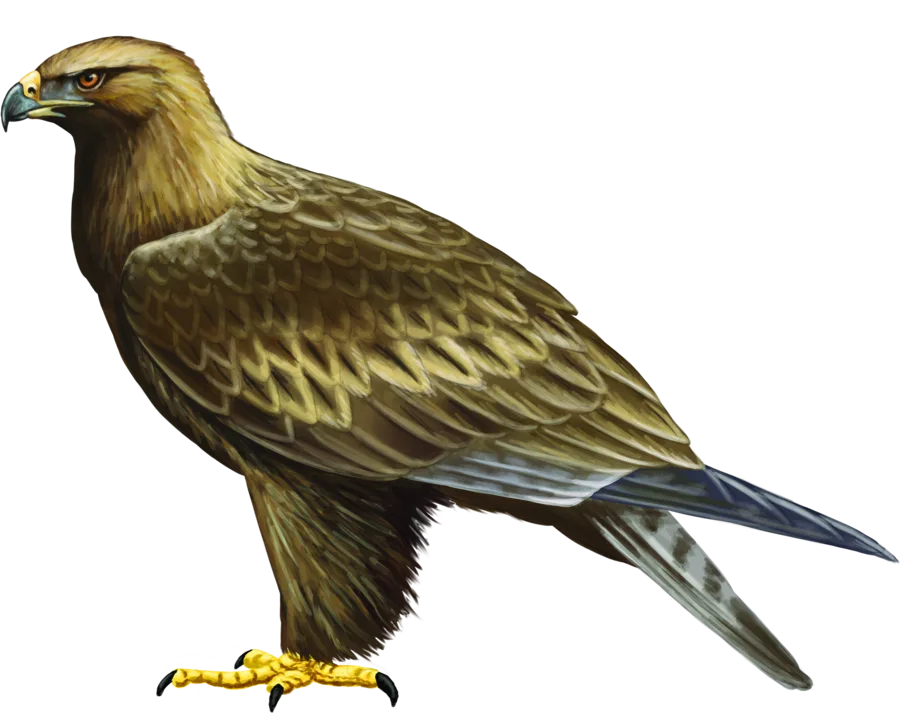 Golden eagle
Aquila chrysaetos
-
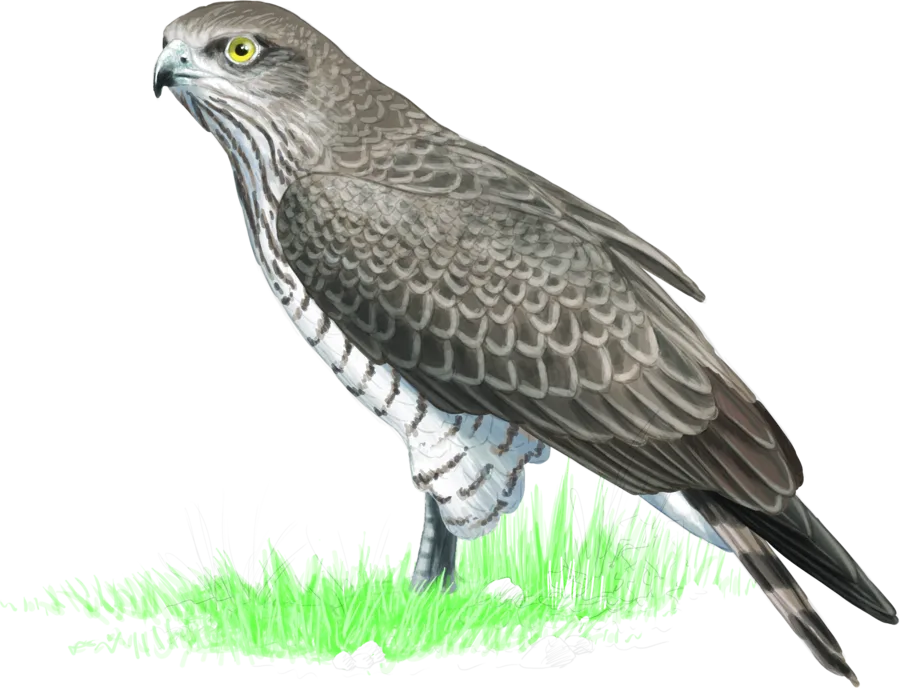 Short-toed eagle
Circaetus gallicus
-
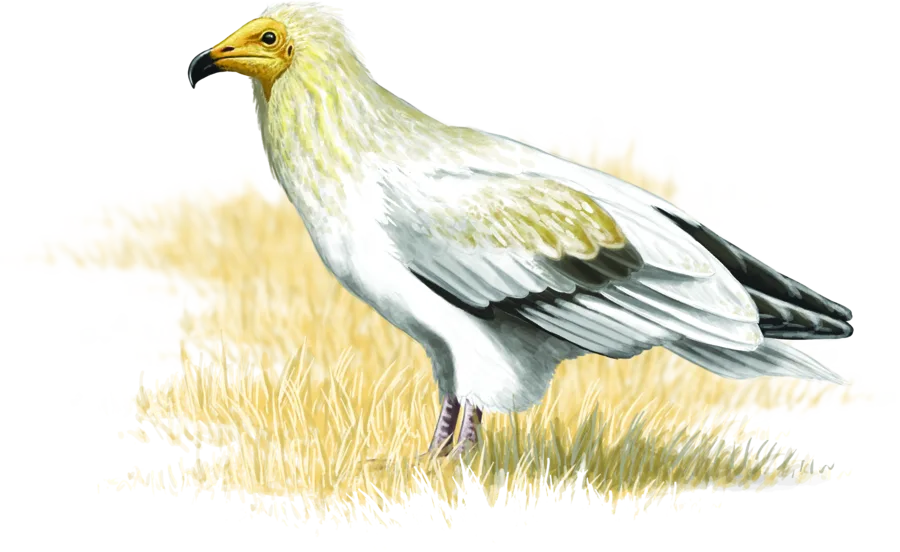 Aufrany
Neophron percnopterus
-
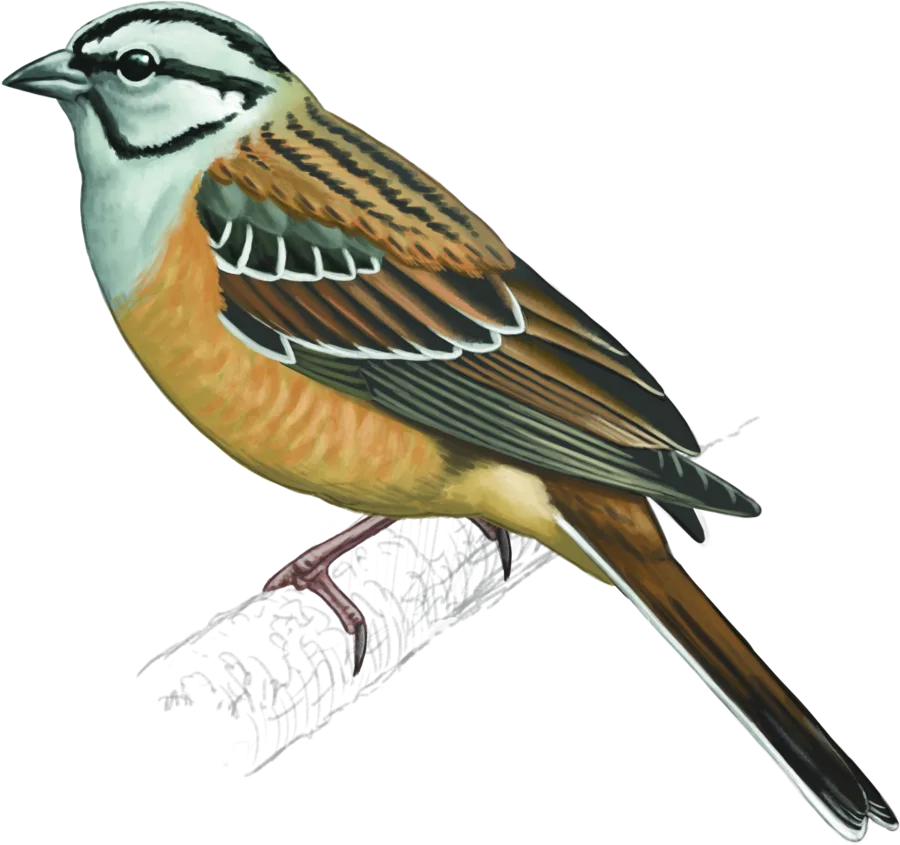 Black Seat
Emberiza cia
-
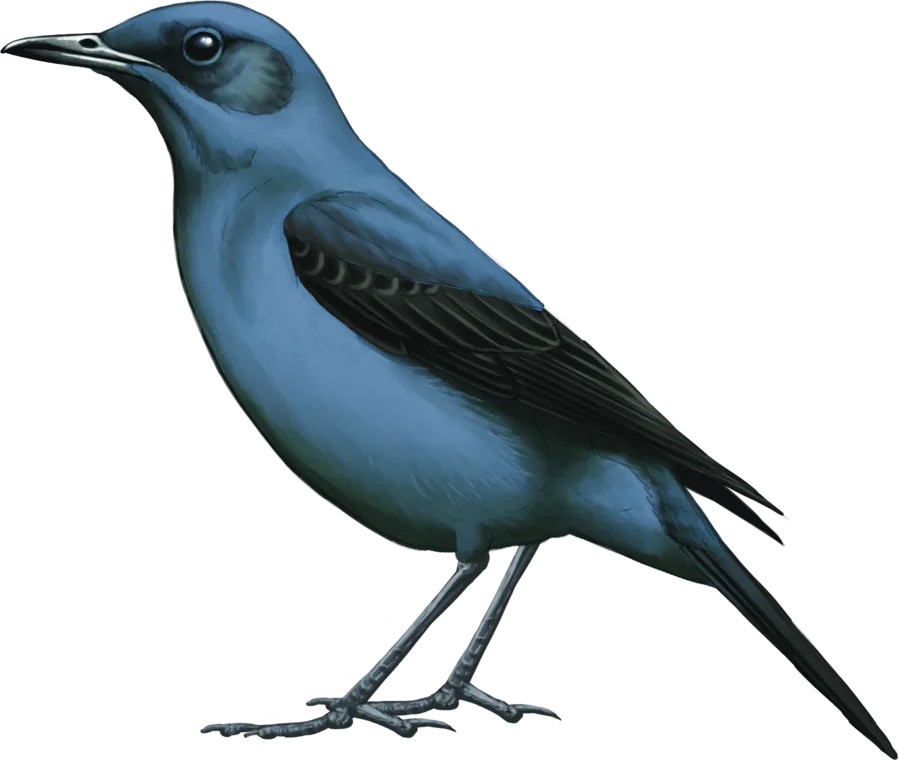 Blue Blackbird
Monticola solitarius
-
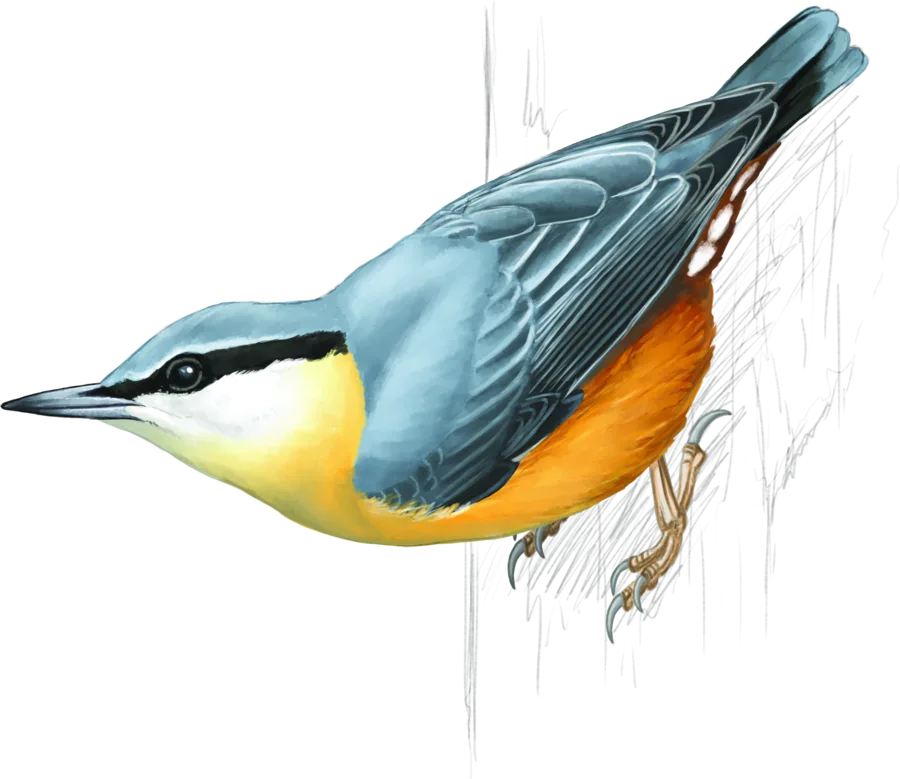 Blue Pickpicks
Sitta europaea
-
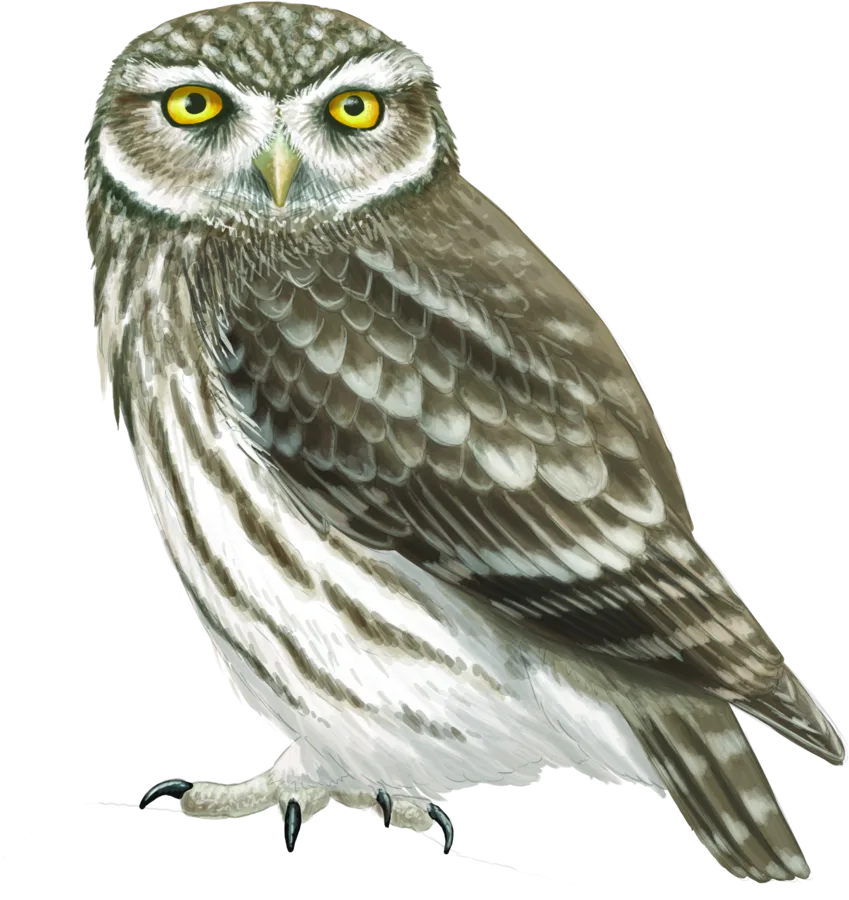 Common Owl
Athene noctua
-
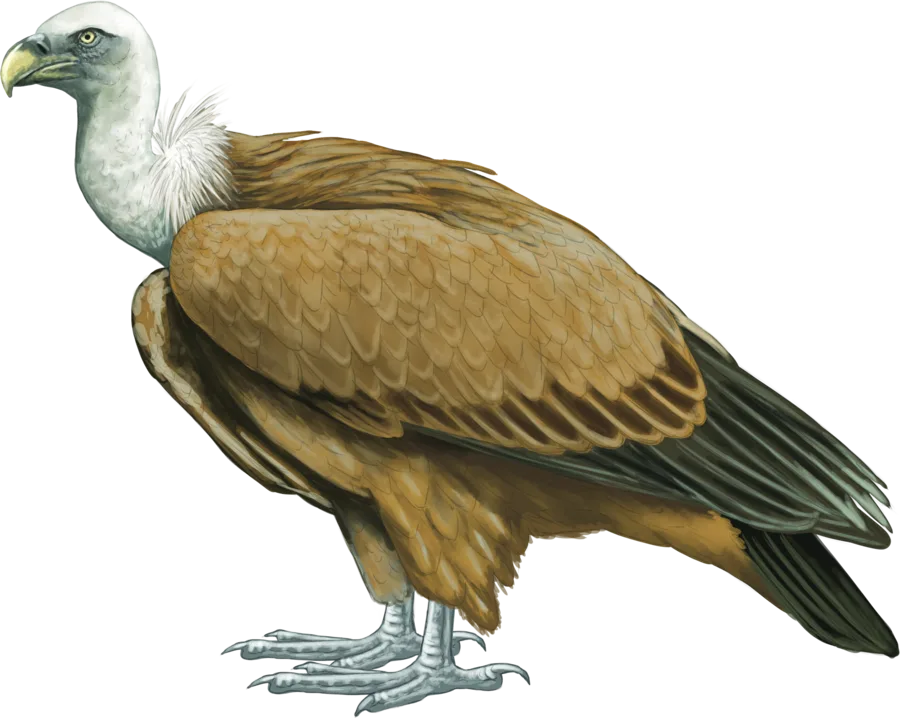 Griffon vulture
Gyps fulvus
-
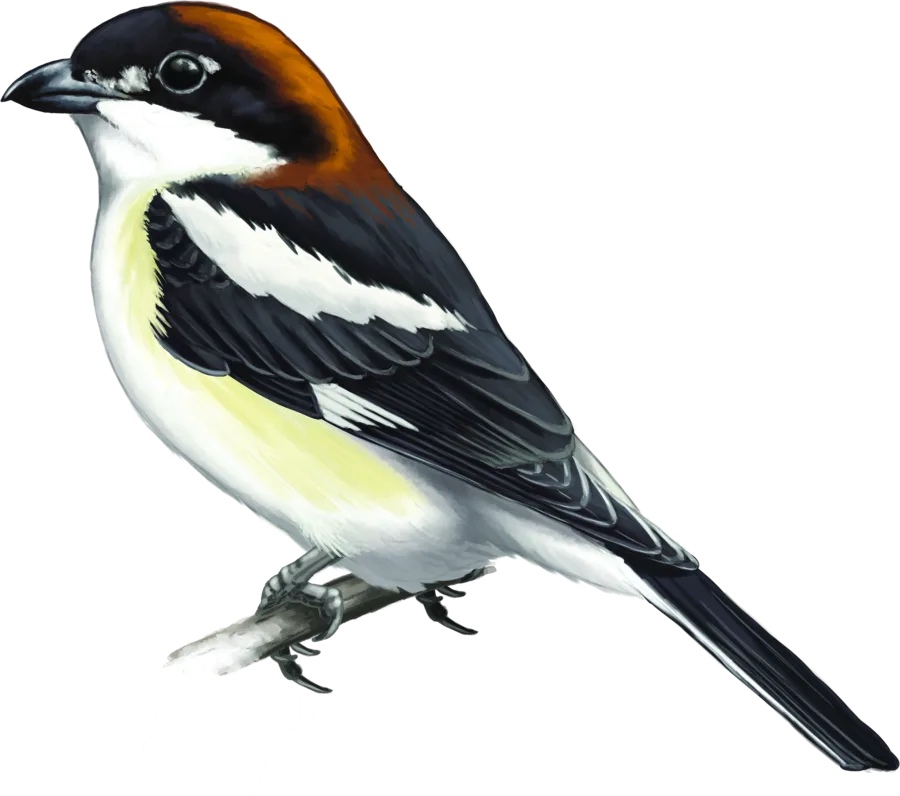 Capsigrany
Lanius senator
-
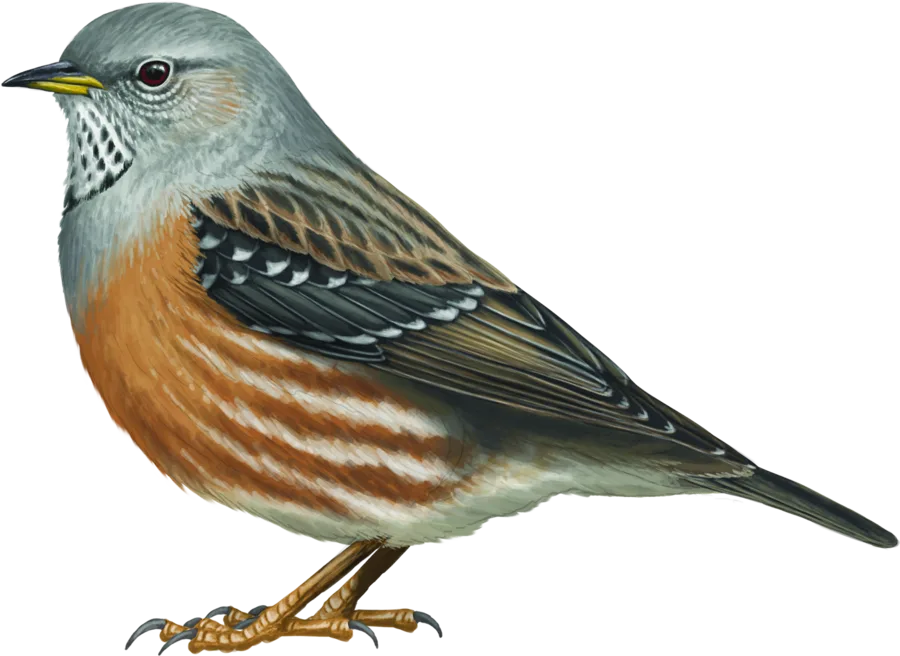 Paragons
Prunella collaris
-
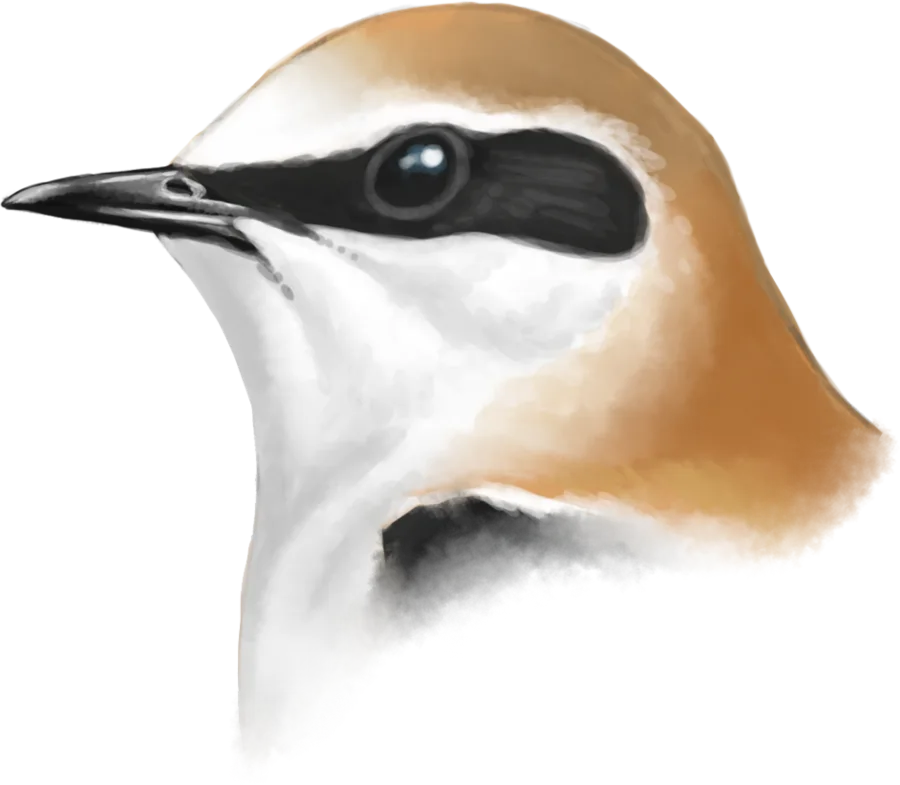 Pink collar
Oenanthe hispanica
-
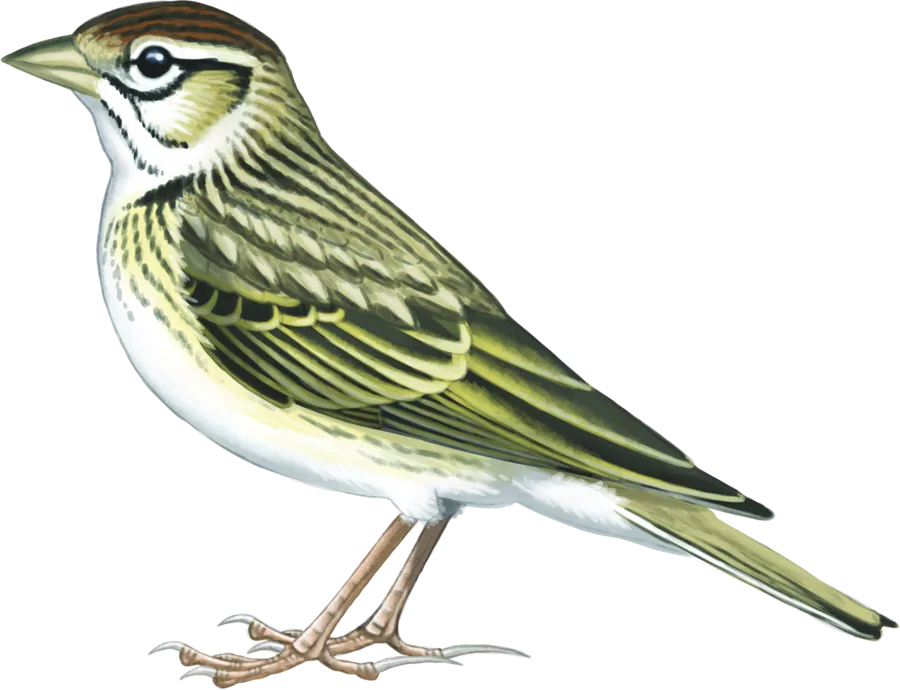 Common Ground
Calandrella brachydactyla
-
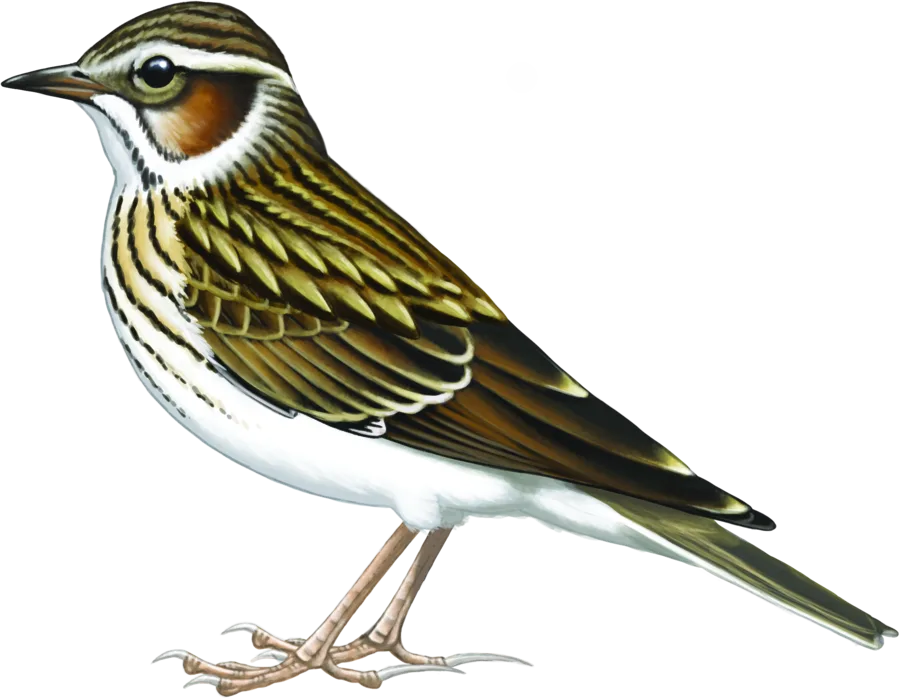 Cotoliu
Lullula arborea
-
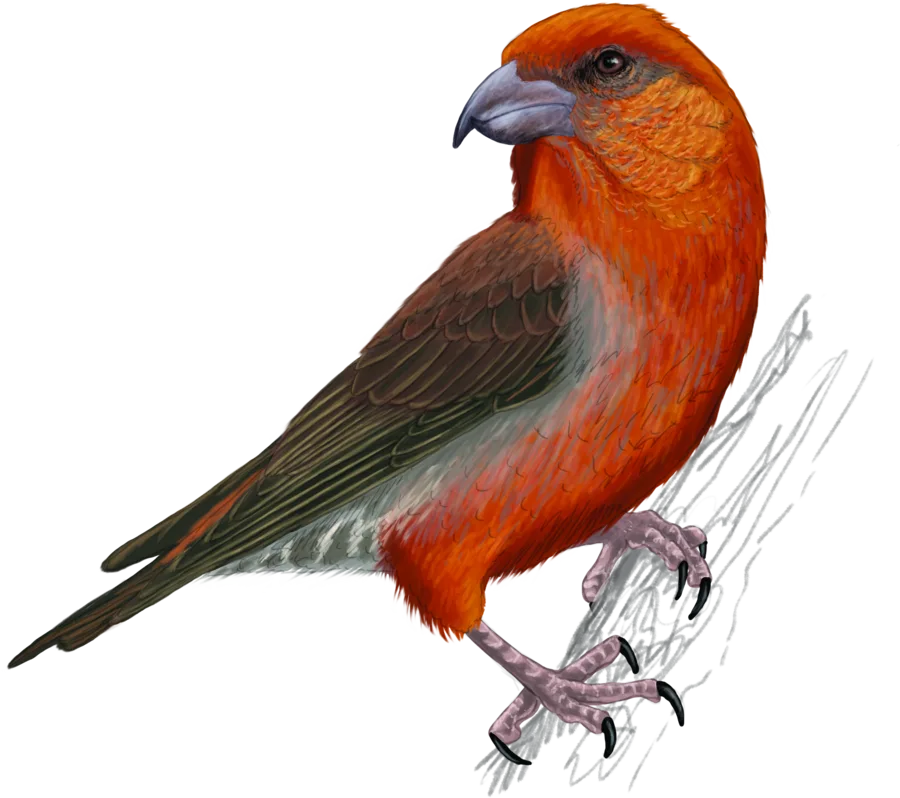 Crosshairs
Loxia curvirostra
-
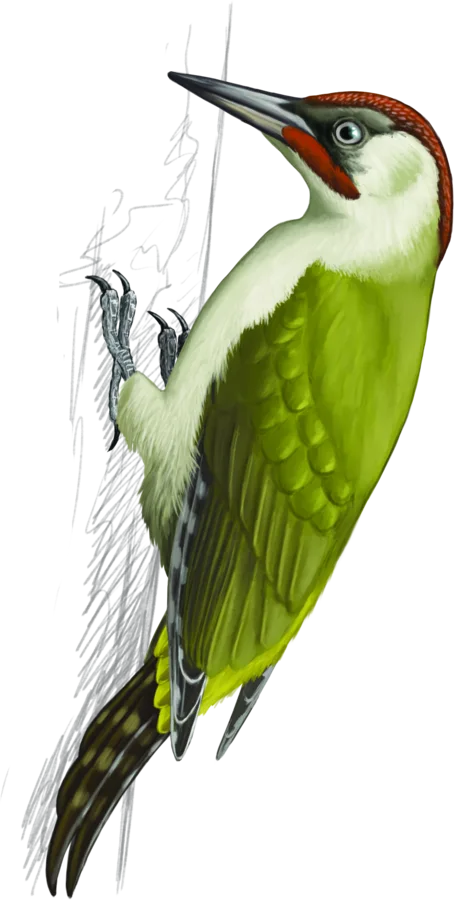 Green Woodpecker
Picus sharpei
-
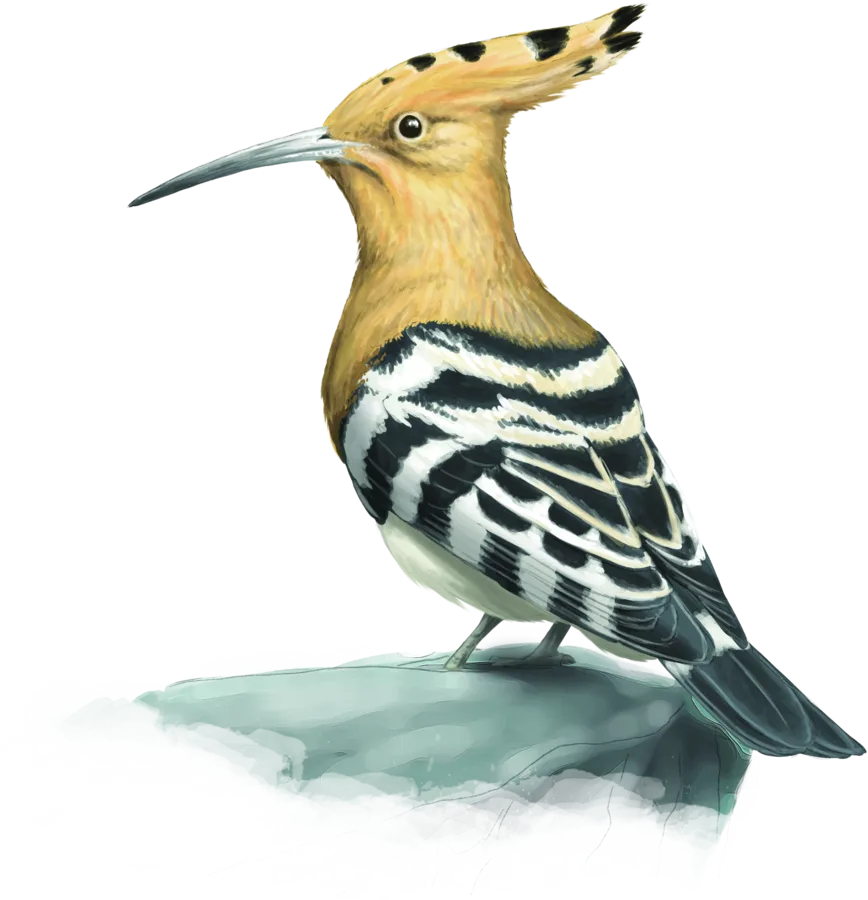 Puppet
Upupa epops
-
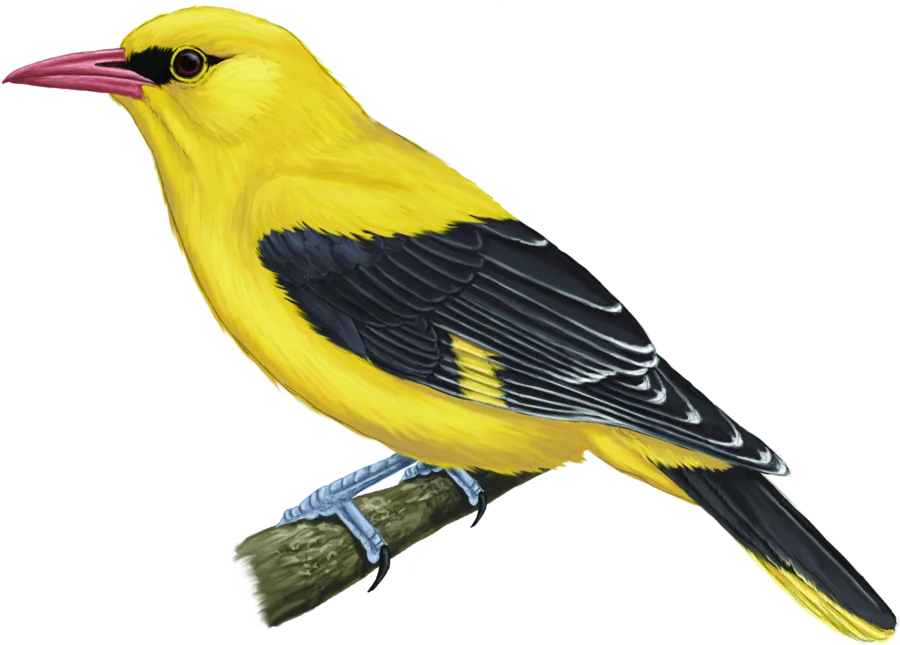 Oriol
Oriolus oriolus