
Museums and Interpretation Centres
The Carrova Archaeological Park, beside the Ebro axis (C-12), lets you visit two major monuments of the Terres de l'Ebre in one place. On one hand, the remains of an important Roman villa that was…
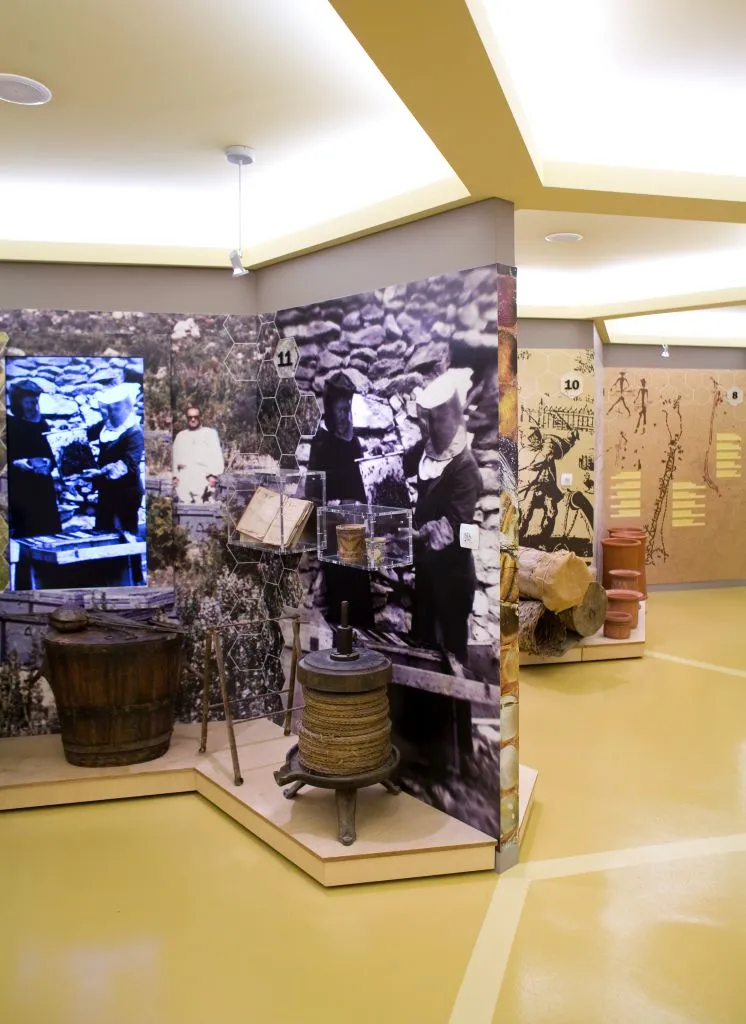
"Muria. Beekeeping Interpretation Centre" is an innovative initiative created by SAT Limitada Apícola del Perelló – Mel Muria, with the aim of spreading the culture and tradition of the world of…
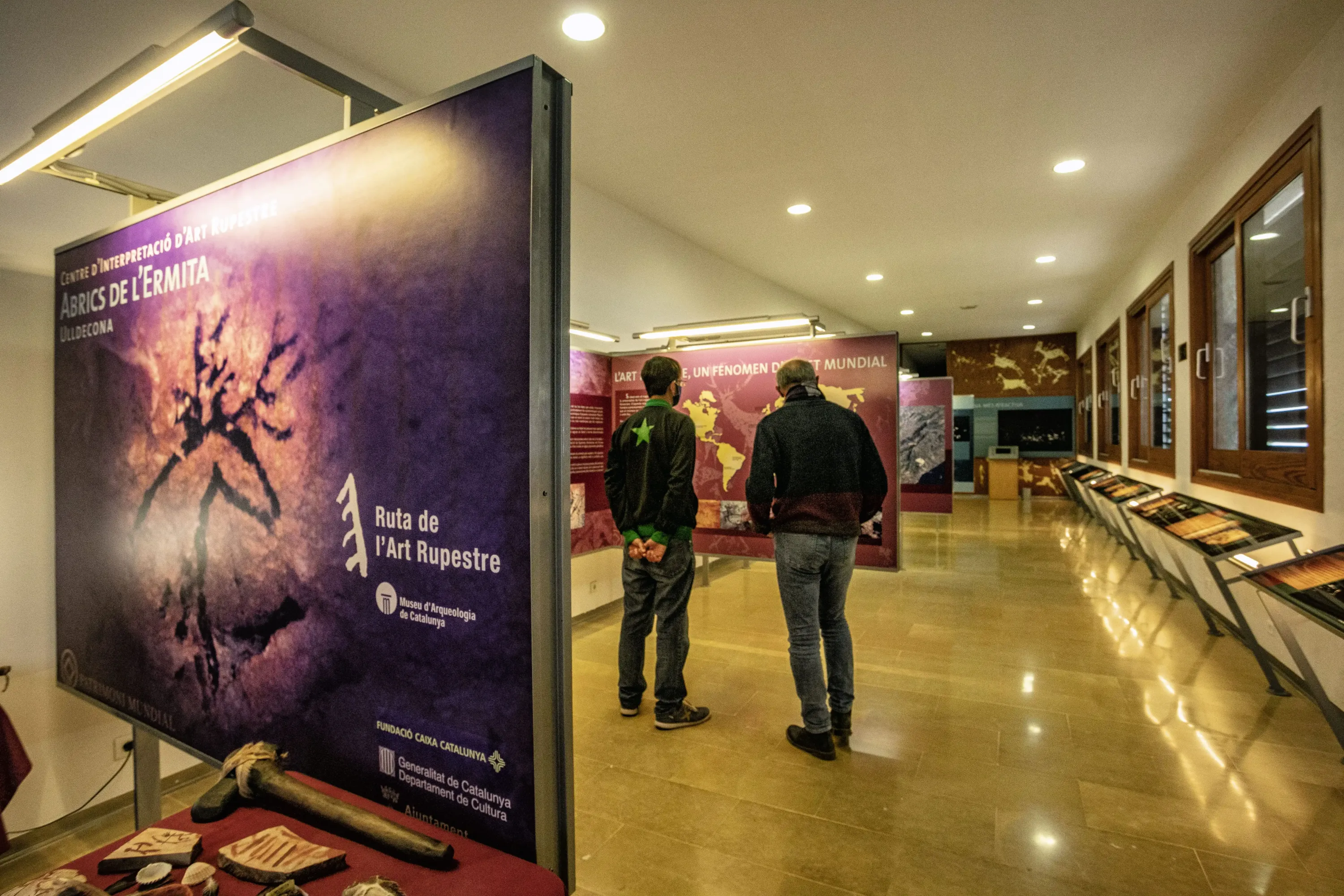
The Centre d'Interpretació d'Art Rupestre "Abrics de l'Ermita" (Rock Art Interpretation Centre), at the foot of the Ermita de la Pietat in Ulldecona, was created in 2006 to bring visitors closer to…
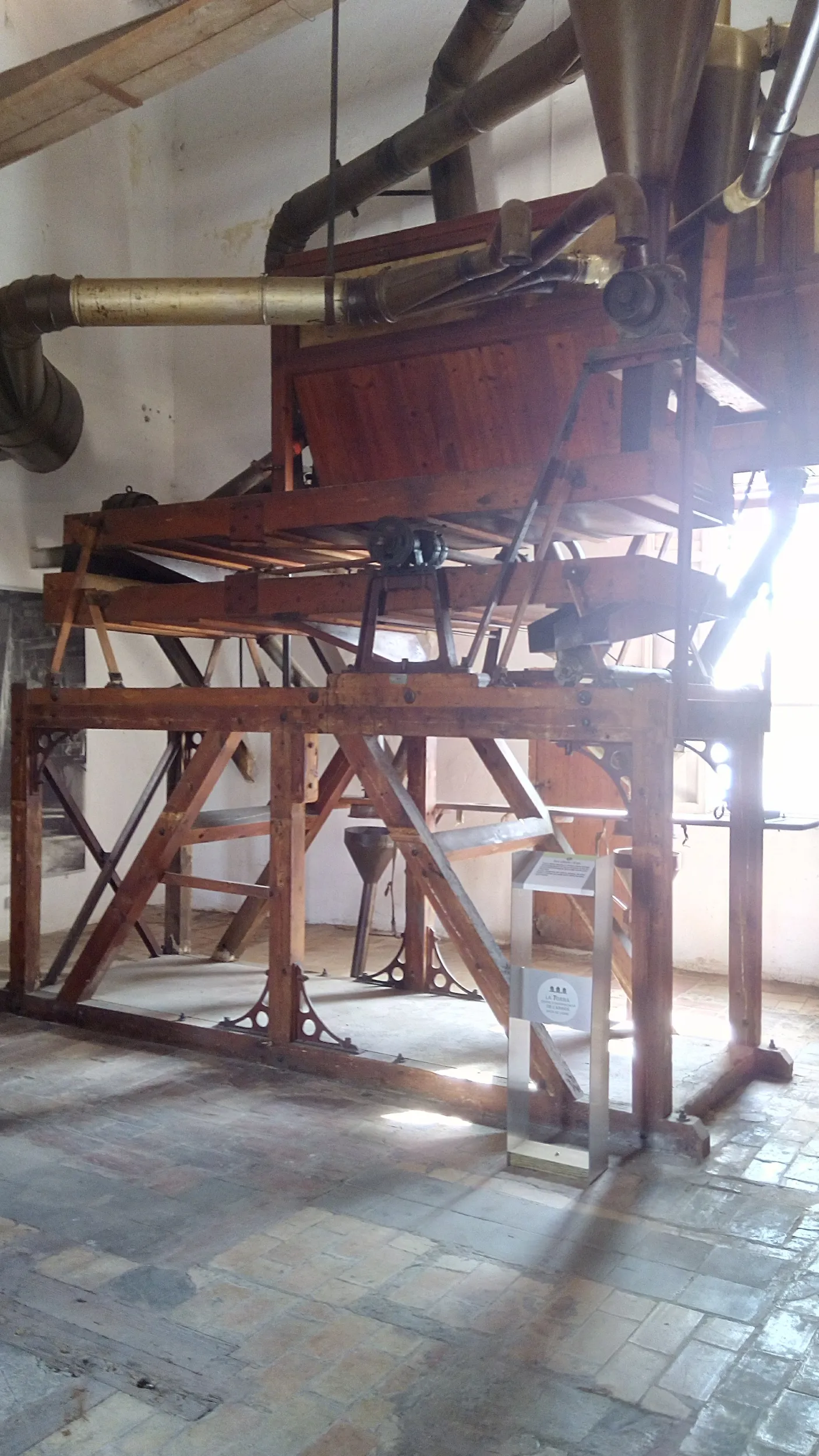
In the 20th century, the cooperative movement appeared in the Ebro Delta and rice cooperatives sprang up in large numbers, practically one in every municipality. At the beginning of the 21st century…
The Renaissance Festival Interpretation Centre (CIFREN) is a space that allows the Festa del Renaixement to take shape in a place of continuous activity, which manages and publicises the heritage the…
Beekeeping has been one of the traditional activities of the village of Arnes, in the Terra Alta, and, in keeping with that heritage, this interpretation centre was set up in 2008 on the ground floor…
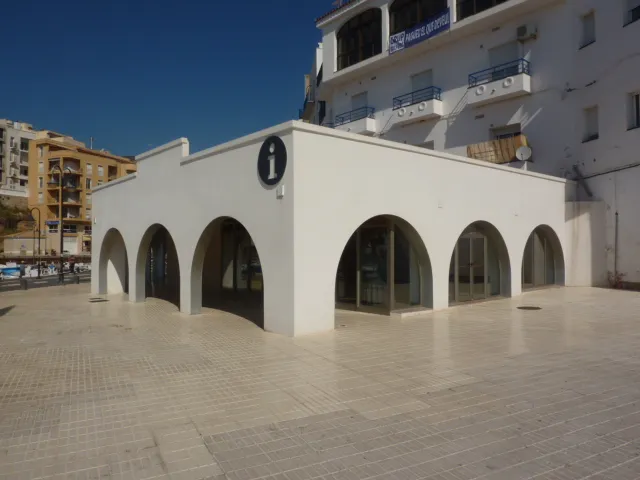
The Fishing Interpretation Centre of l'Ametlla de Mar is a multipurpose exhibition hall where various activities related to the maritime fishing sphere and seafaring culture take place.
Located in the Casal Municipal building, remodelled in the late 1980s from the premises known as "el Centro", it keeps its main façade formed by three portals with windows on each side. Since 2009…
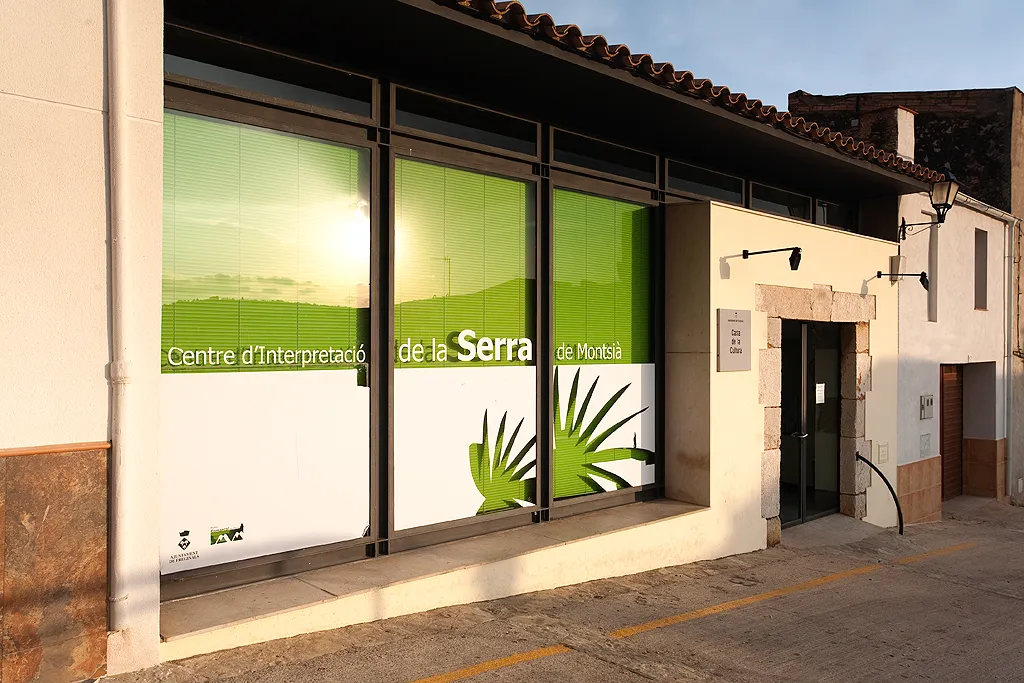
Located in the town centre of Freginals in a restored old farmyard, the facility explains and interprets, through a permanent exhibition, the natural values of the Serra de Montsià, together with the…
The Holy Week Interpretation Centre is located in the former church of Sant Antoni Abat, largely destroyed in the last Civil War and recently rebuilt specifically to house it. It holds the most…
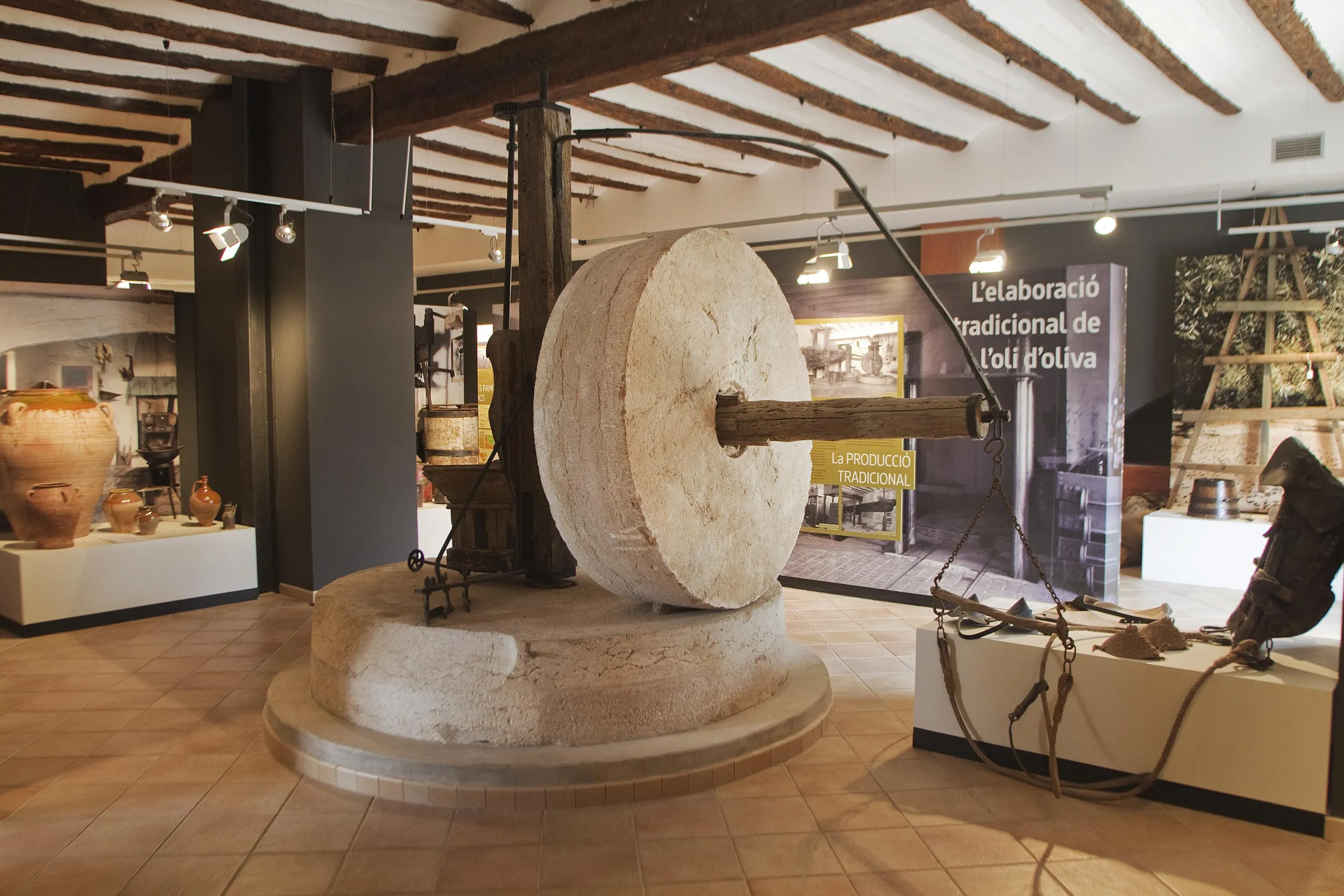
It is located in the old oil mill of the Martí masada (farmstead), one of the oldest in Santa Bàrbara, which has been restored to house the interpretation centre. The permanent exhibition explains…
The Interpretation Centre of the Barraques del Delta de l'Ebre (traditional Delta huts) aims to preserve, value and spread this way of life of our parents and grandparents; a hard and humble way of…
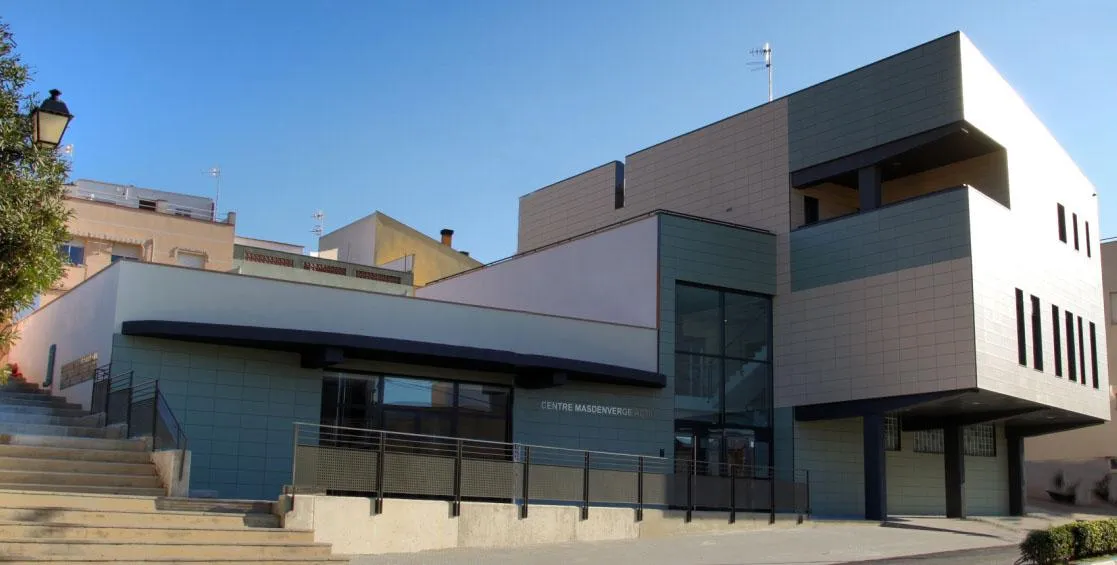
Located in the Masdenverge Actiu building, the Viure al Poble (Living in the Village) interpretation centre shows the diversity of the municipality's natural areas and the traditional ways of life…
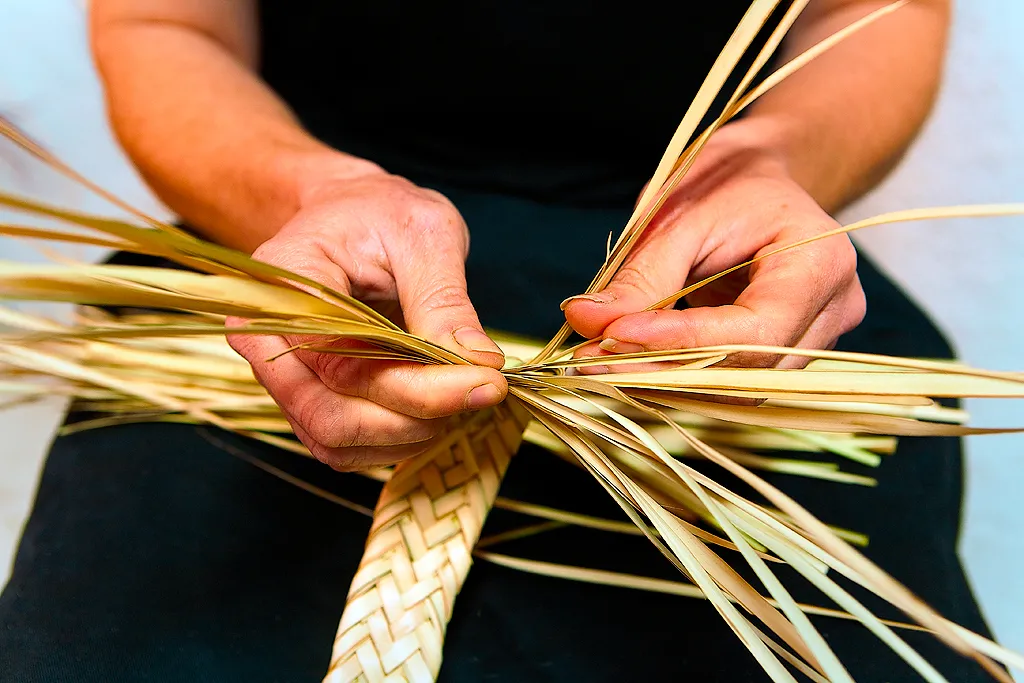
Craft demonstrations and workshops using different plant fibres, adapted to different ages and levels.
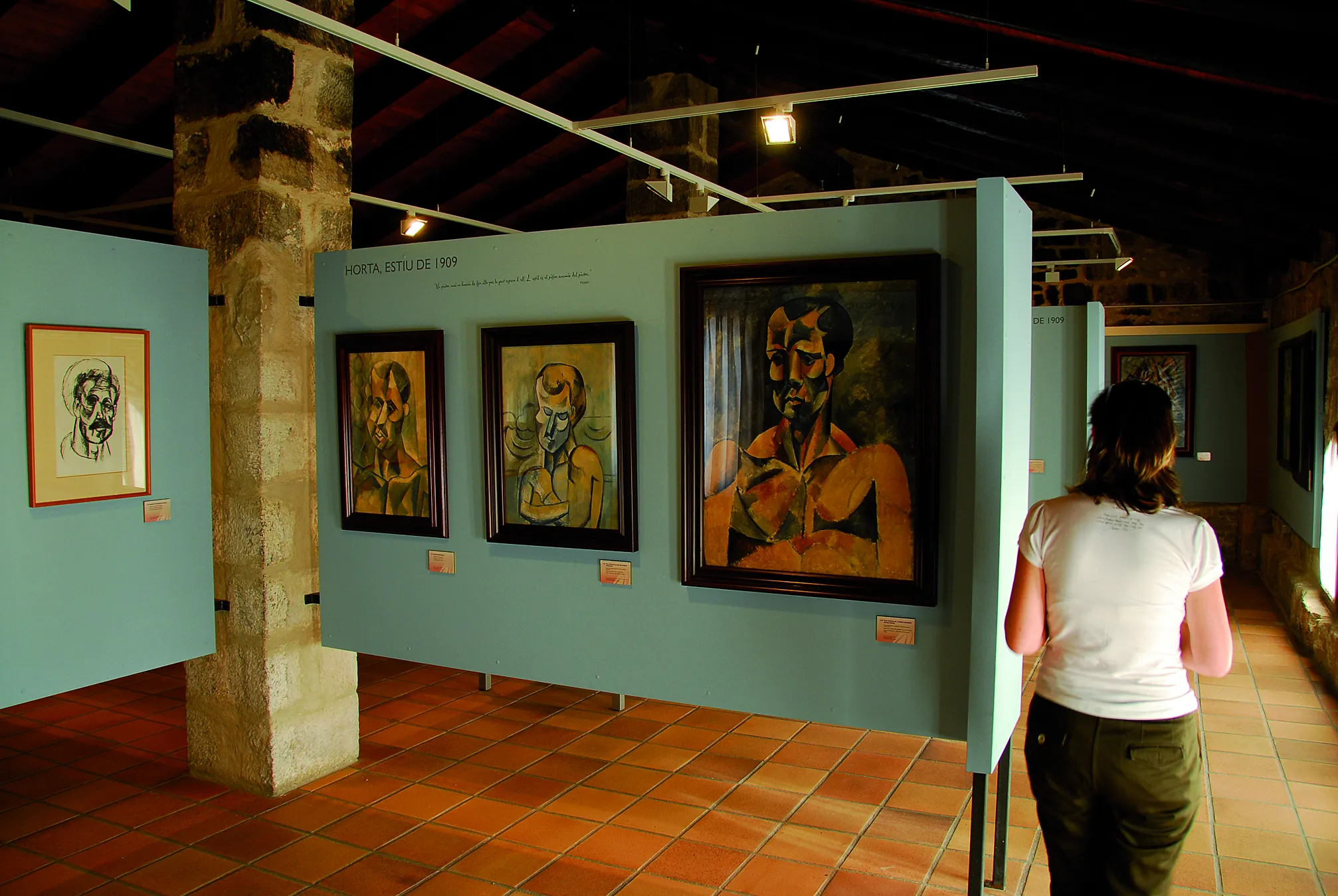
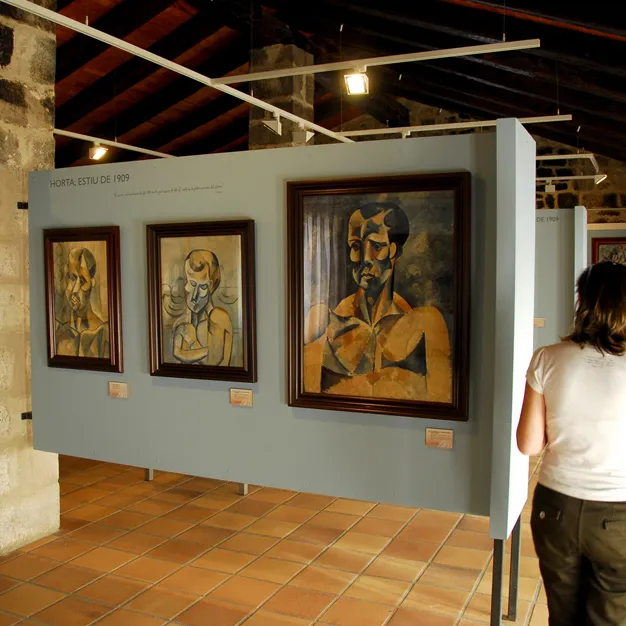
To preserve and promote the legacy the Málaga-born painter left in this municipality, the Picasso Centre displays facsimile reproductions of almost 200 works made during the two stays the artist…
This centre introduces visitors to everything related to the Ebro Delta. The route lets you discover the area's typical natural environments, such as the river, the lagoons, the rice fields and the…
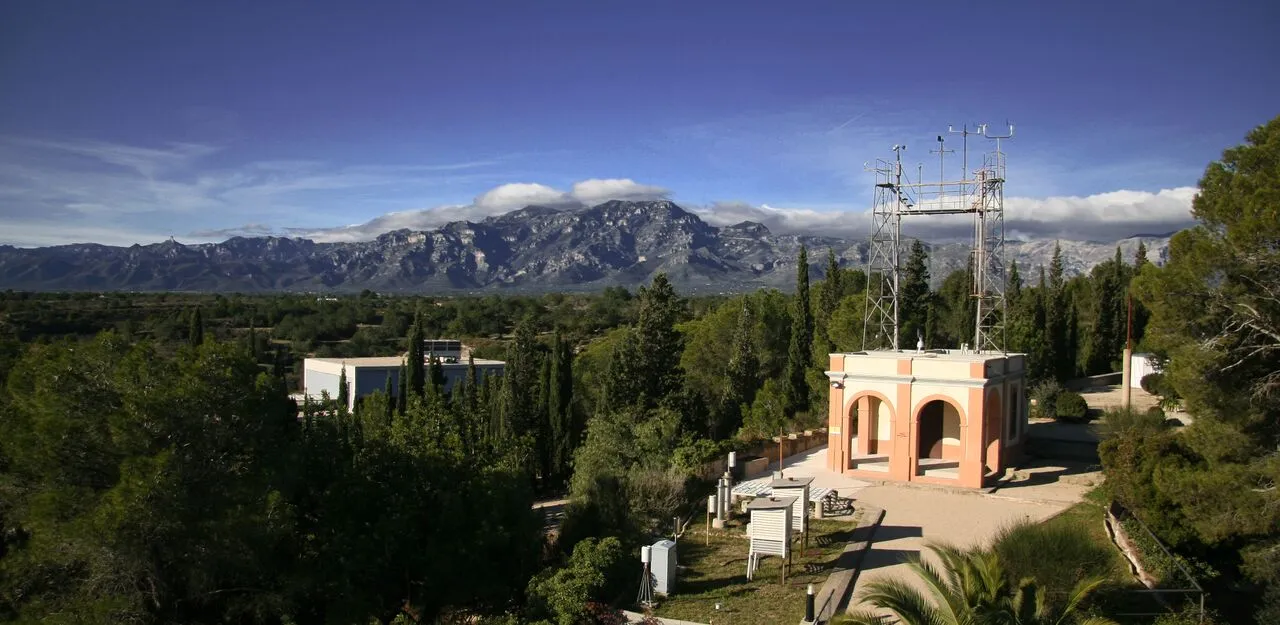
The Ebro Observatory, on the outskirts of the town of Roquetes, is a research institute founded in 1904 to study meteorology and the relationships between the Sun and planet Earth. The continuity and…
The Els Ports Ecomuseum, in a building in the historic centre of Horta de Sant Joan, uses various media to showcase the natural heritage and cultural identity of these mountain regions. There are…
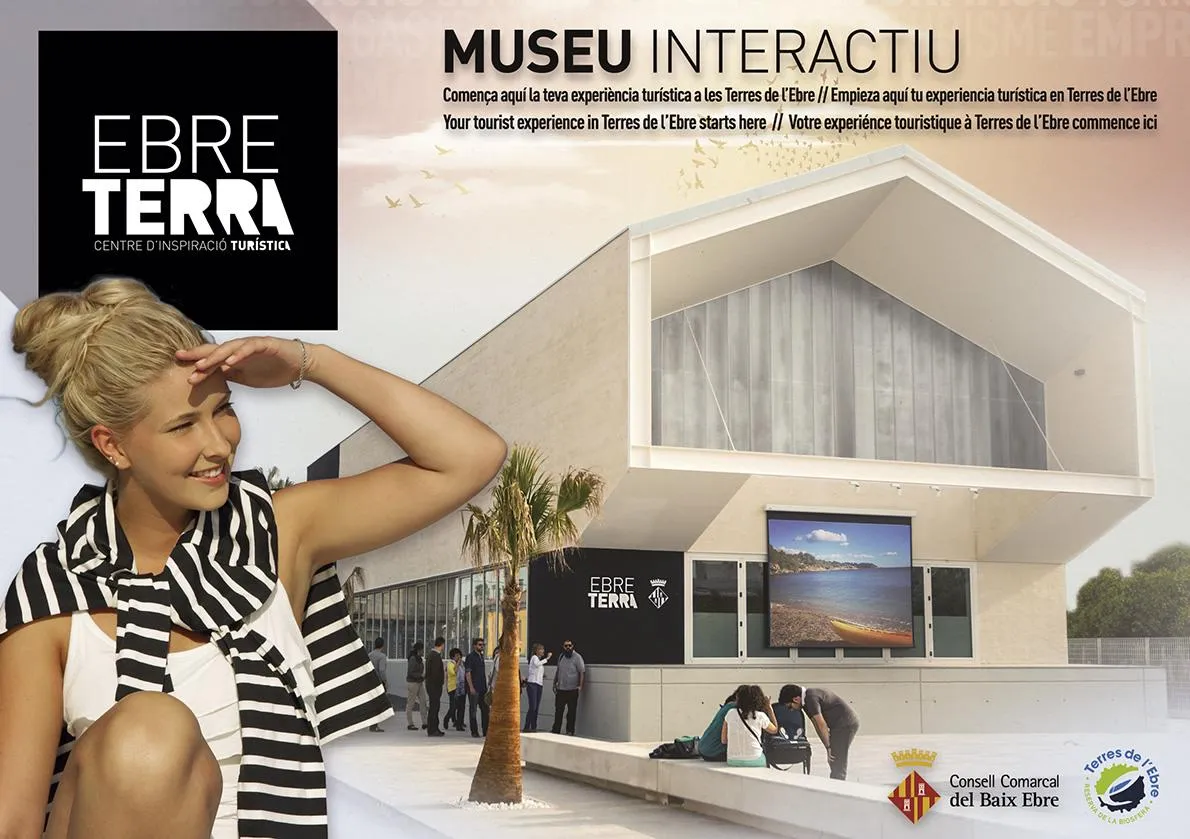
EbreTerra is a tourist centre promoting the Baix Ebre that houses the County Tourist Office, an interactive museum space, cooking classrooms, a local produce shop and several conference and…
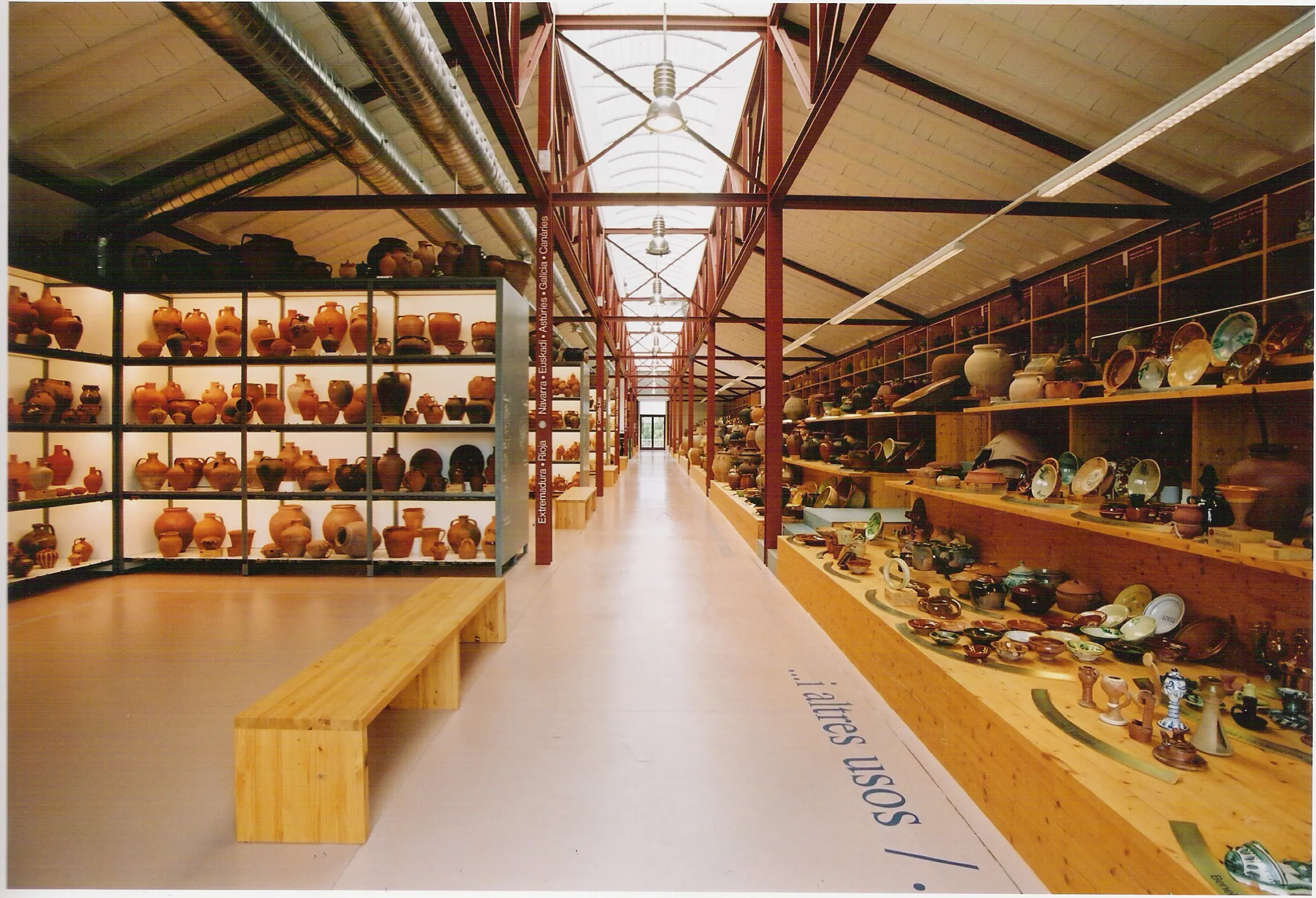
Pieces from more than three hundred pottery centres from all over Spain and Portugal, as well as from Morocco.
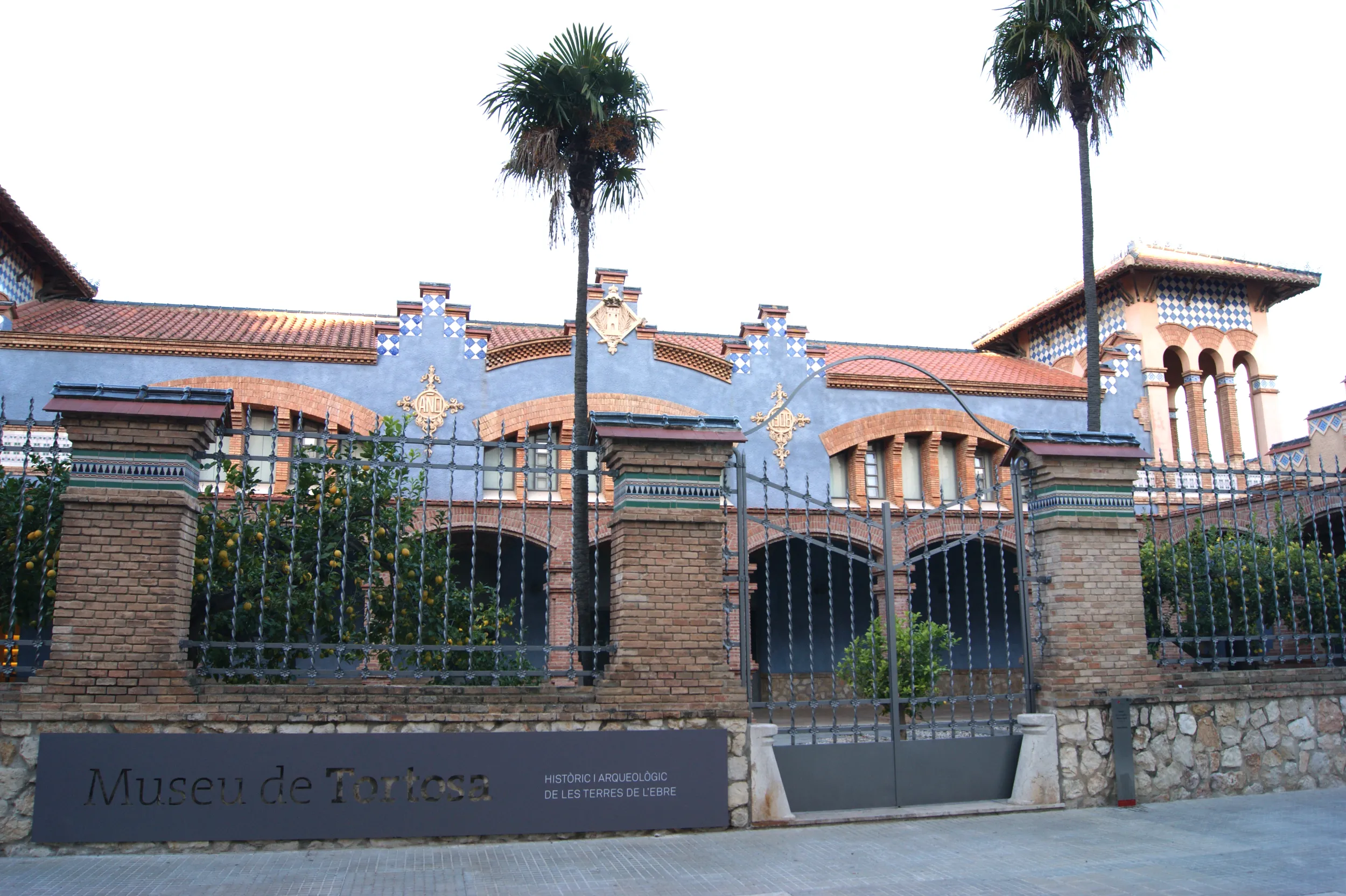
The Museum of Tortosa is housed in the city's former slaughterhouse. It is in the Sant Jaume district, next to the River Ebro, and is considered one of the finest Modernista works in the city.
La Casa de Fusta (the Wooden House) is one of the most emblematic buildings in the Ebro Delta. It was built in the late 1920s by a group of hunters who settled in the Delta, drawn by the number and…
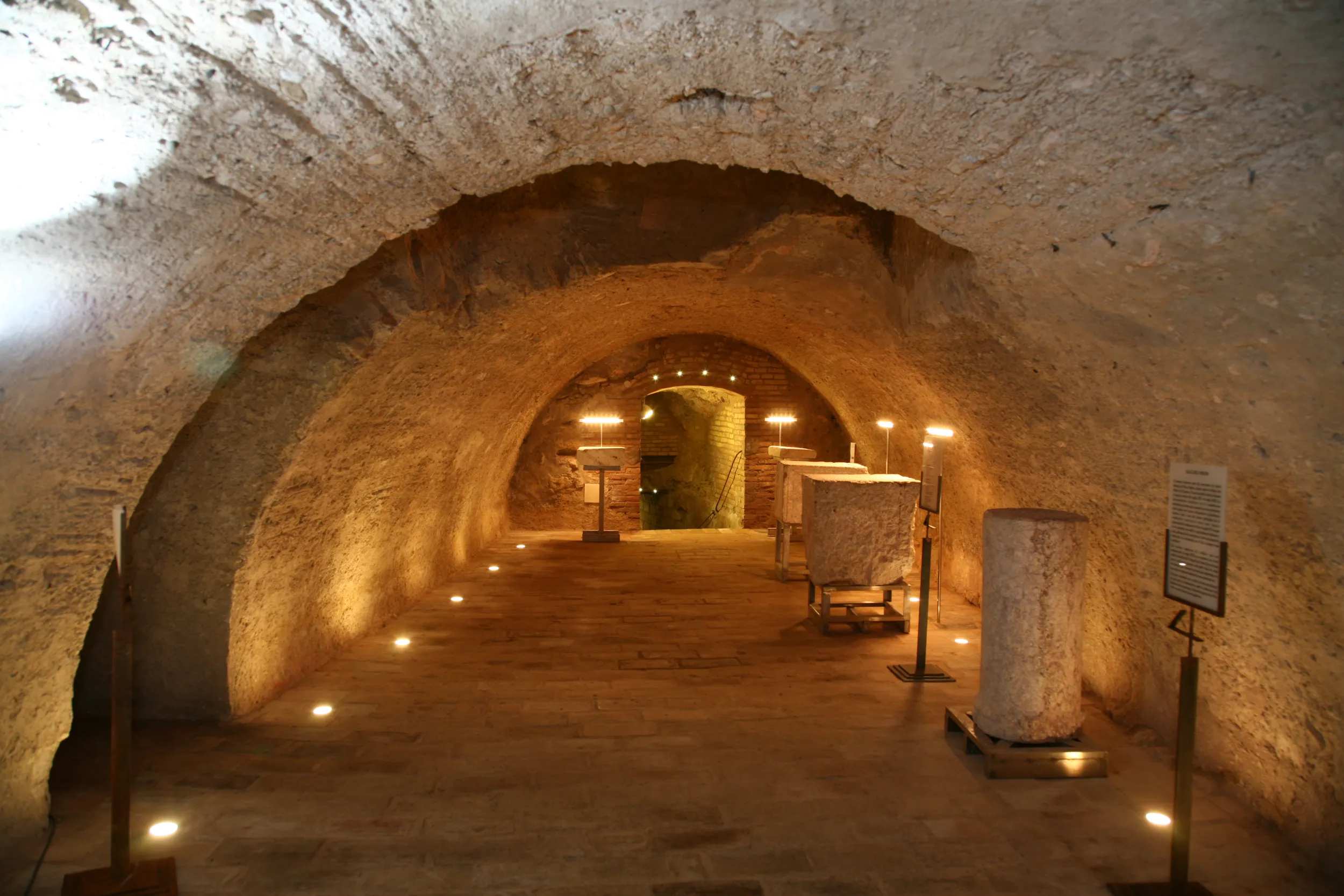
The Cathedral Museum is a magnificent space to enjoy the religious art accumulated over nine centuries in the Cathedral of Tortosa. The display includes 200 pieces, among paintings, sculptures…
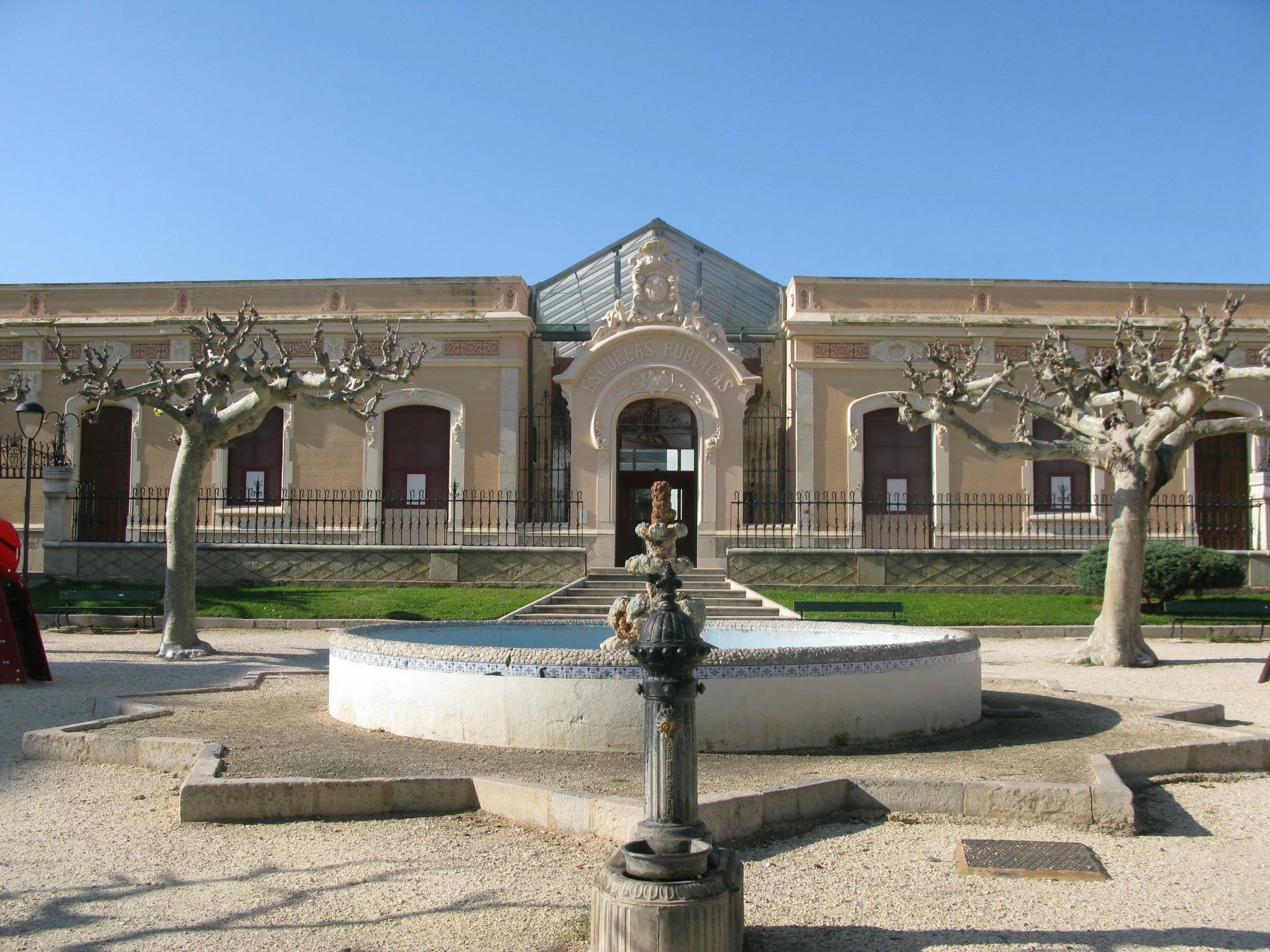
The Museum of the Terres de l'Ebre, in Amposta, has the most important collections of objects related to the nature, archaeology and ethnology of the Montsià region.
Immerse yourself in the history of rice making in the Ebro Delta, its culture, its craft tradition and a world of culinary sensations given off by the typical rice of the Ebro Delta: "Molí de Rafelet…
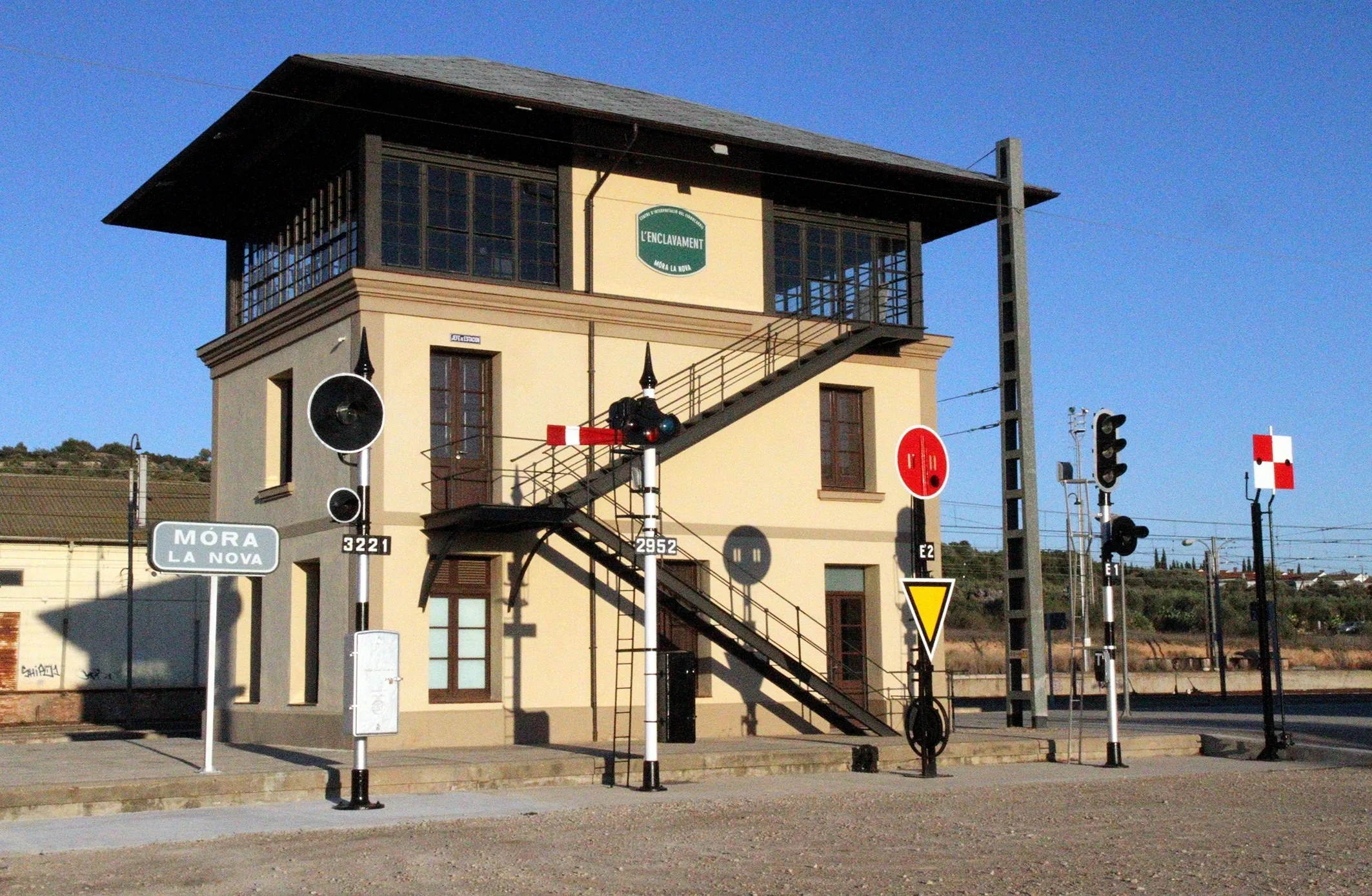
Today visitors can enjoy a guided tour that includes the restored signal-box building, which houses one of the first electromechanical station control systems in Europe, the 23-metre turntable, and…
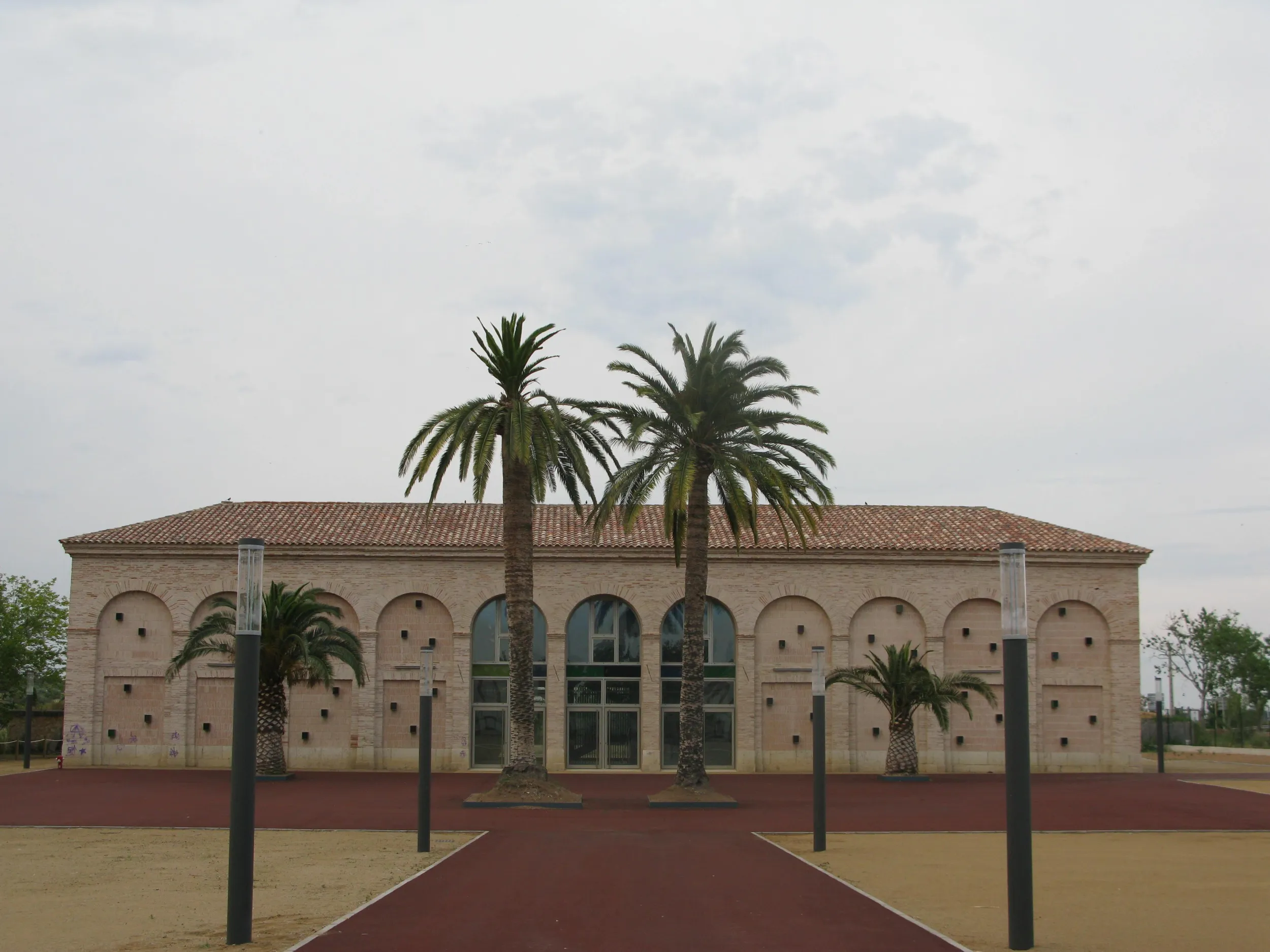
Recently created, the Museu de la Mar de l'Ebre houses, on the first floor, two permanent exhibitions: "La Mar de l'Ebre: del cap de Terme a Sòl-de-riu" and "La Mar de l'Ebre: terra de pescadors i…
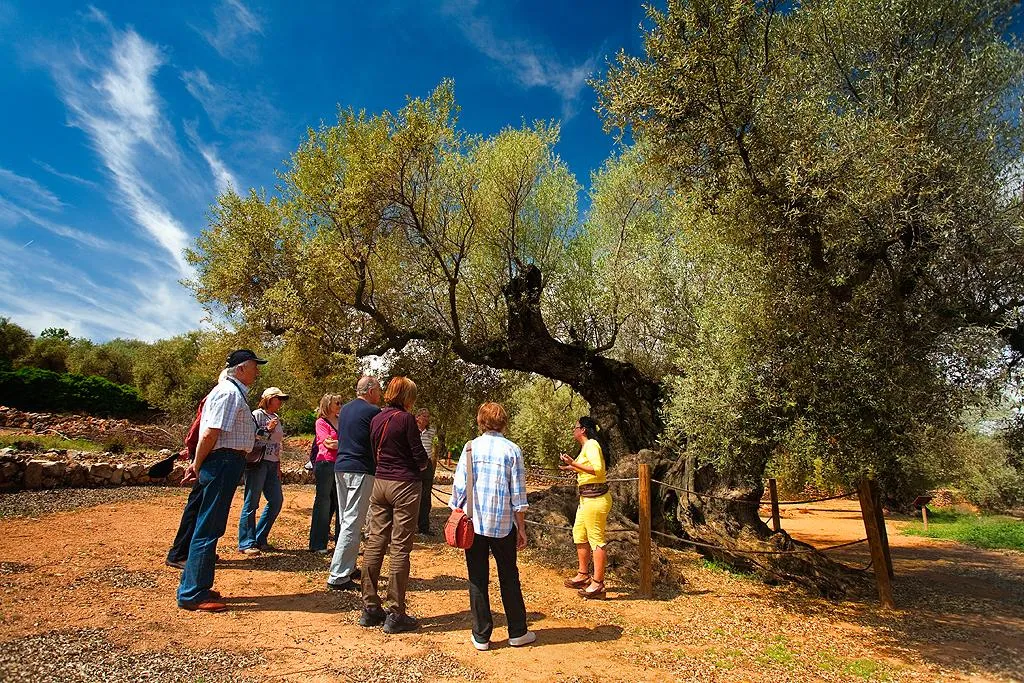
During a walk of about one hour through the Fondo de l'Arión, you can see the 40 Millennial Olive Trees that make up the Natural Museum of the Millennial Olive Trees of l'Arión in Ulldecona.
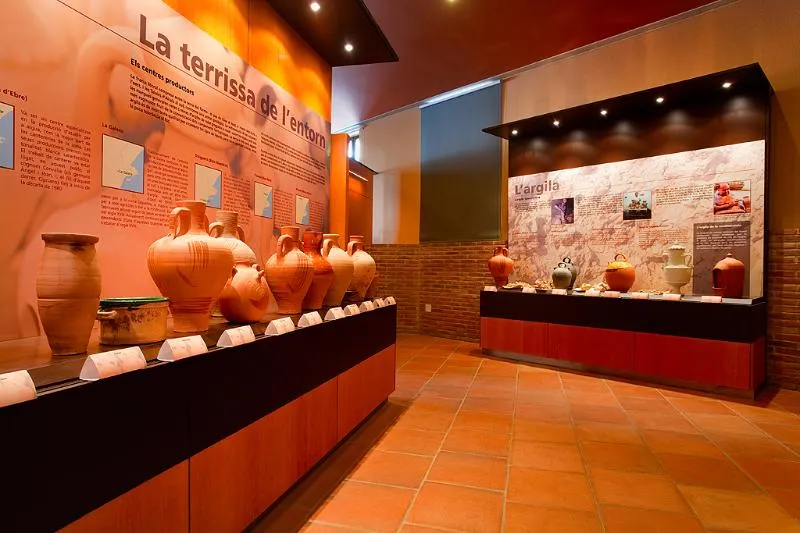
This interpretation centre introduces visitors to the process of making pottery objects, a traditional activity deeply rooted in the village of la Galera (Montsià).