Itinerary 2. The Fangar Bay
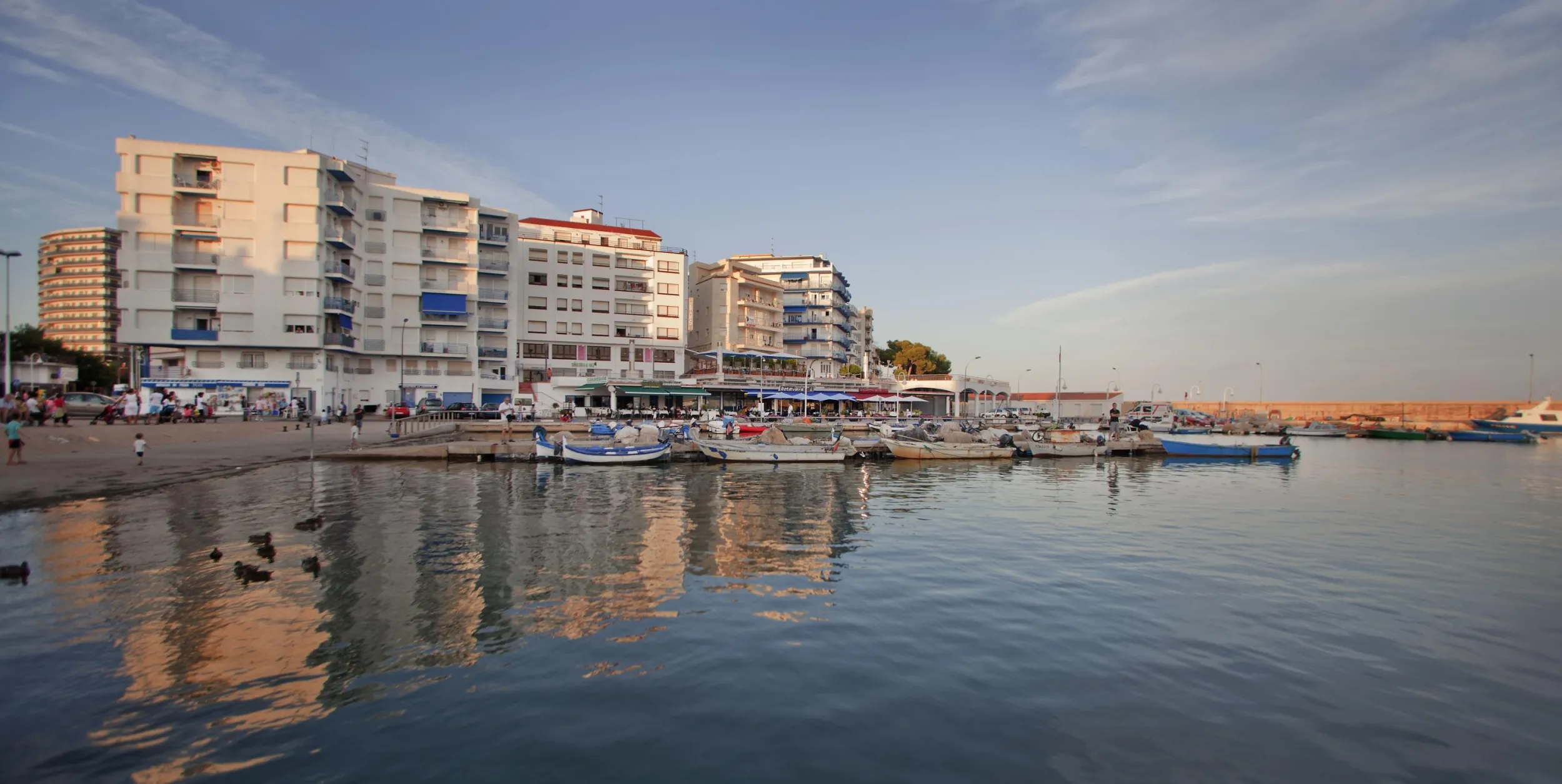
We begin our route at the port of the coastal municipality of l'Ampolla. Sheltered from the wind are several species of gulls, such as the Mediterranean gull and Audouin's gull, resting on the quays and boats.
- Distància
- 14.6 km by car + 200 m on foot
- Durada
- 1 day
- Punt de partida
- L'Ampolla
- Tipus de ruta
- Linear
- Desnivell
- ↑ 0 m · ↓ 10 m
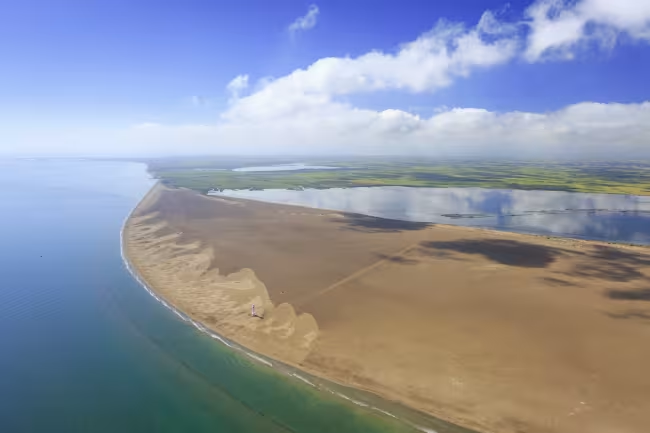
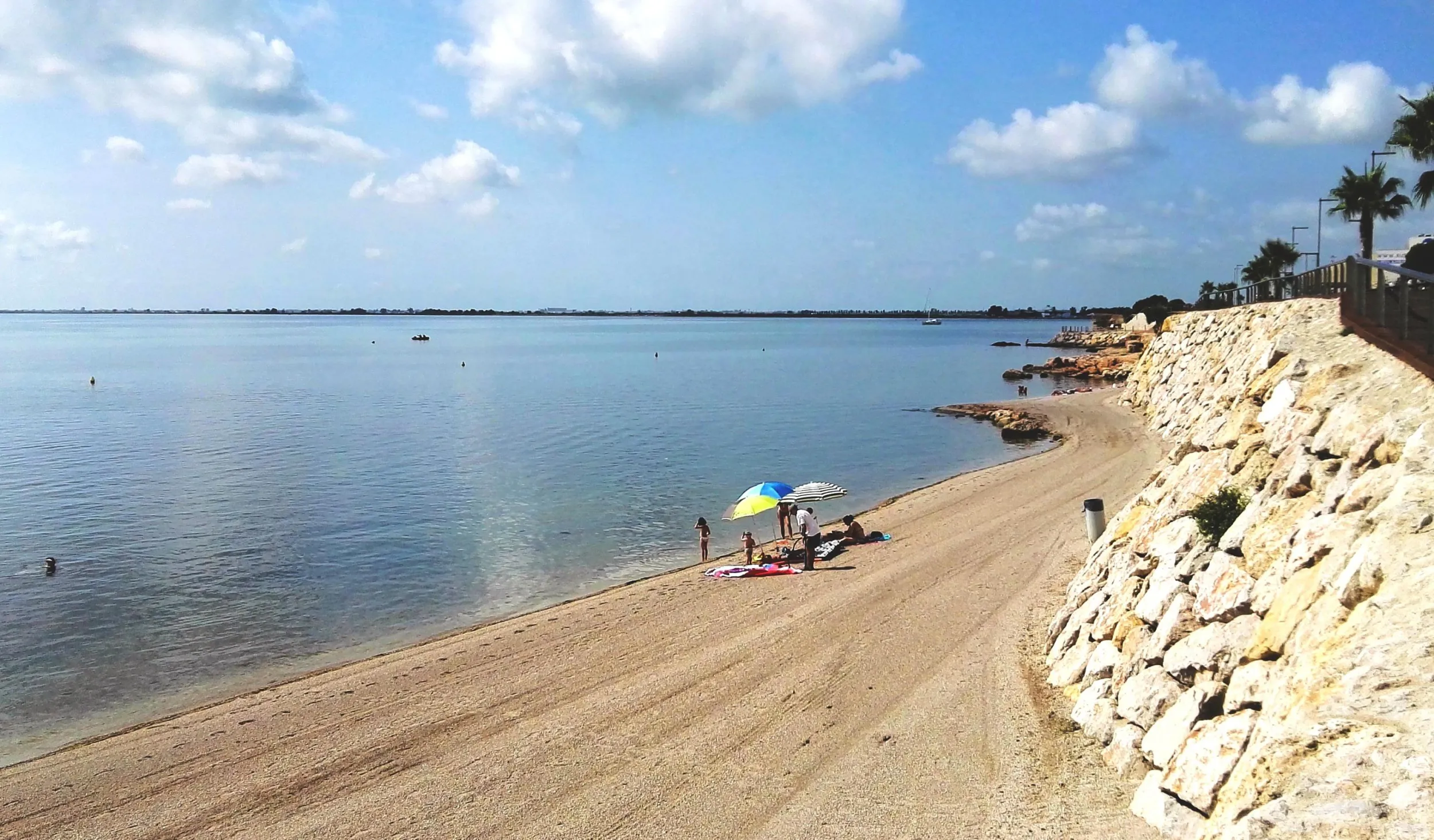
We continue driving along the edge of the entrance to Fangar Bay, visible from points with a certain elevation, where we will already spot some of the seabird species typical of these areas, such as the Slavonian grebe, the black-necked grebe and, throughout the winter months, sea ducks such as the common scoter and the velvet scoter, or the great northern diver.
Once we have skirted the bay and the beach of l'Ampolla, we take the TV-3401 towards Deltebre and, a few kilometres on, find a turn-off on the left that will lead us to the Bassa de les Olles. Here we can see different species of ducks, while gulls and terns briefly leave the salt water to rest and drink in this pool. But perhaps the most interesting thing is the reed beds surrounding it, where from March we constantly hear the buzzing song of the common grasshopper warbler, surrounded by large numbers of great reed warblers and Eurasian reed warblers busy claiming territory and finding a mate.
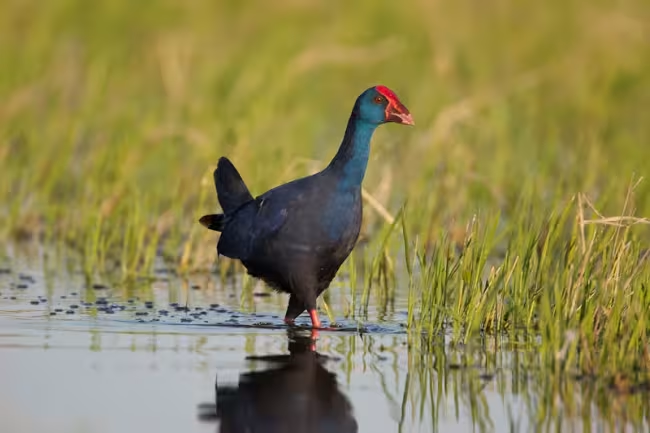
We drive along a dirt track to the Gola de les Olles. In this pool, which connects with the sea, a good variety of gulls and terns can often be seen at close range. We enter the bay from its northern side. From here we always follow the dirt track that skirts, on one side, the shallow water of the Fangar, and on the other the green-filter reed beds (flooded areas with reeds that help improve water quality), where it is worth stopping to look for birds such as the little bittern and the purple swamphen and to scan the groups of ducks to spot the white-headed duck and the marbled teal, rarities in the Delta but which have one of their best sites here.
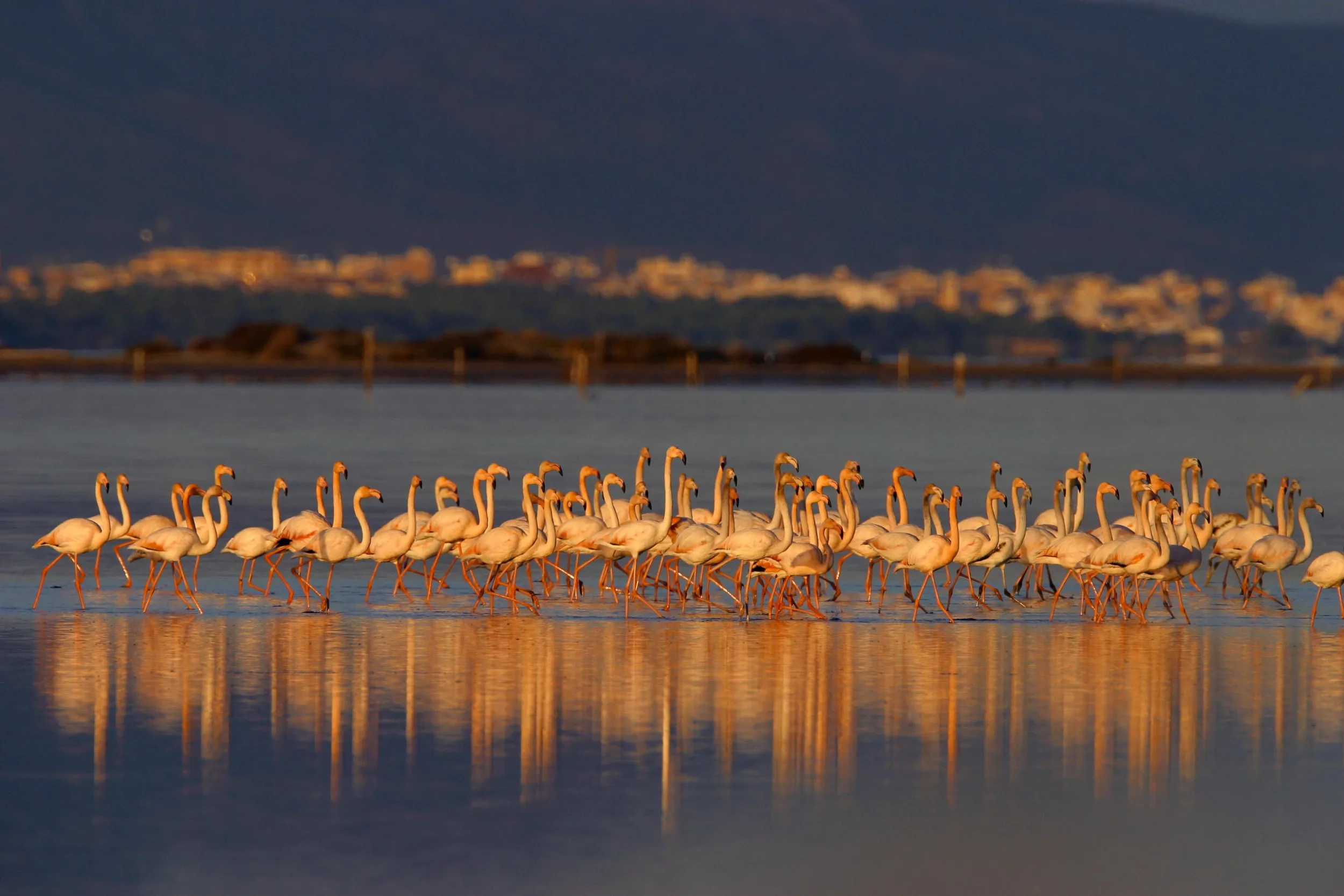
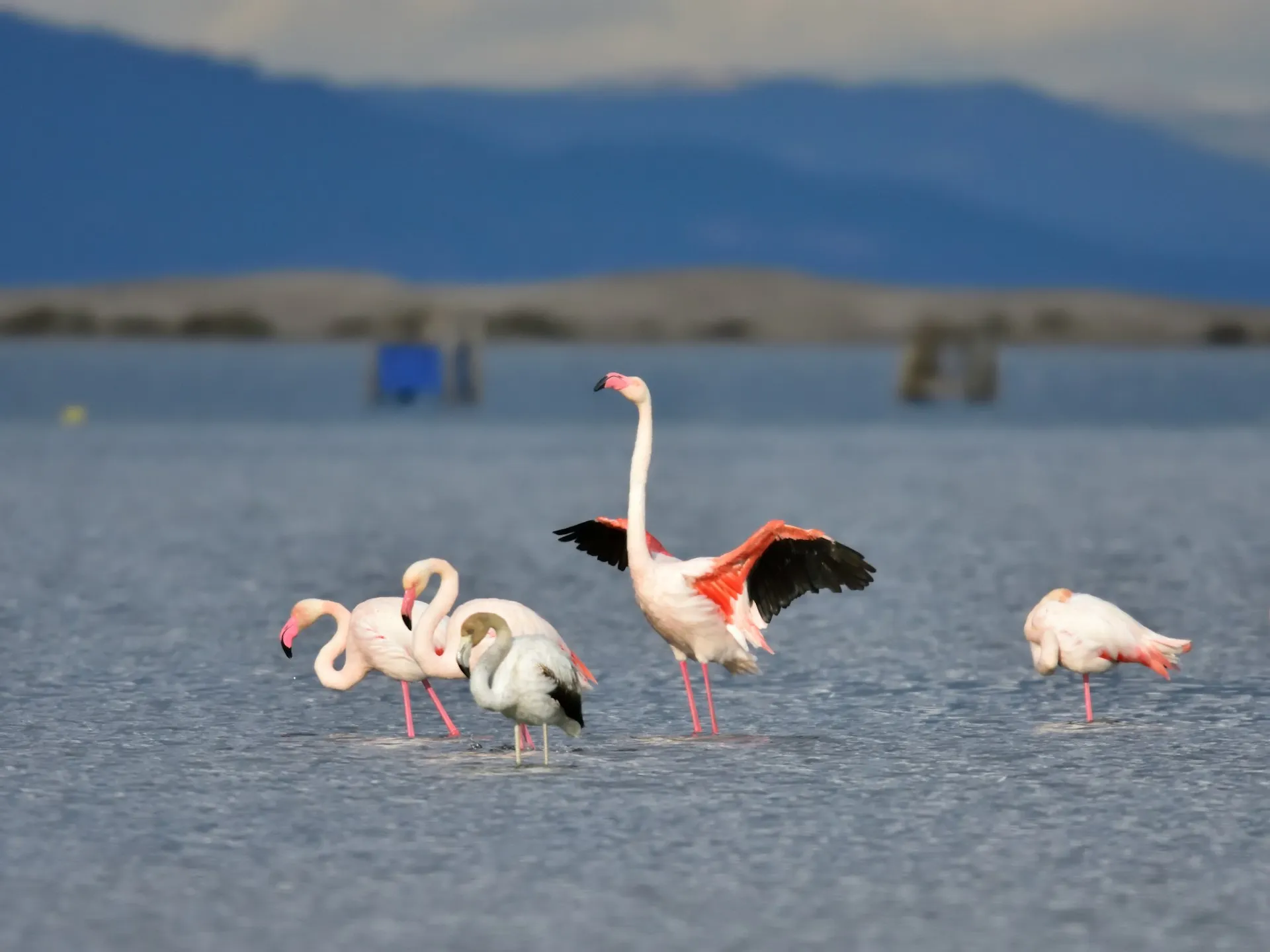
At the Fangar during migration seasons thousands of waders gather to build up energy from the invertebrates they find in the mud. With good optics, oystercatchers can be seen all year round at the tip of the last sandbar. Hundreds of flamingos add colour to the area. It is worth stopping at the port of Illa de Mar, where, among the waste from oyster and mussel harvesting, ruddy turnstones are not hard to spot.
In the furthest parts are most of the red-breasted mergansers that winter in this area, often diving among the mussel farms. We follow the track southwards until we need to turn inland, when we cross some of the best rice fields in the Delta for birdwatching, especially in winter, when large numbers of plovers, sandpipers, redshanks and snipes will keep us well entertained.
Once we reach the paved road that leads directly to La Marquesa beach, we head seawards again, stopping constantly to look at the rice fields in search of interesting species such as Temminck's stint, the little ringed plover or often good flocks of black-tailed godwits. As we approach the Els Bascos restaurant we find fields with muddy patches where in March and April it is typical to see spotted crakes and the constant comings and goings of bluethroats.
We reach the sea, from where we can go sea-watching to see Mediterranean and Balearic shearwaters or small groups of sanderlings and Kentish plovers following the rhythm of the waves.
Phenology
Undoubtedly the migration passages, both in spring (March-May) and autumn (August-October), are the dates with the greatest diversity of species, with observers filling their lists with a long number of species. But the summer period should not be overlooked, when the nesting colonies form, or winter, when a good number of waterbirds find refuge in the calm waters of the bay. So this area can be visited all year round and will bring great satisfaction to the birdwatcher.
The route
Perfil d’altitud
On és
Birds You Can See
Open the Logbook-
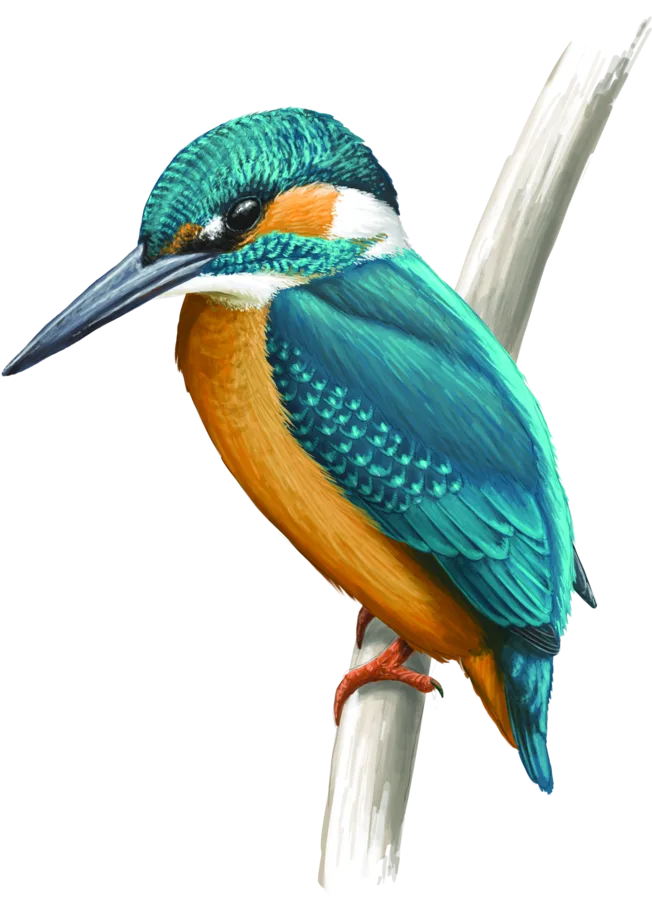 Cornflower
Alcedo atthis
-
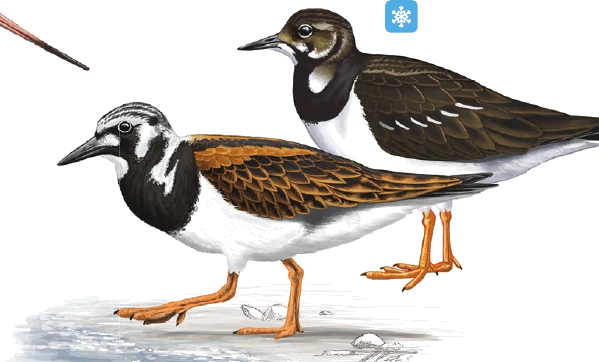 Ruddy turnstone
Arenaria interpres
-
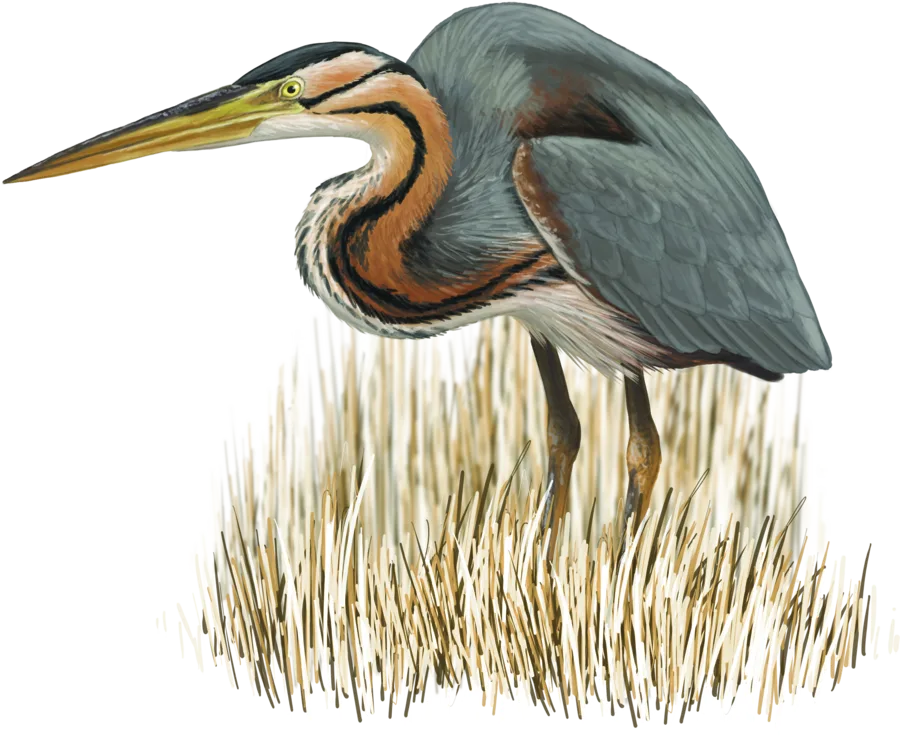 Red heron
Ardea purpurea
-
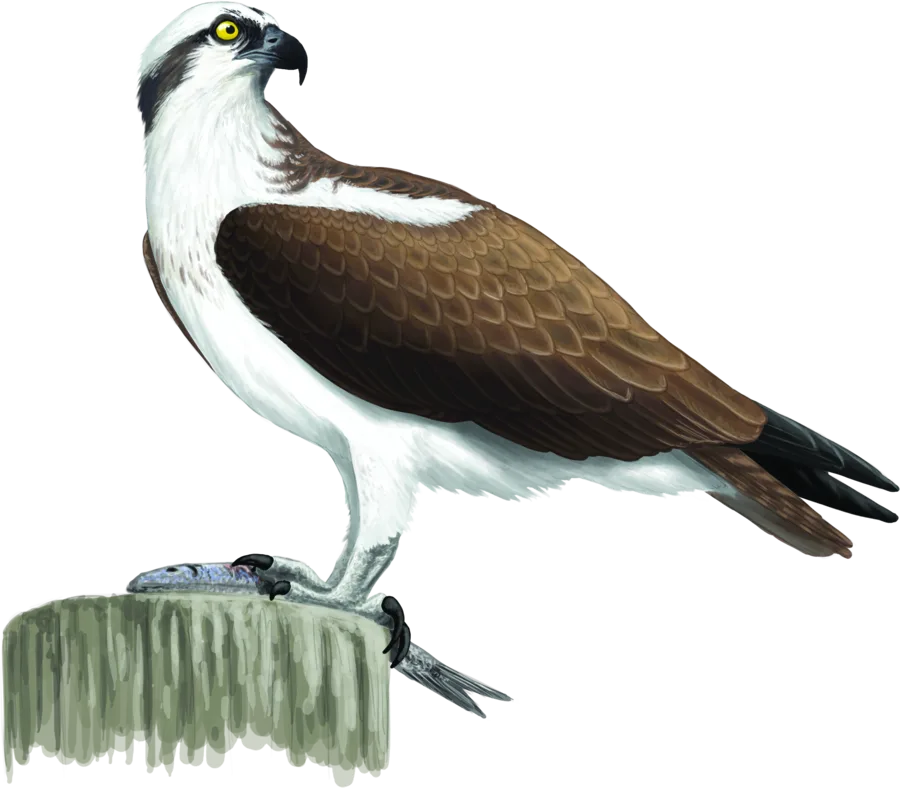 Osprey
Pandion haliaetus
-
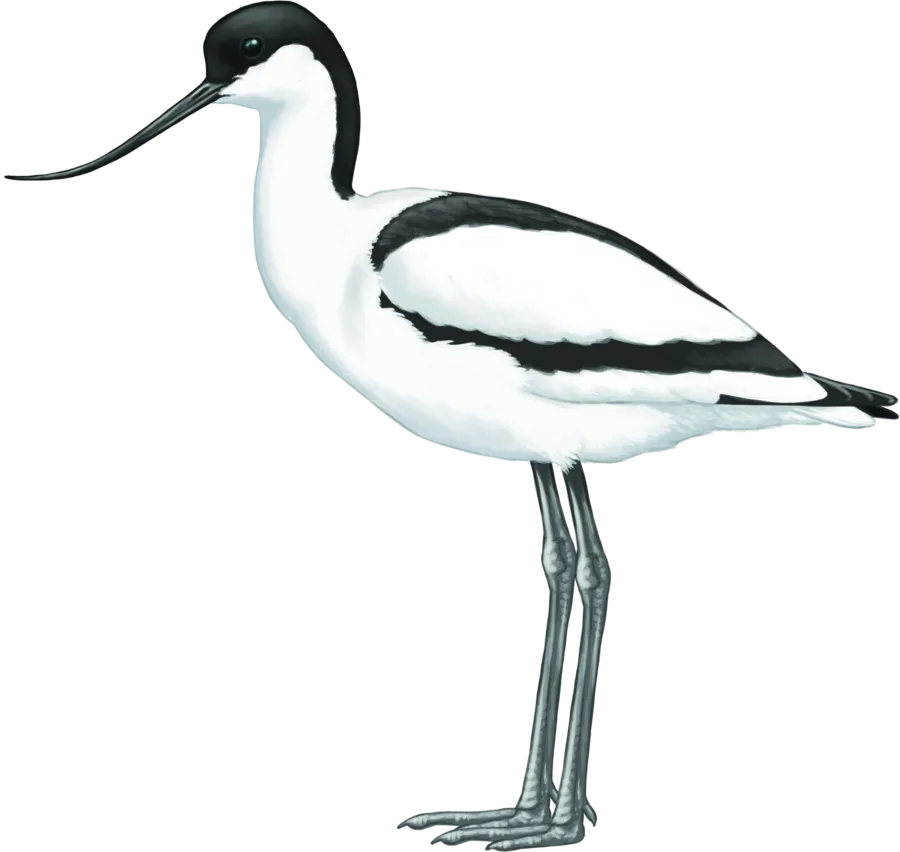 Alena beak
Recurvirostra avosetta
-
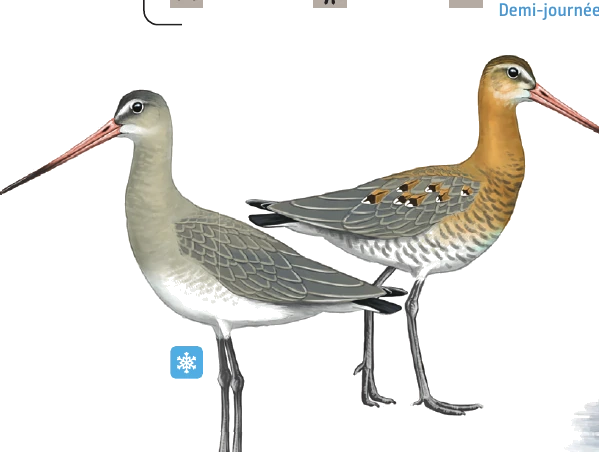 Black-tailed godwit
Limosa limosa
-
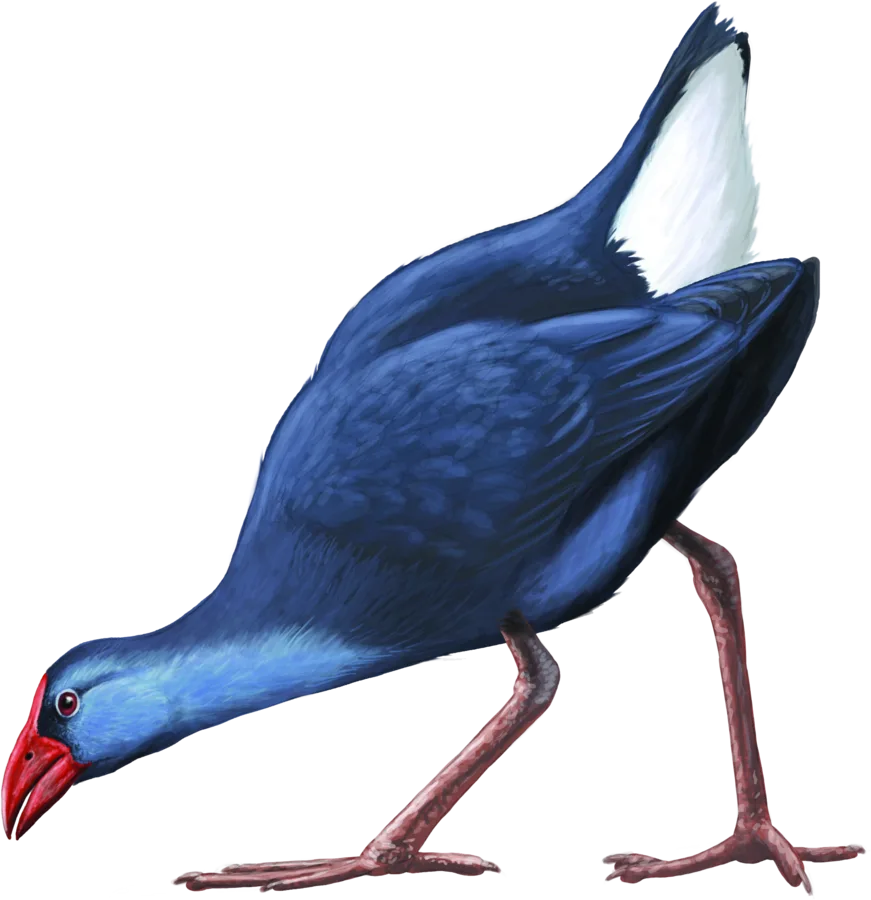 Blue Cock
Porphyrio porphyrio
-
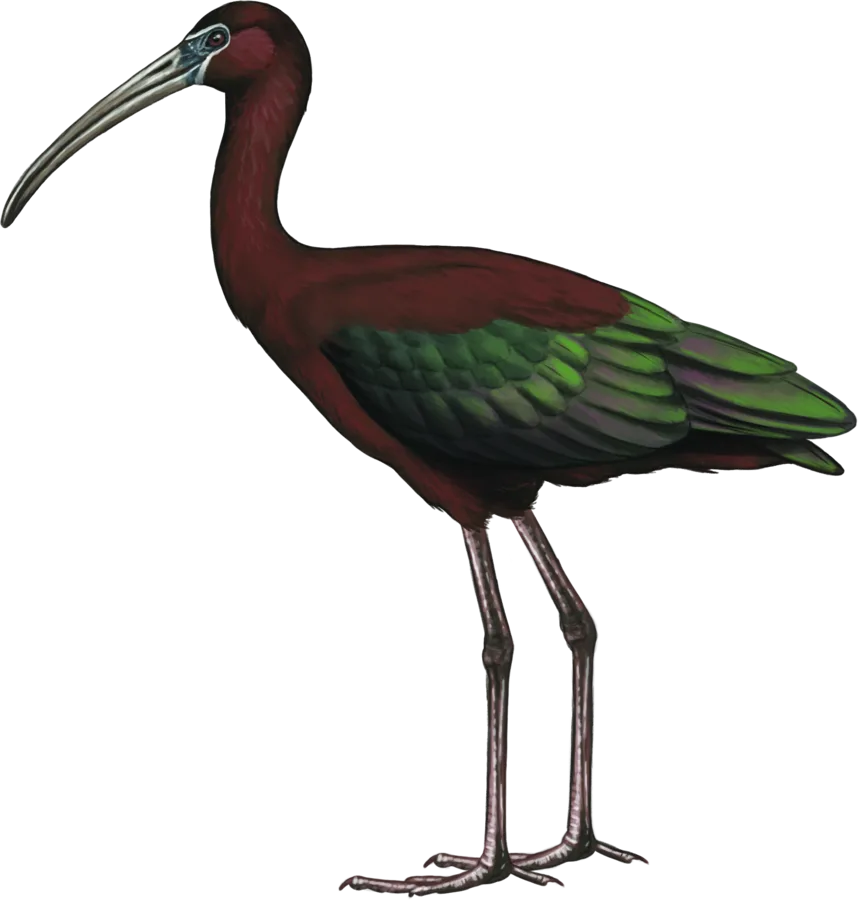 Royal Capon
Plegadis falcinellus
-
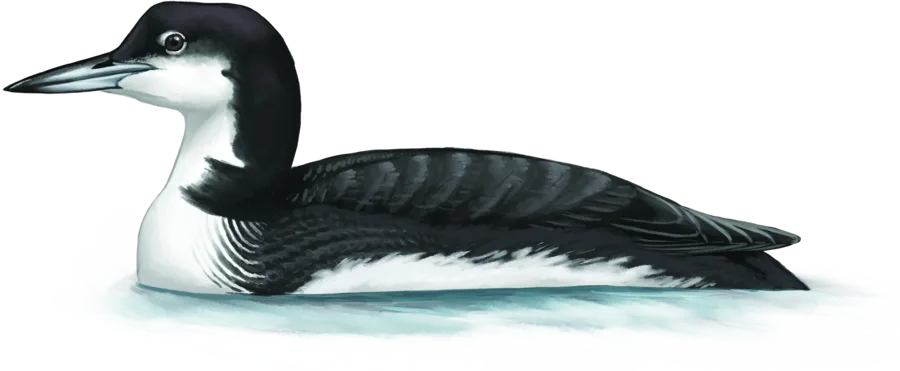 Gross calabria
Gavia immer
-
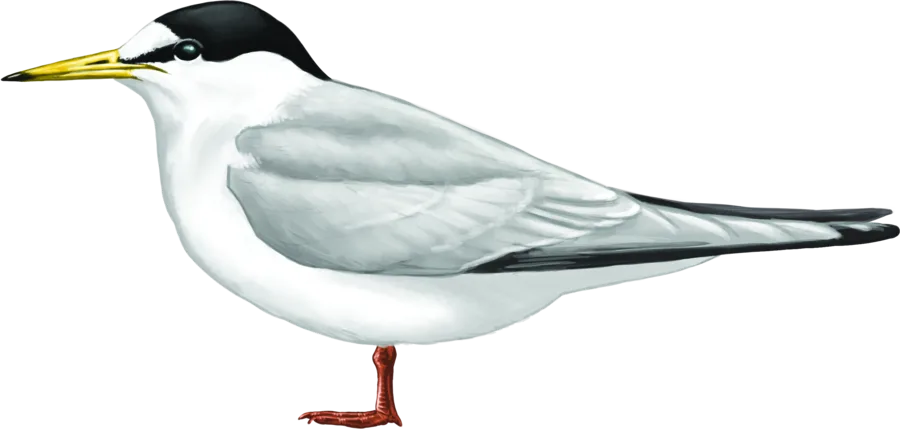 Lesser tern
Sternula albifrons
-
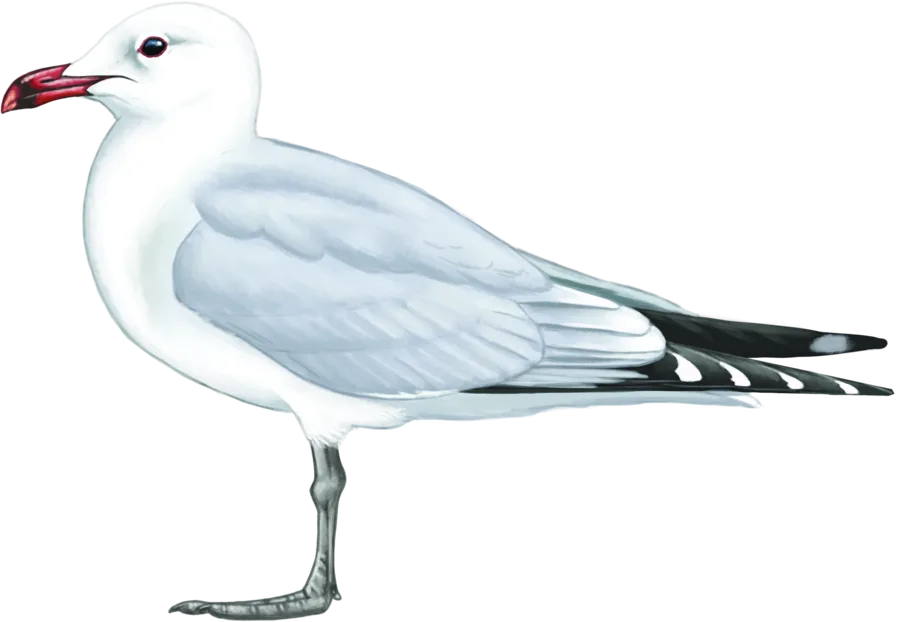 Corsican gull
Larus audouinii
-
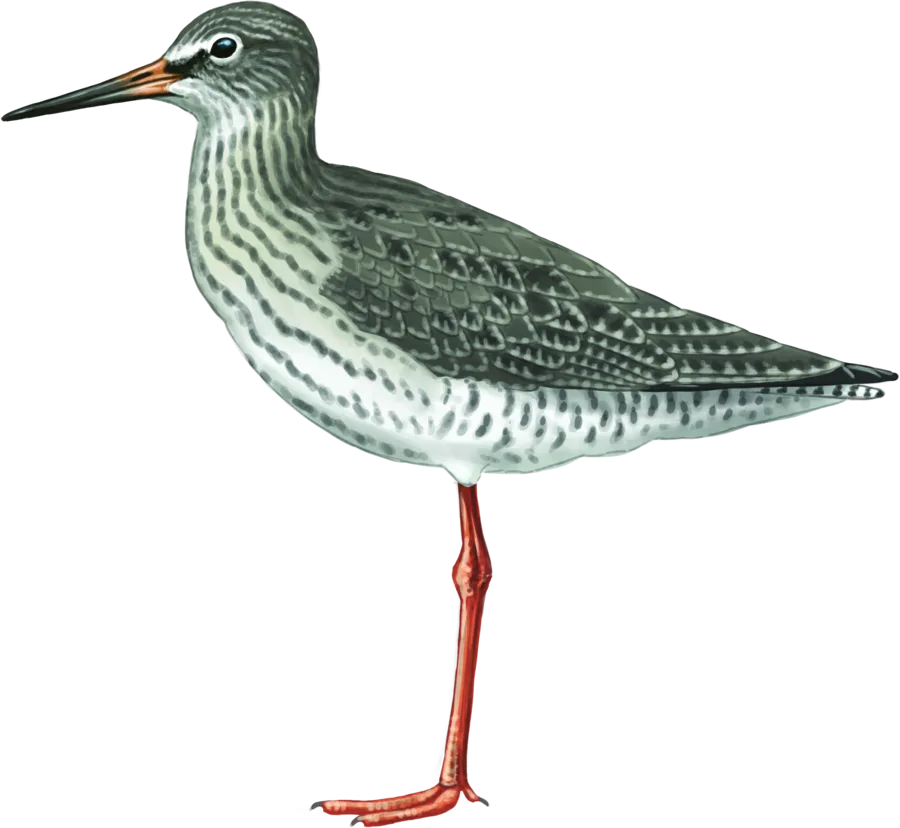 Red prawn
Tringa totanus
-
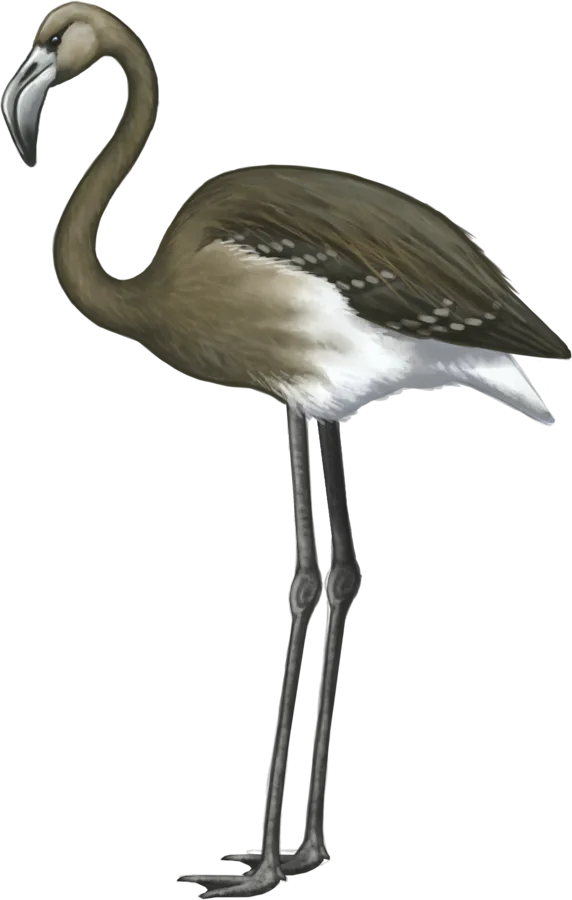 Flamenco
Phoenicopterus roseus
-
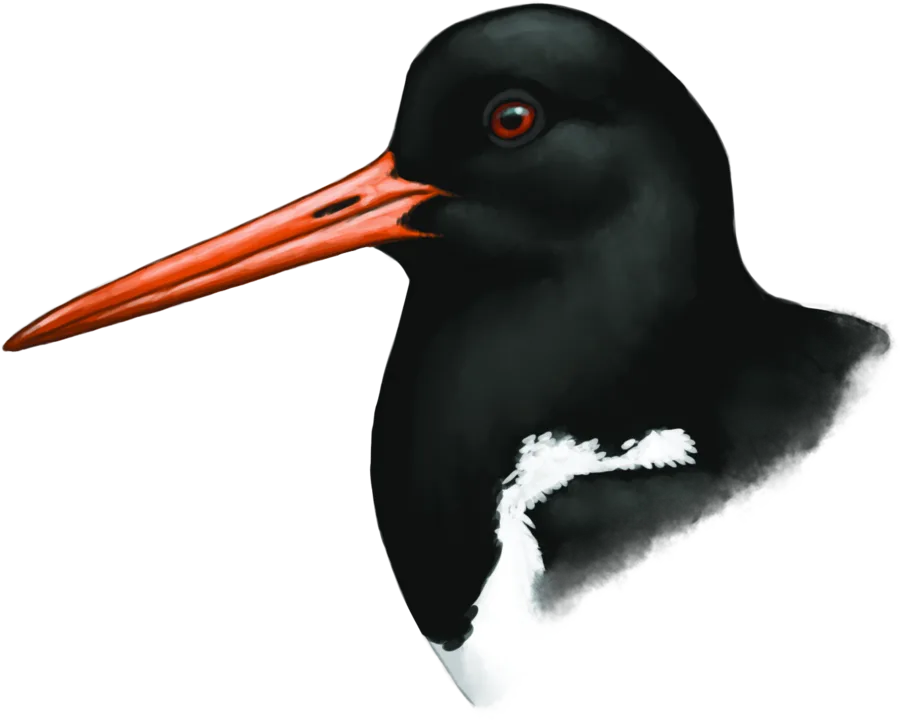 Sea magpie
Haematopus ostralegus
-
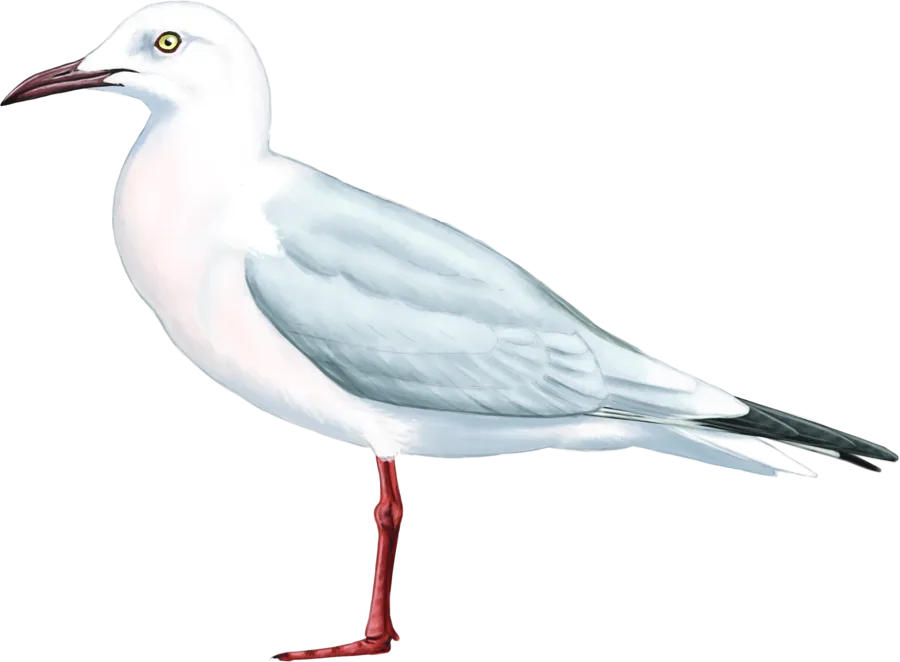 White-headed Gull
Larus genei
-
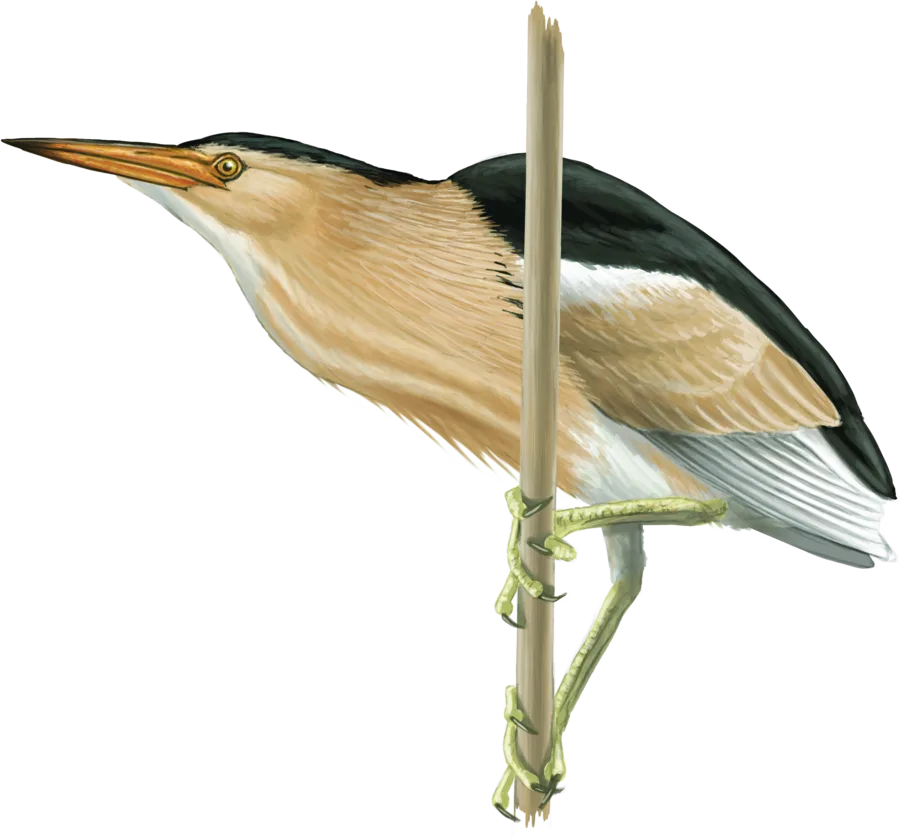 Swift Menu
Ixobrychus minutus